SHE THINKS FoRB

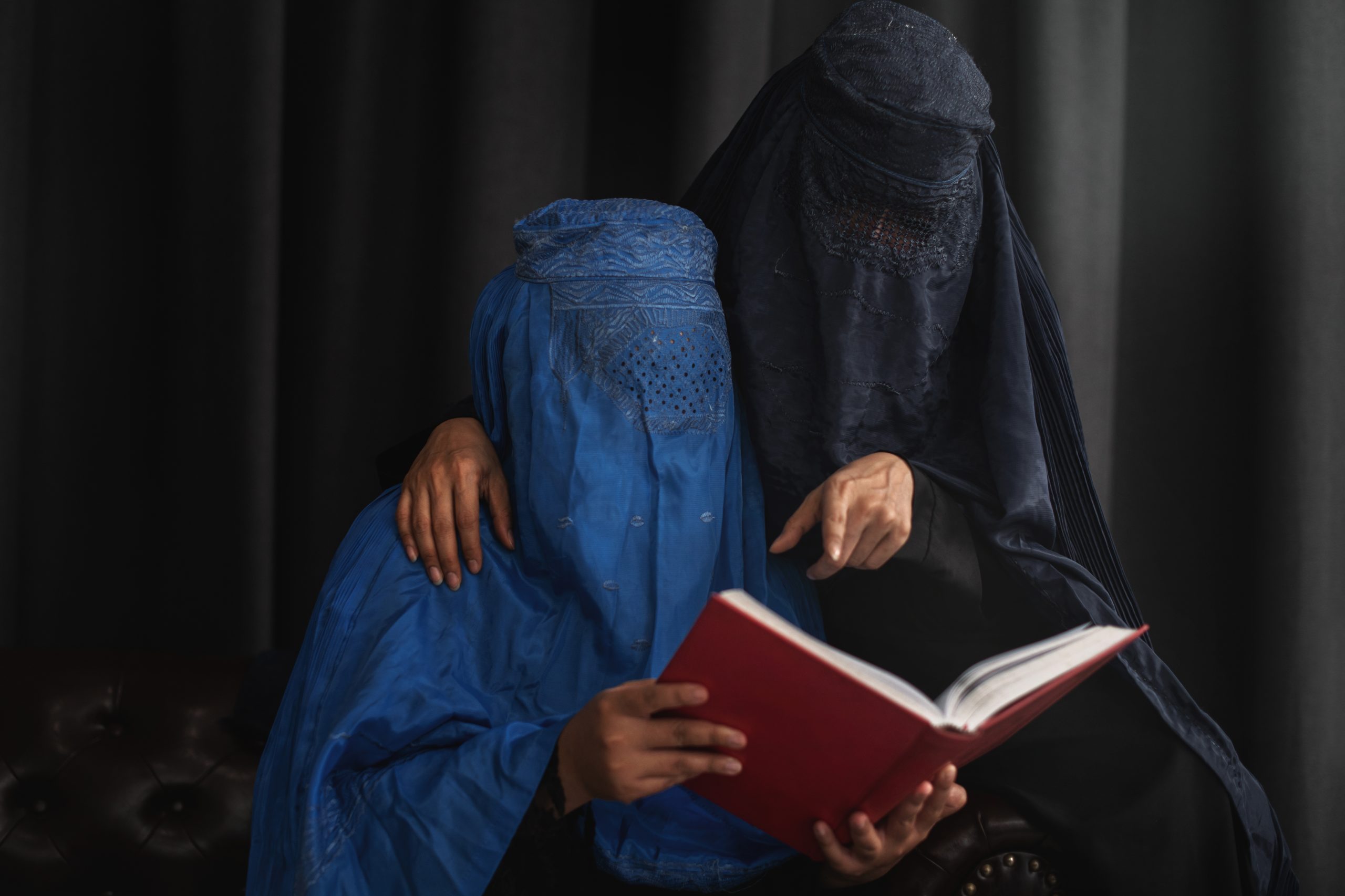
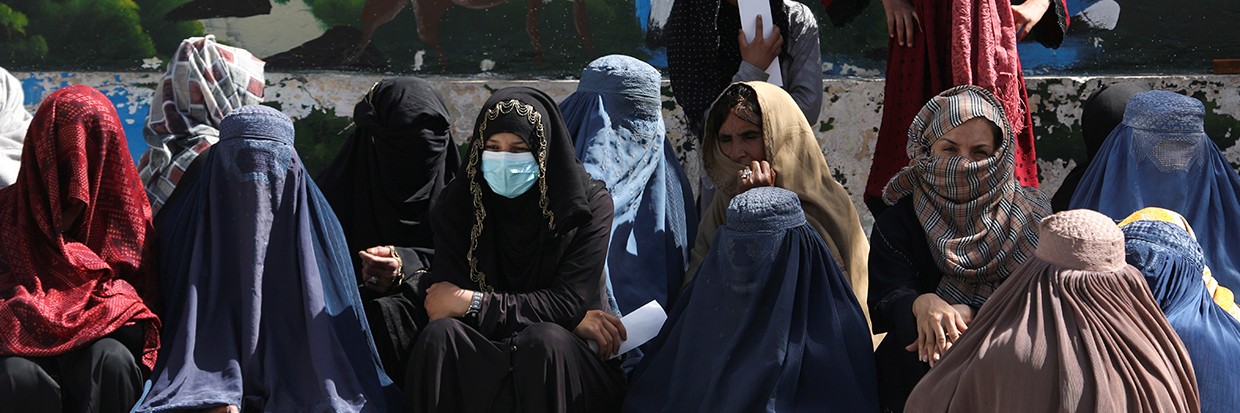
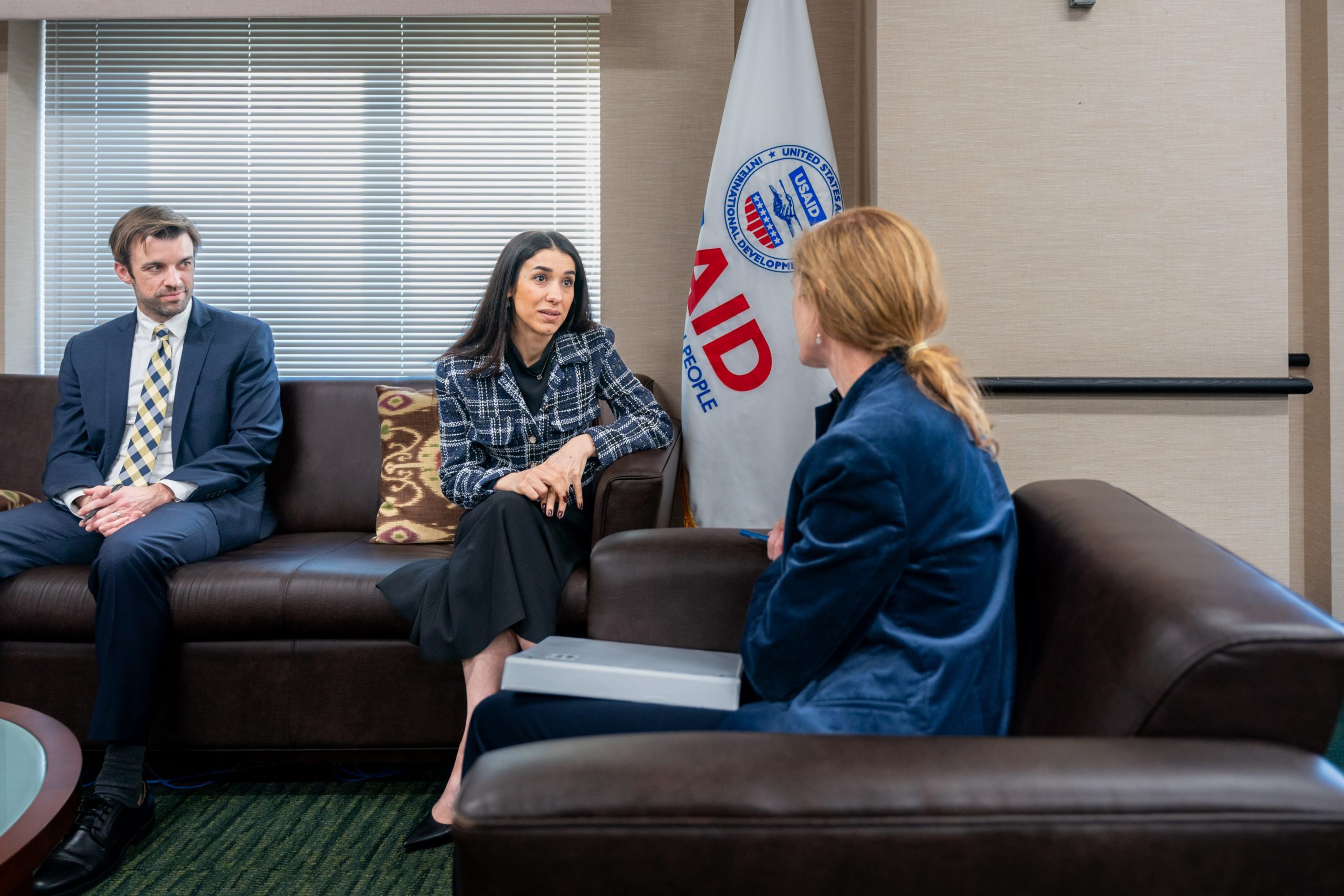
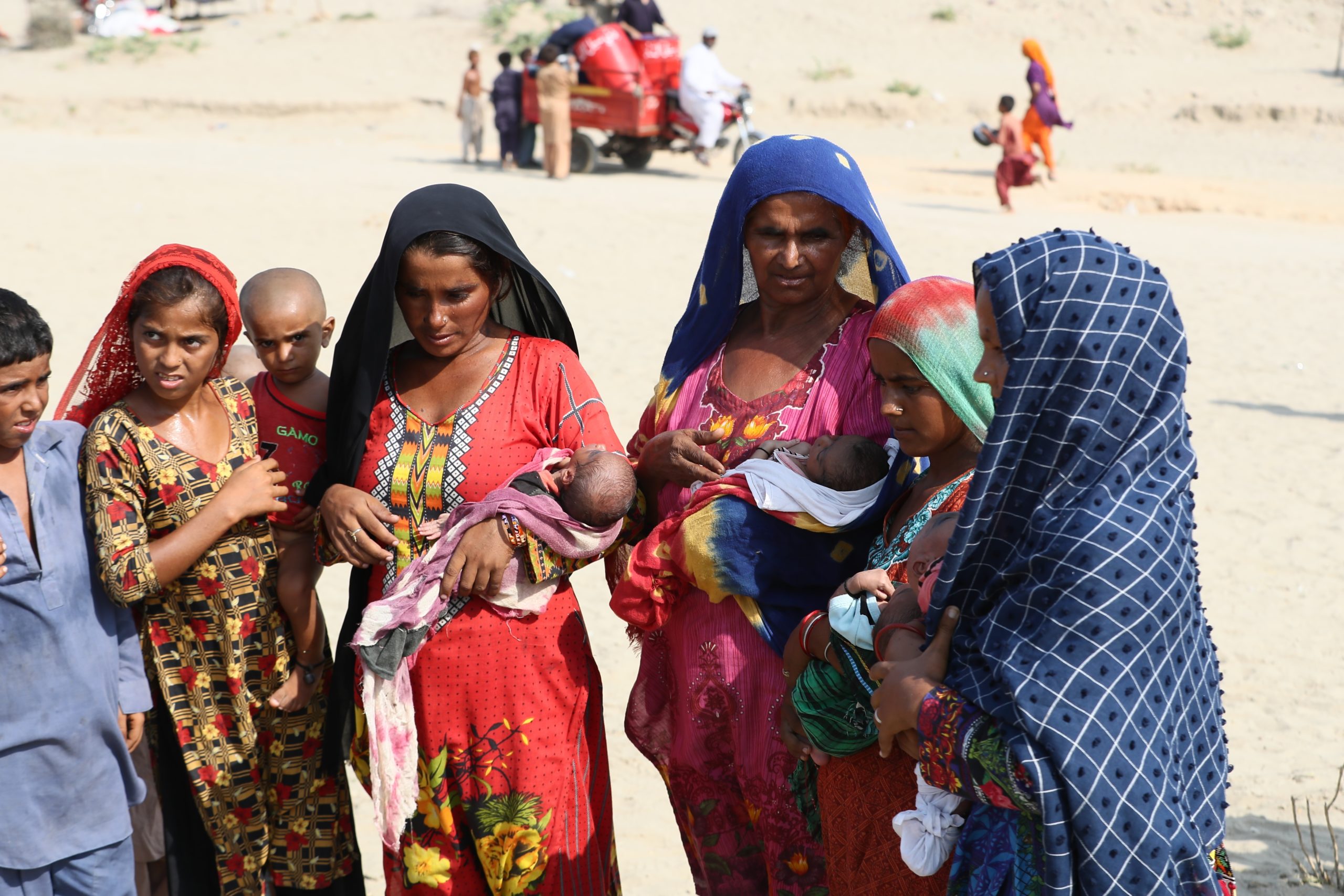
This blog highlights how women are especially vulnerable for FoRB violations, both because of their gender and their beliefs. 

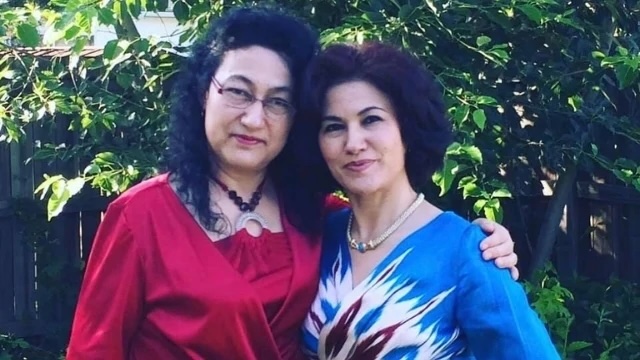
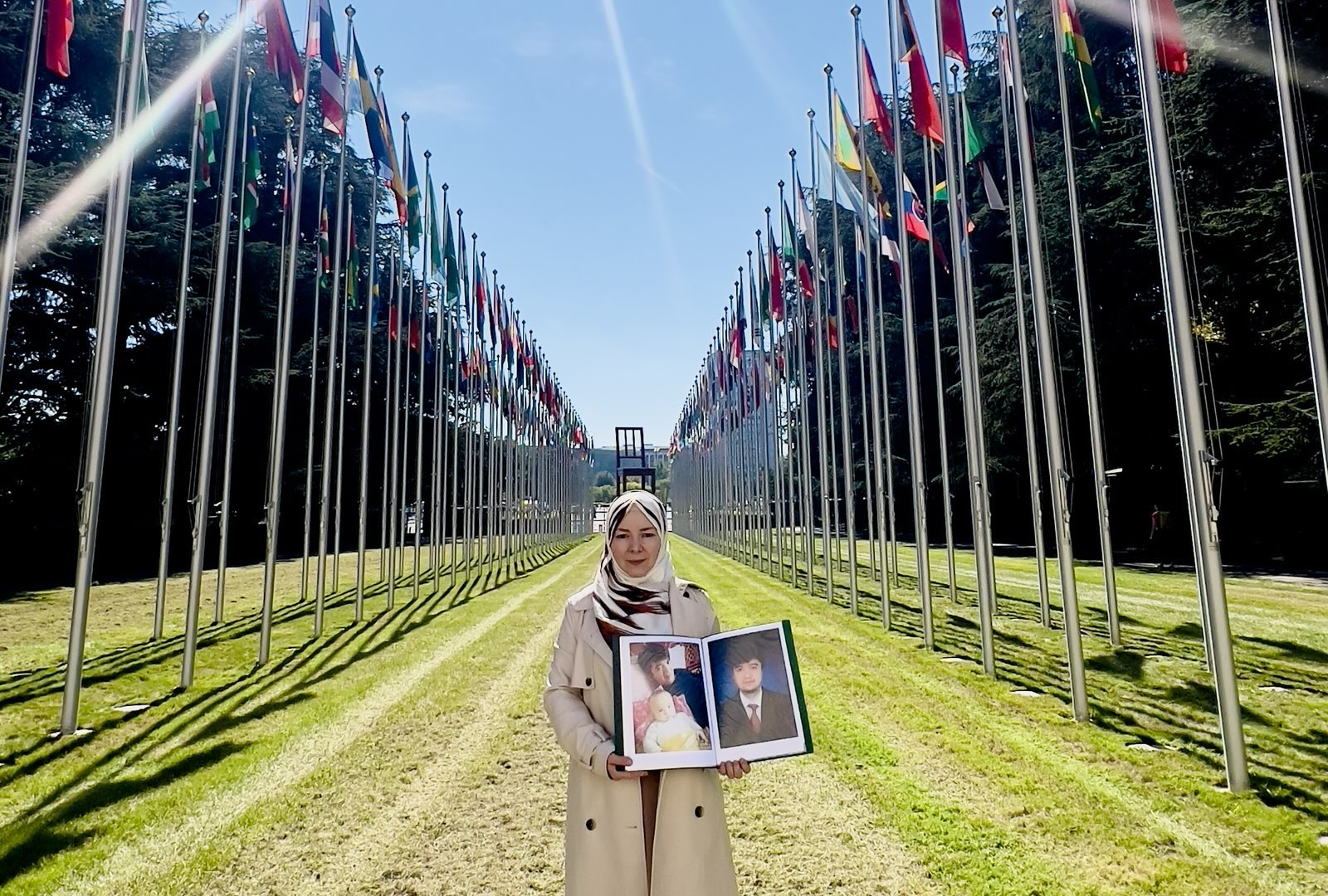
Uyghur Women on Solutions to Violations of Freedom of Religion or Belief

Across continents, Uyghur women are carrying the weight of survival, advocacy, and hope in the face of the Chinese government’s campaign of persecution and repression. They are scholars, organizers, mothers, and leaders who have turned personal loss and exile into collective strength. Two such voices—Rizwangul NurMuhammad and Dr. Dilnur Reyhan—offer a window into how Uyghur…

Read more
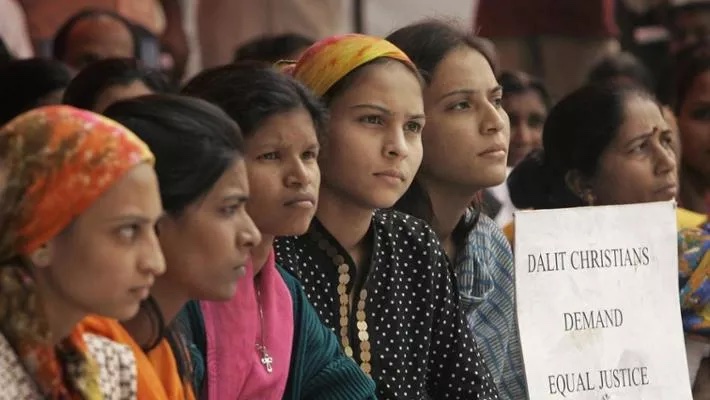

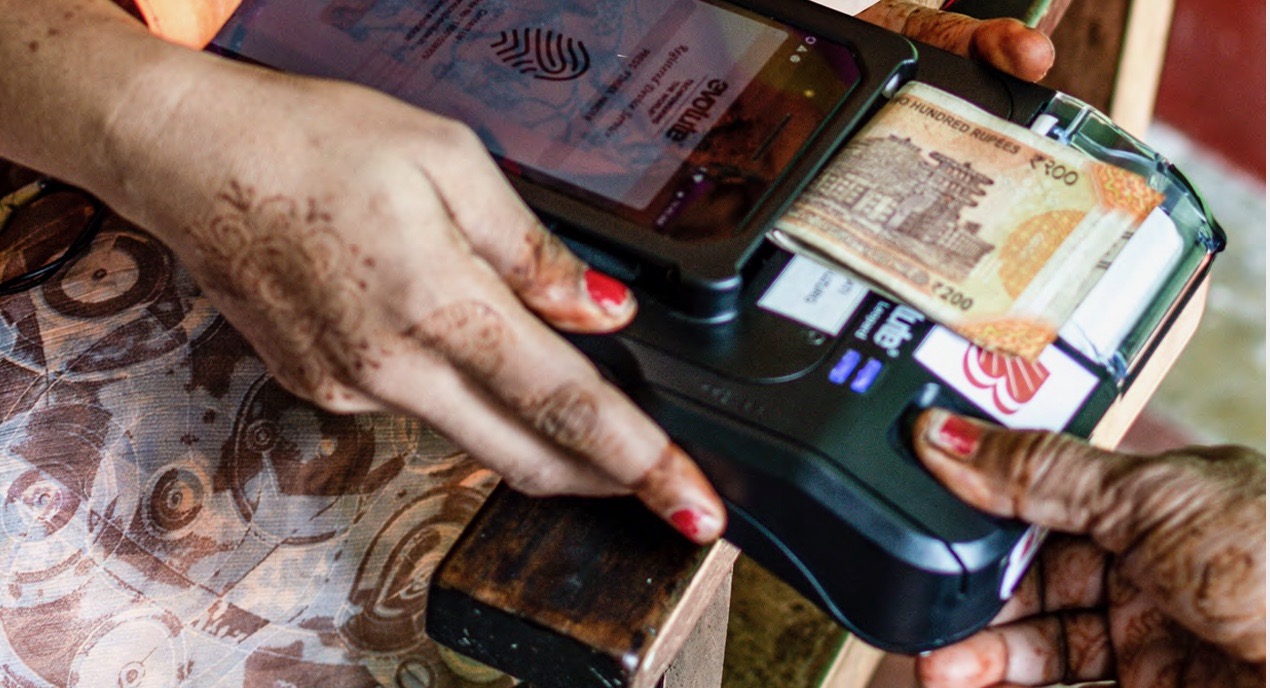
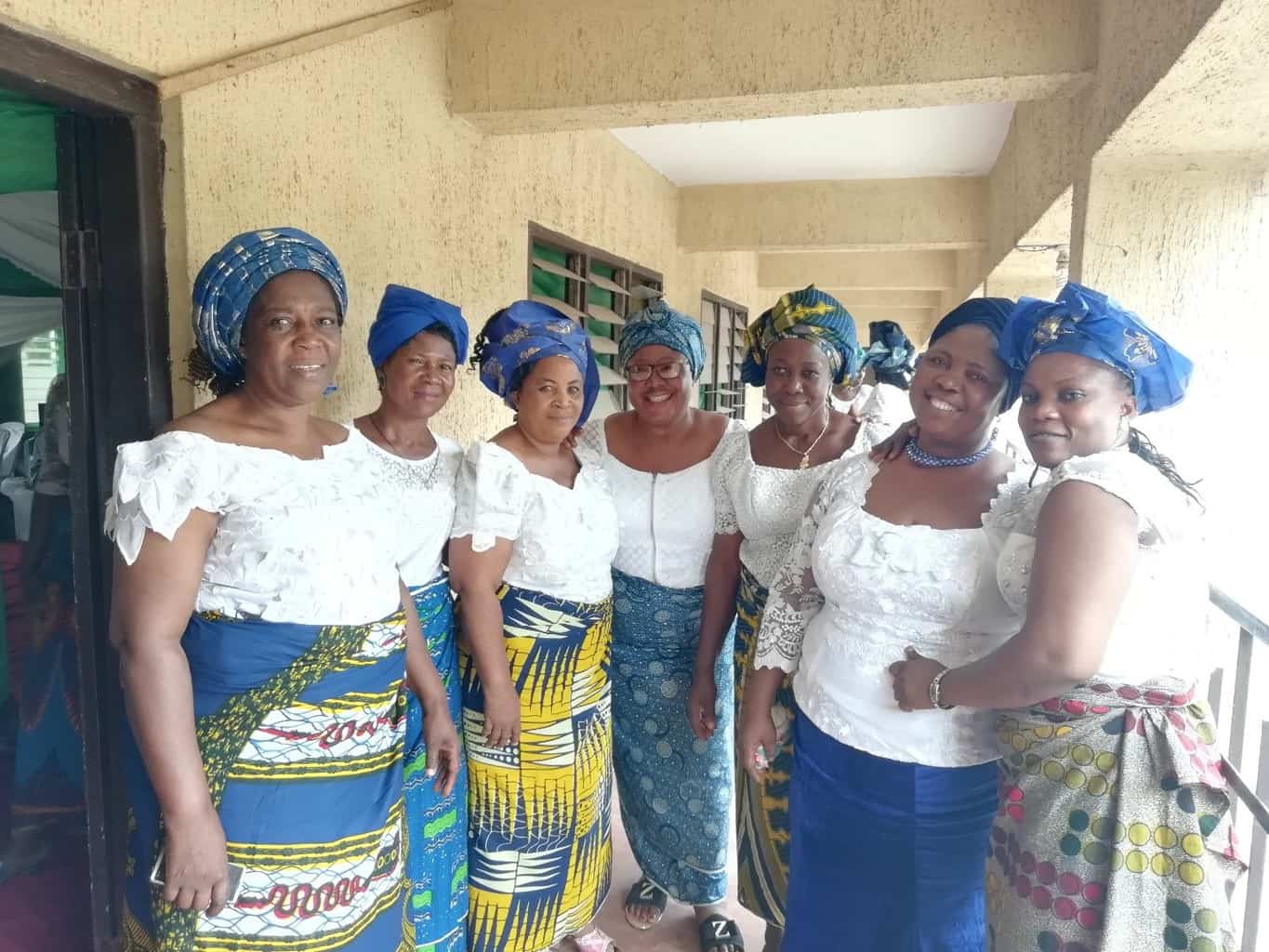
Christian Dalit Women in India: What You Need to Know

Women too often are treated as second-class citizens, especially when they assert themselves as men’s equals. In India, women are portrayed as goddesses, but the reality is vastly different. They often are treated as less than human beings, with violence against them on the increase. According to Frontline Magazine, the National Crime Records Bureau’s (NCRB) annual report…
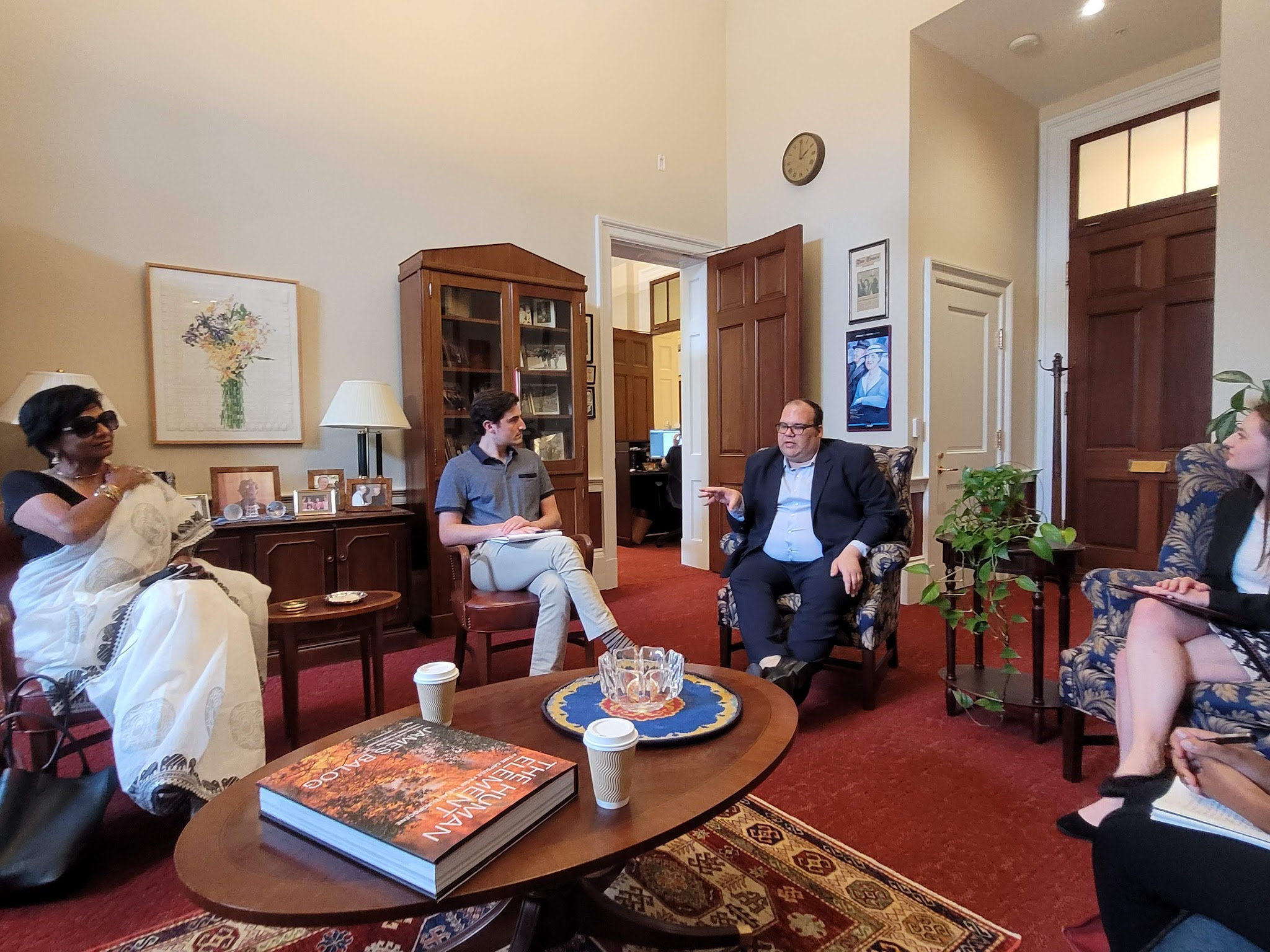
Women in FoRB: Fundraising Challenges and Skills

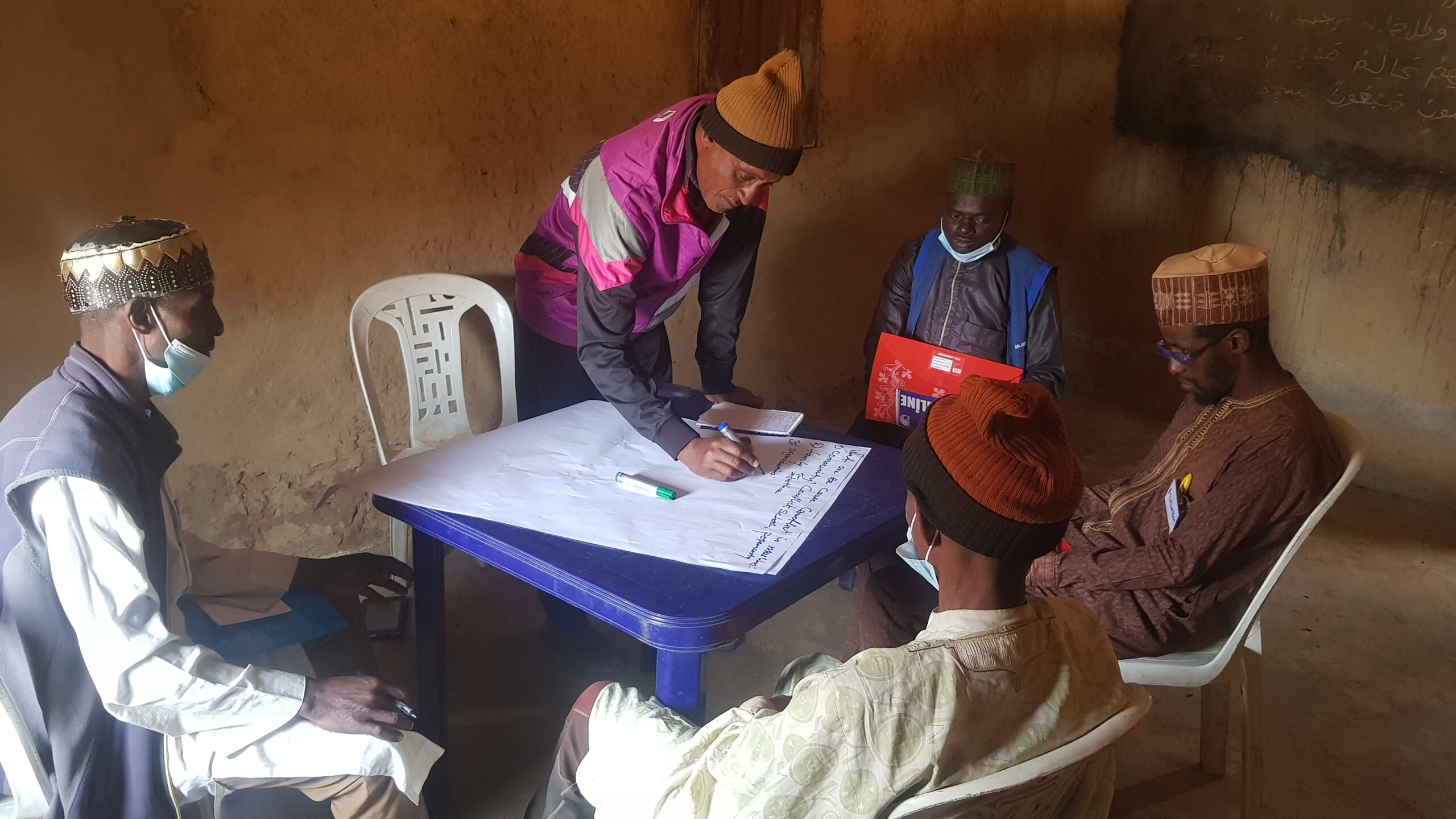
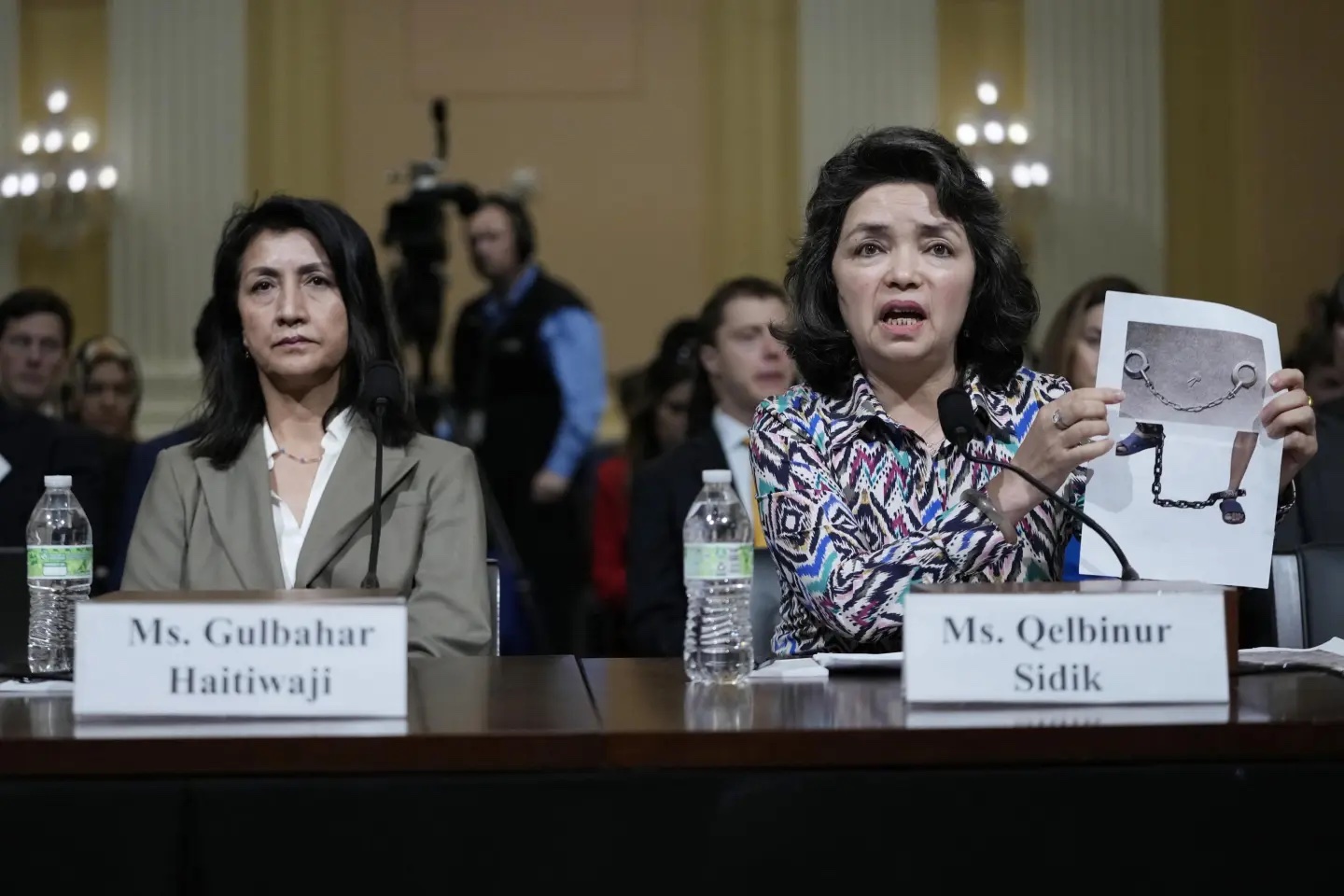
Just as women face unique challenges in freedom of religion and belief (FoRB), the projects that seek to address those challenges also face obstacles, not least of which is having sufficient funding to operate. These funding obstacles include:   Funding institutions often are siloed across the overlapping issues central to women and FoRB and may…

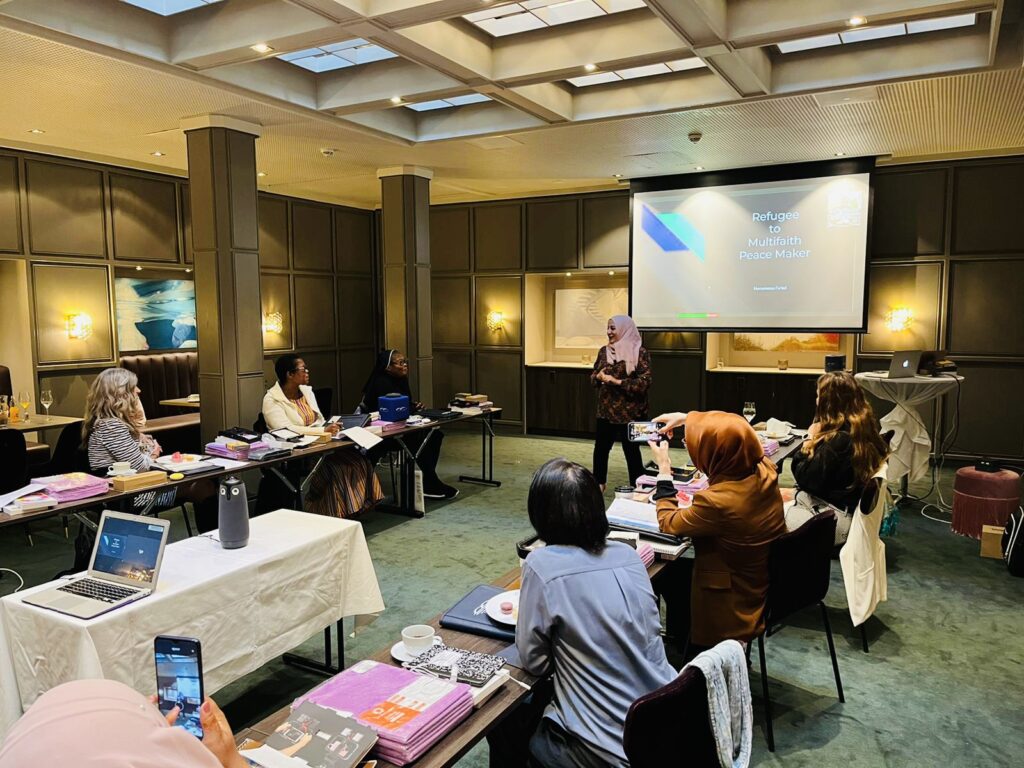
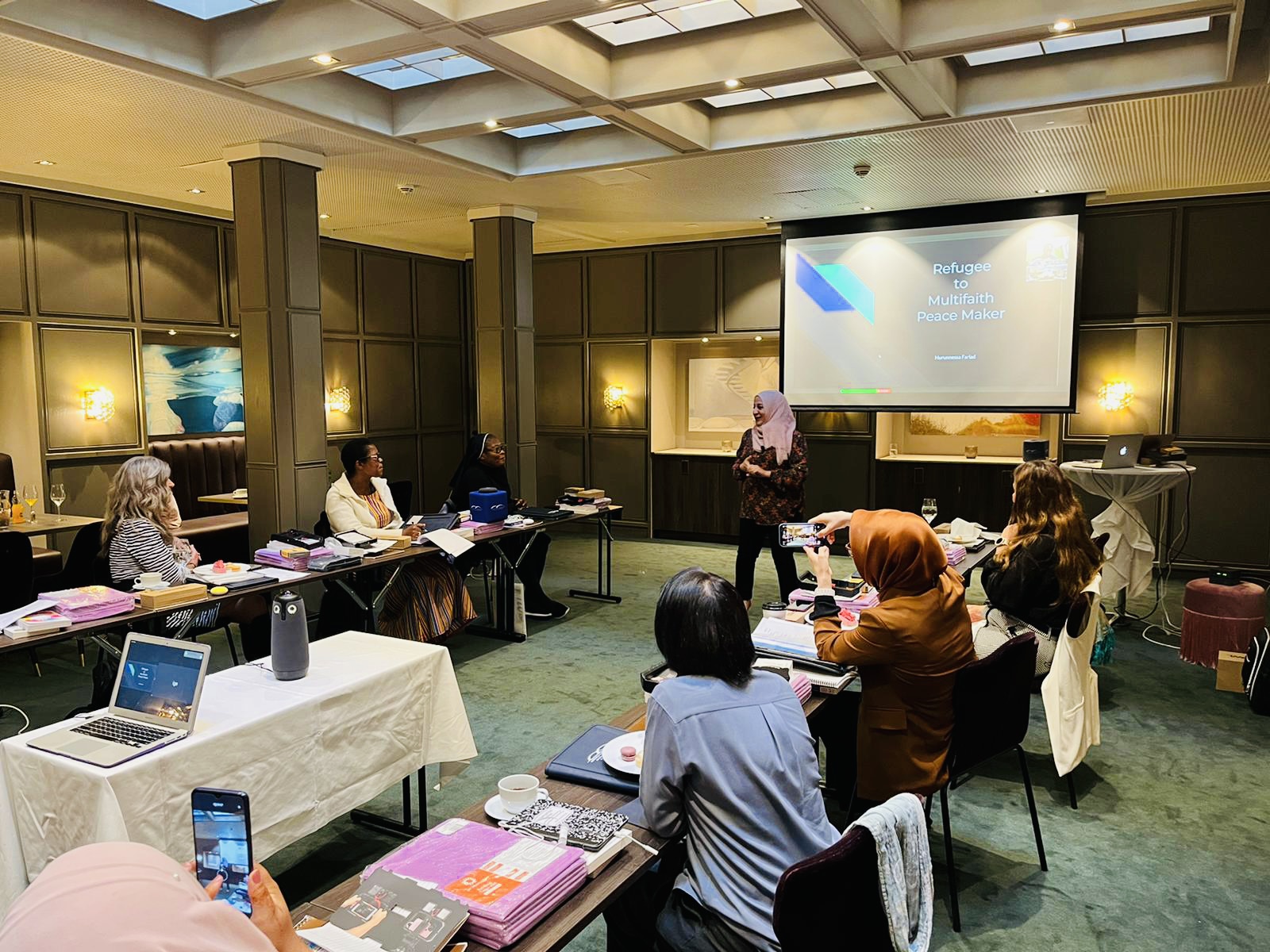
Multi-Faith Peacebuilding and Me

I don’t know how I got into multi-faith peacebuilding, but what I do know is that it chose me. Never in my wildest dreams did I think I would be working in a field where my faith would be front and center. This journey has been extremely rewarding and life-altering for me. When I was…

Accelerating Women in FoRB

Since women account for over half of the world’s population, activists, NGOs, and governments must incorporate gender perspectives when addressing religious freedom violations. Women and girls worldwide face violations of their religious freedom or belief (FoRB). They confront these violations as mothers, wives, family members, workers, organizational leaders, civic leaders, advocates, and volunteers who serve…

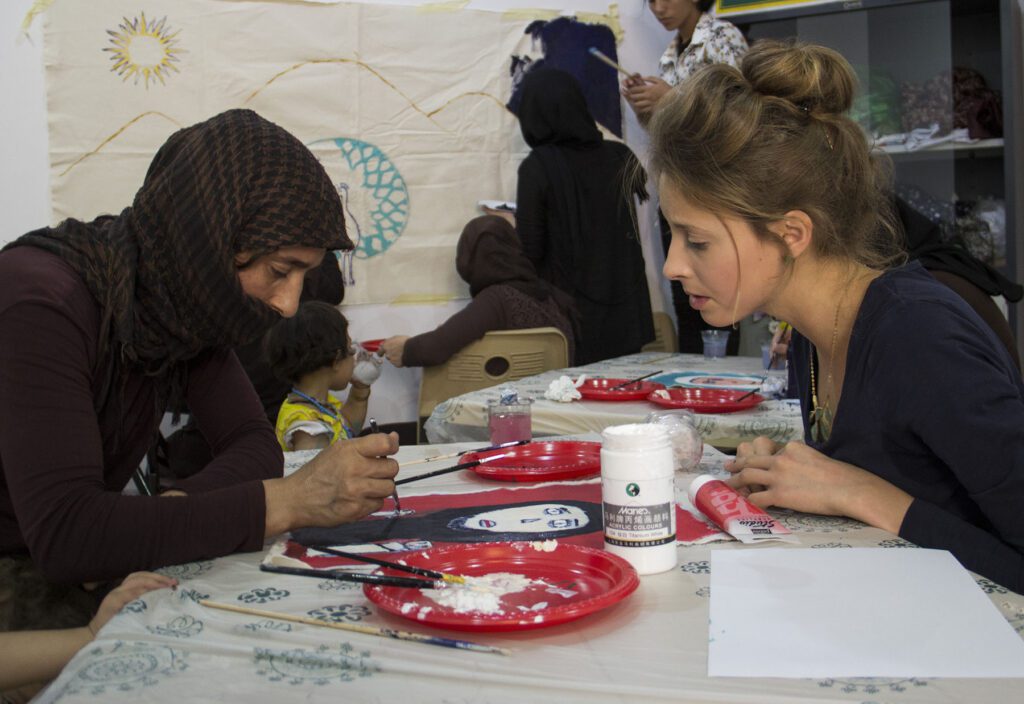
Tears of Gold: Portraits of Yazidi, Rohingya, and Nigerian Women

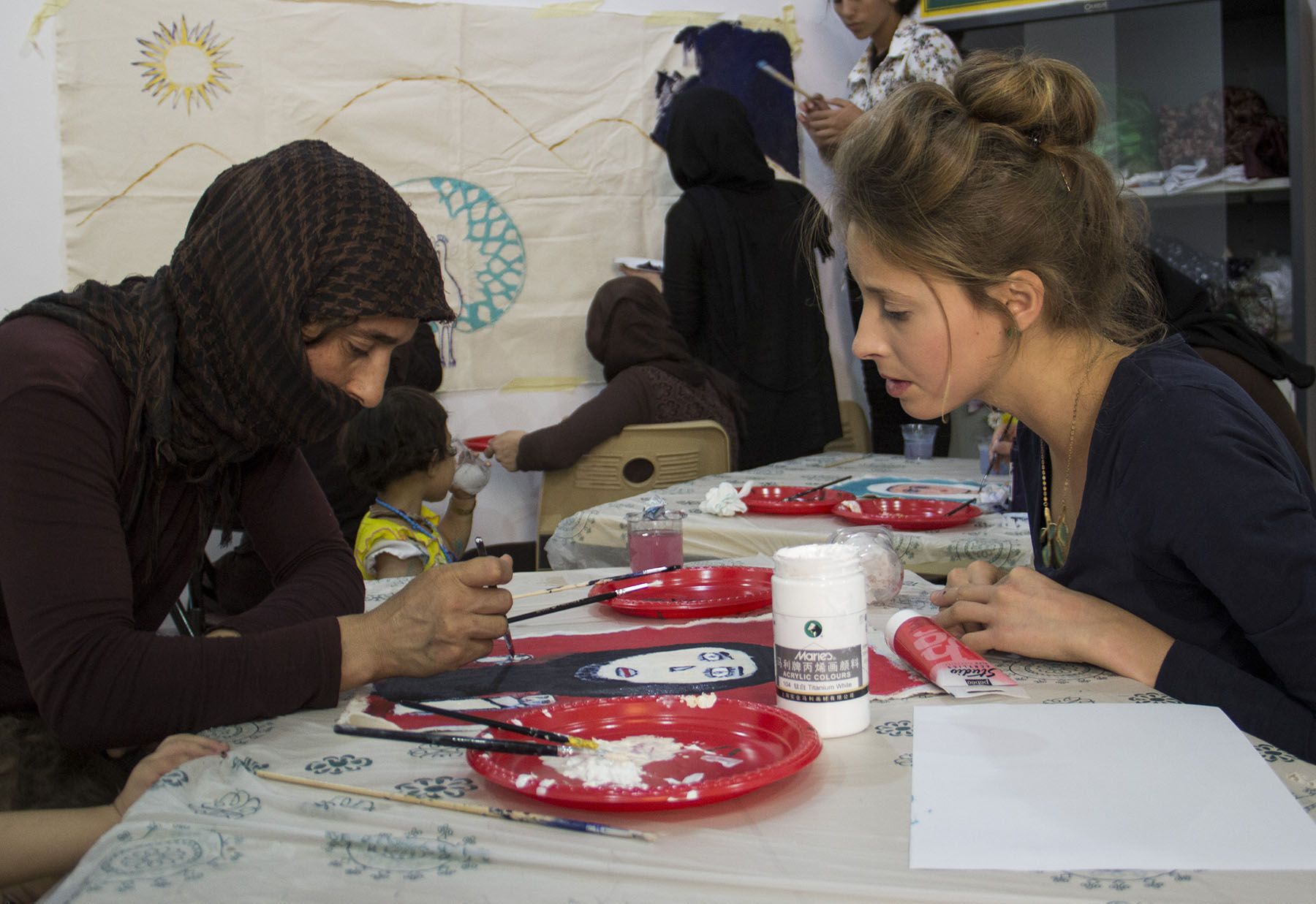
FoRB Women’s Alliance will note the publication of books from time to time that focus on issues relevant to women and FoRB. Tears of Gold by Hannah Rose Thomas, a British artist and human rights activist, will be published in February 2024 with publisher profits donated to relevant charities. Tears of Gold features Thomas’ portraits…

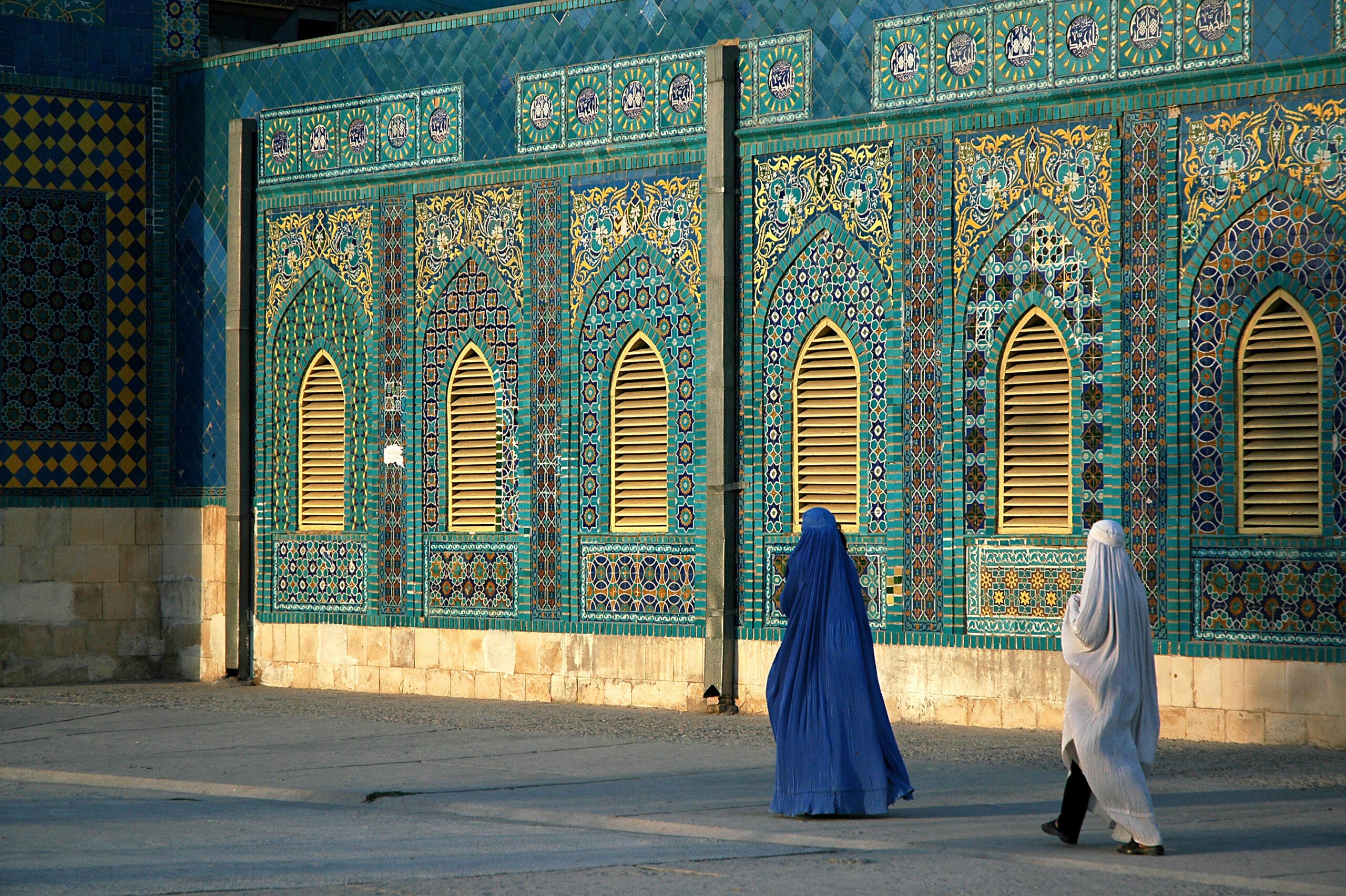
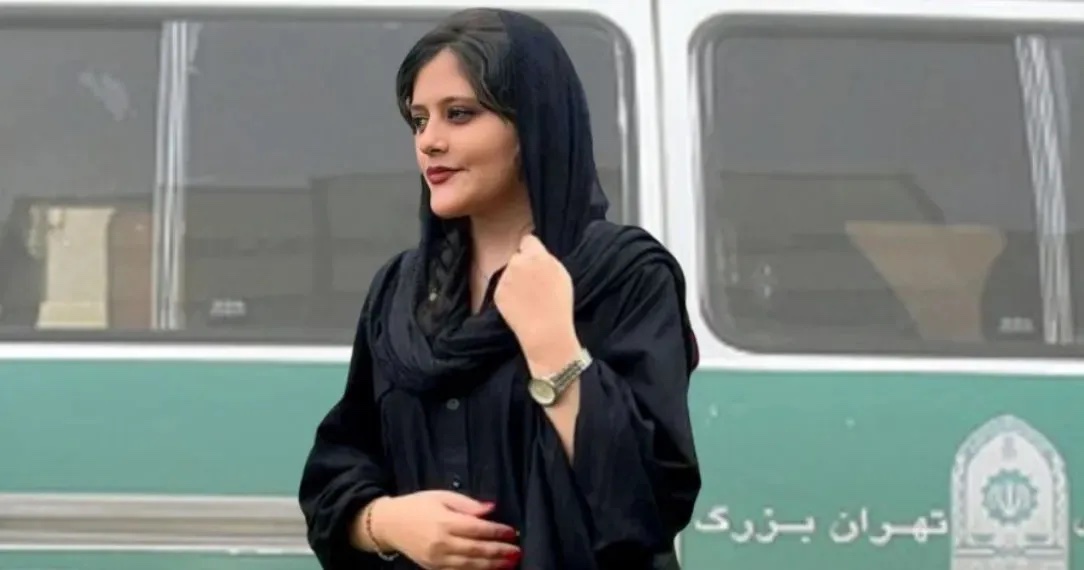
Iran’s New Hijab Law Further Restricts Religious Freedom for Women

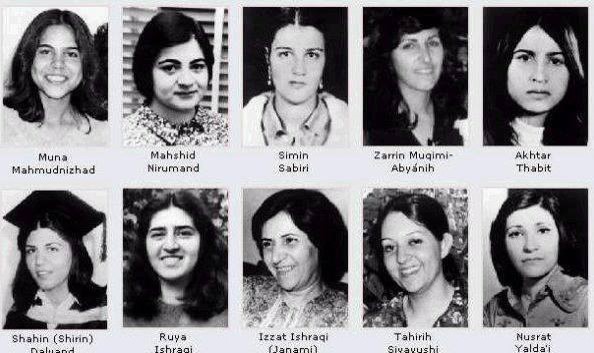
In September 2023, Iran’s parliament (majlis) passed the Bill to Protect the Family by Promoting the Culture of Chastity and Hijab. This new law gives Iran’s government greater legal authority for its repression by expanding the scope of explicitly forbidden religious practice and expression. As a result of this new law, Iranians – particularly women…

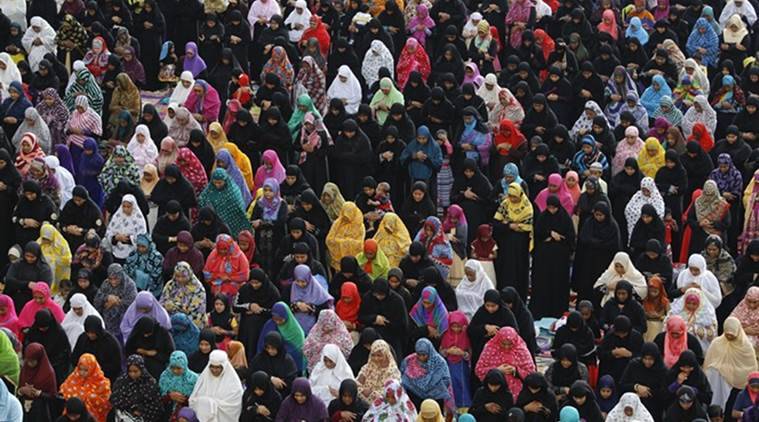
Ahmadi Muslim Women: In Struggle and Serenity

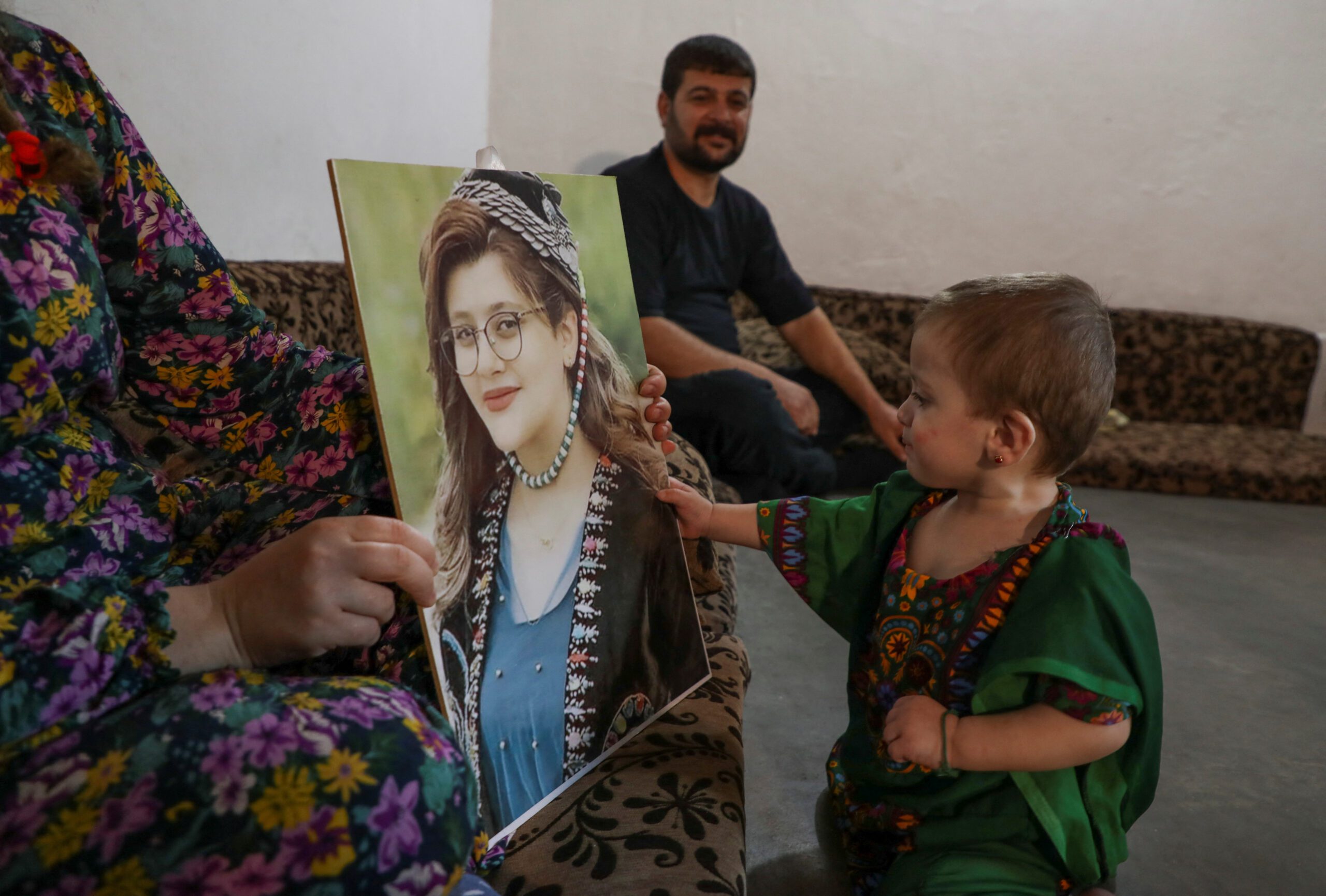
In September 2022, Muhammad Naeem Chatta Qadri urged a raucous crowd gathered in a small town in Punjab, Pakistan to kill all pregnant Ahmadi Muslim women and make sure that no new Ahmadis are born. Qadri, who belongs to the far-right extremist political party Tehreek-e-Labaik, also had proclaimed that any newborn Ahmadi “insolents” would not…

FoRB for everyone: Women in Focus – Reflections and Lessons Learned

Only a few years ago, little information was available about how freedom of religion or belief (FoRB) and women’s equality relate to each other. Many assumed that the two rights were contradictory, if not antagonistic. The information about their intersection that did exist largely was found in academic and policy publications and usually focused on…

The Women of Artsakh Today

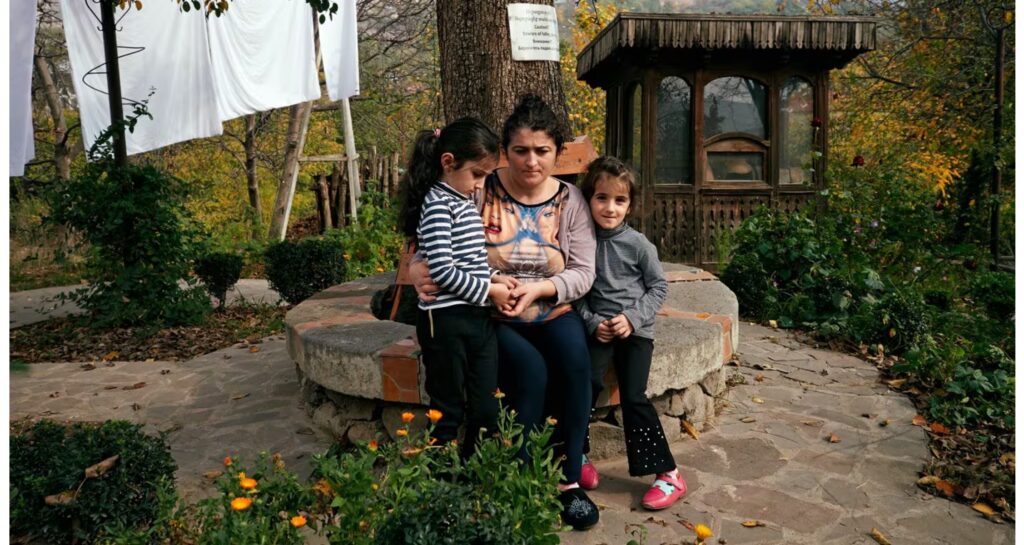
For over 30 years, Artsakh women have survived fierce territorial wars for the right to self-determination and to maintain their Christian and Armenian identities. With husbands and sons defending their territory amidst the first Artsakh war, a shift in traditional gender identity began, making women household heads, breadwinners, caretakers of families, and property defenders. With…

Artsakh Women Demand a Safe Future for their Families and Community

The indigenous Christian Armenian population cherishes the small South Caucasus enclave of Nagorno-Karabakh which they know as Artsakh. Because Armenians were the first nation to accept Christianity as their state religion in 301 AD, Artsakh’s picturesque, rugged terrain of mountains, rich natural beauty, and breathtaking valleys are dotted with centuries-old Christian Armenian cathedrals and monasteries. Since last…