SHE THINKS FoRB

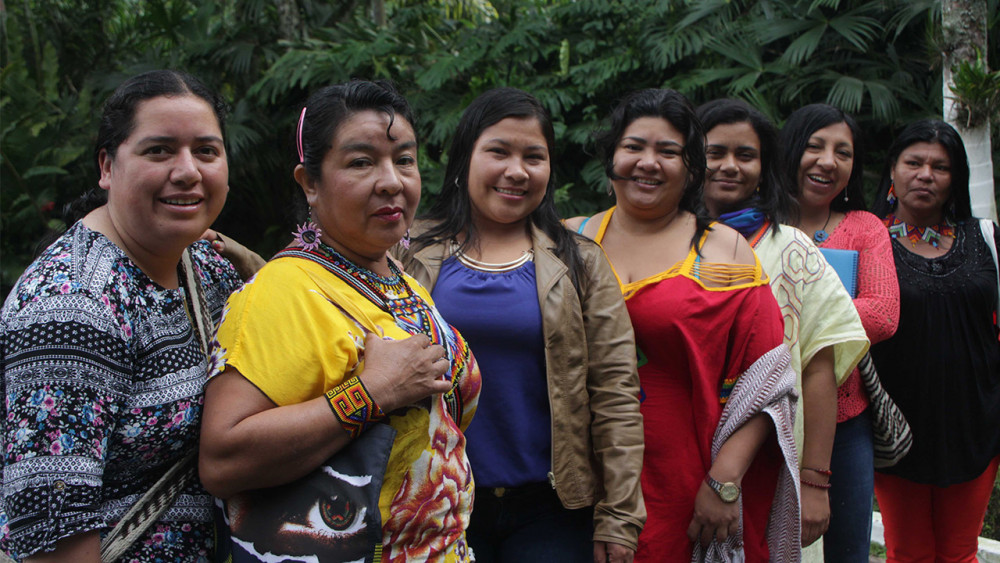
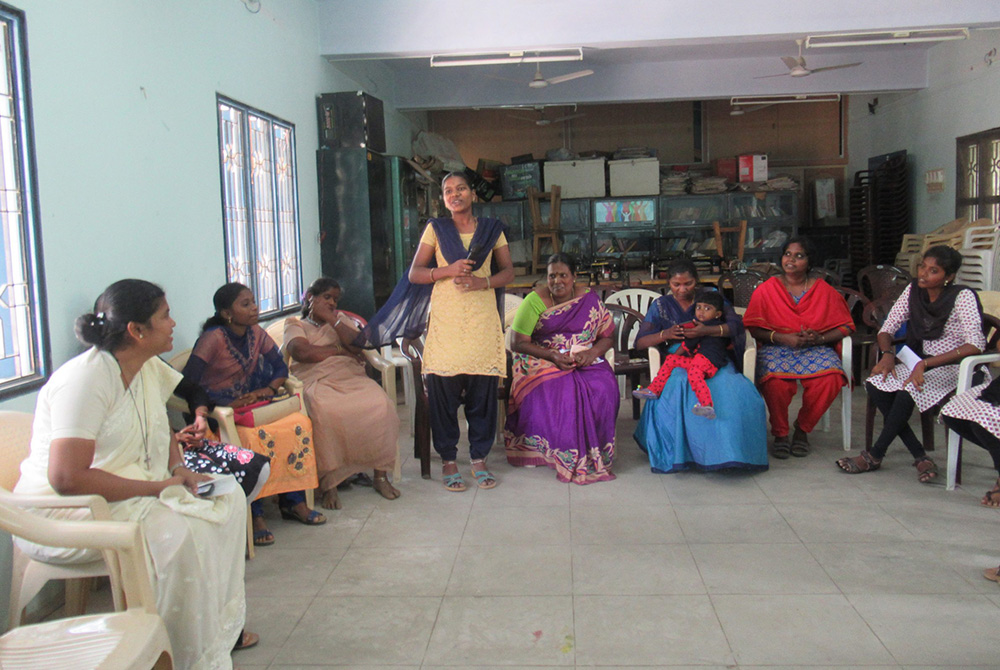
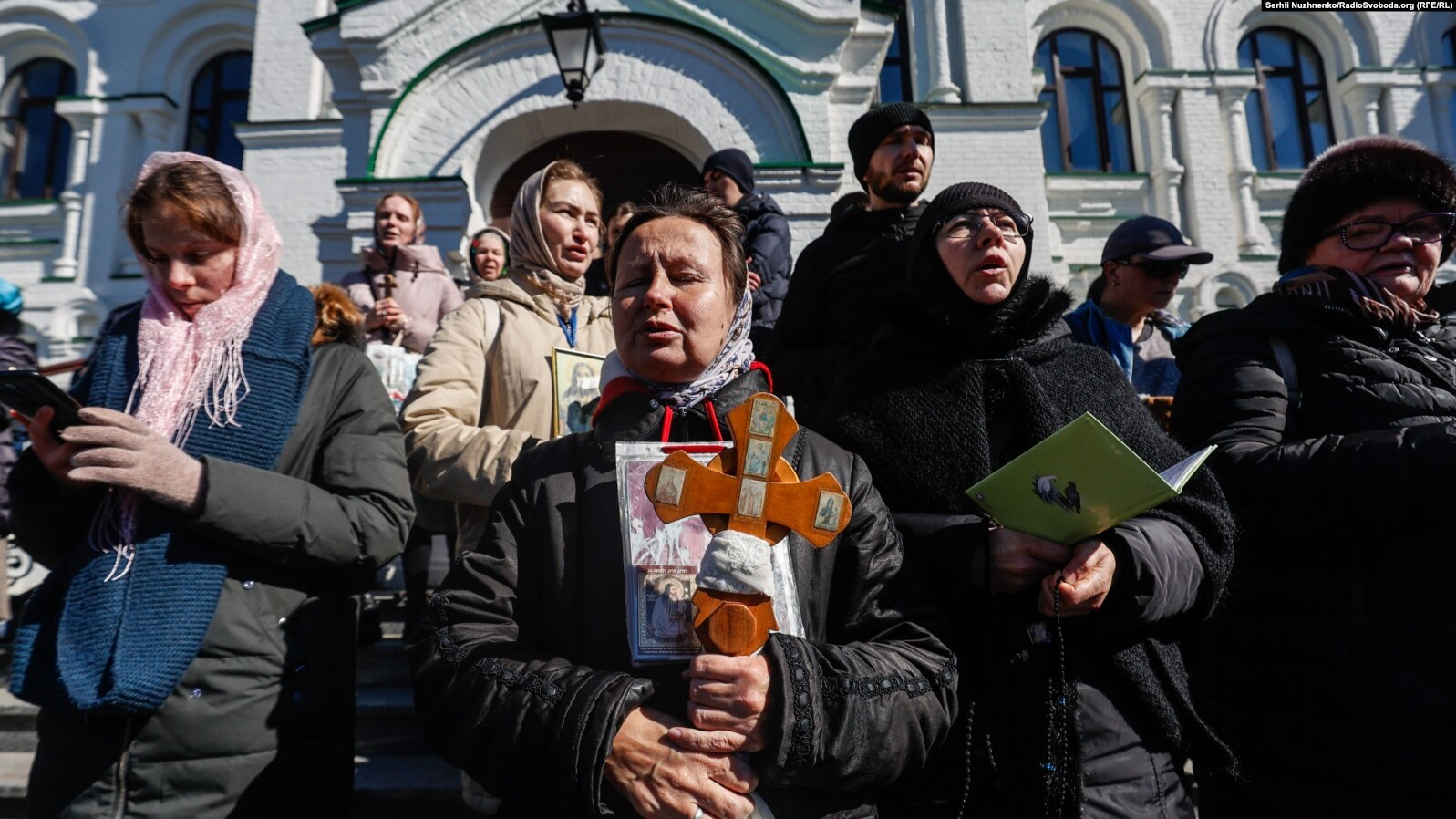
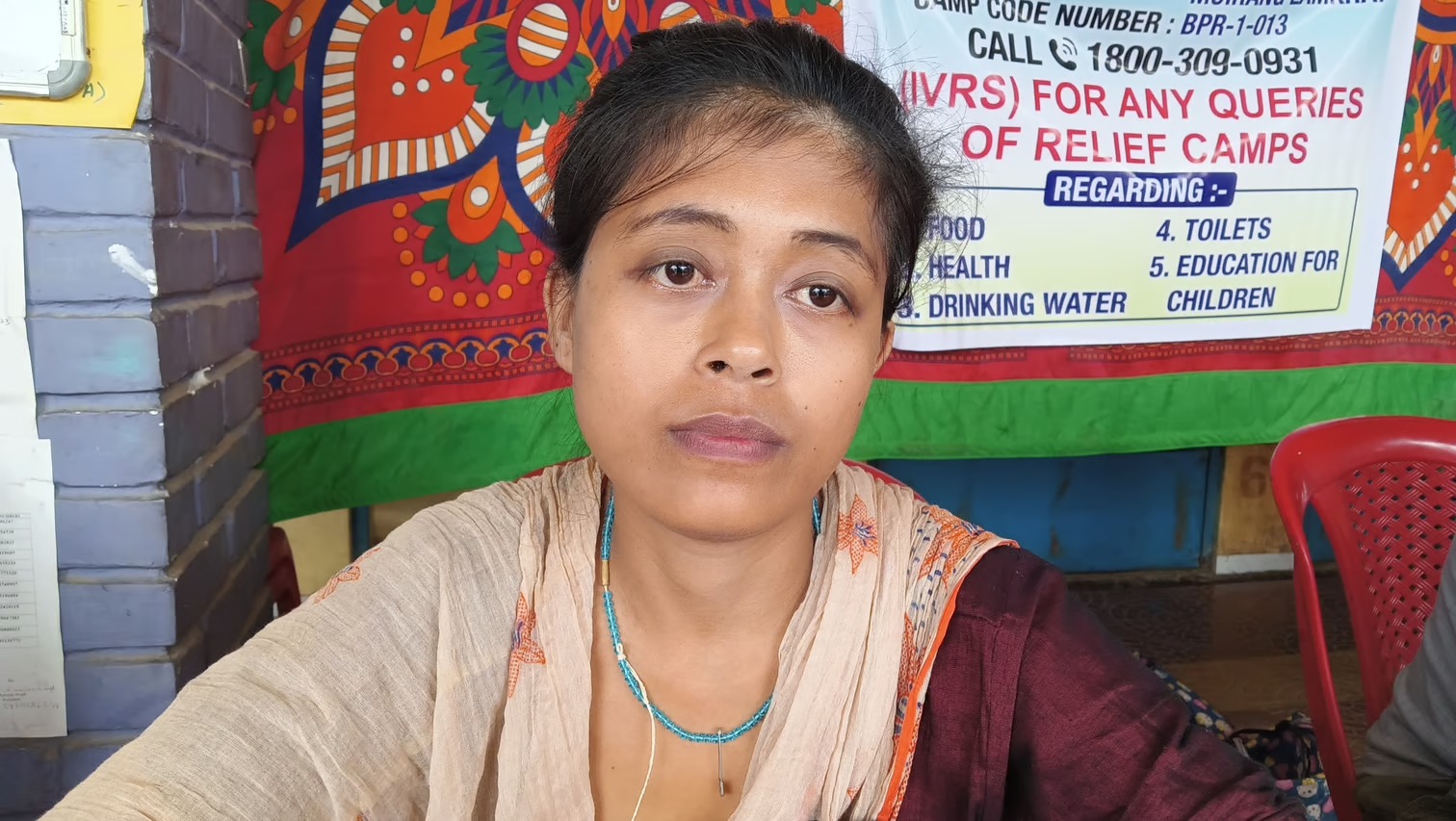
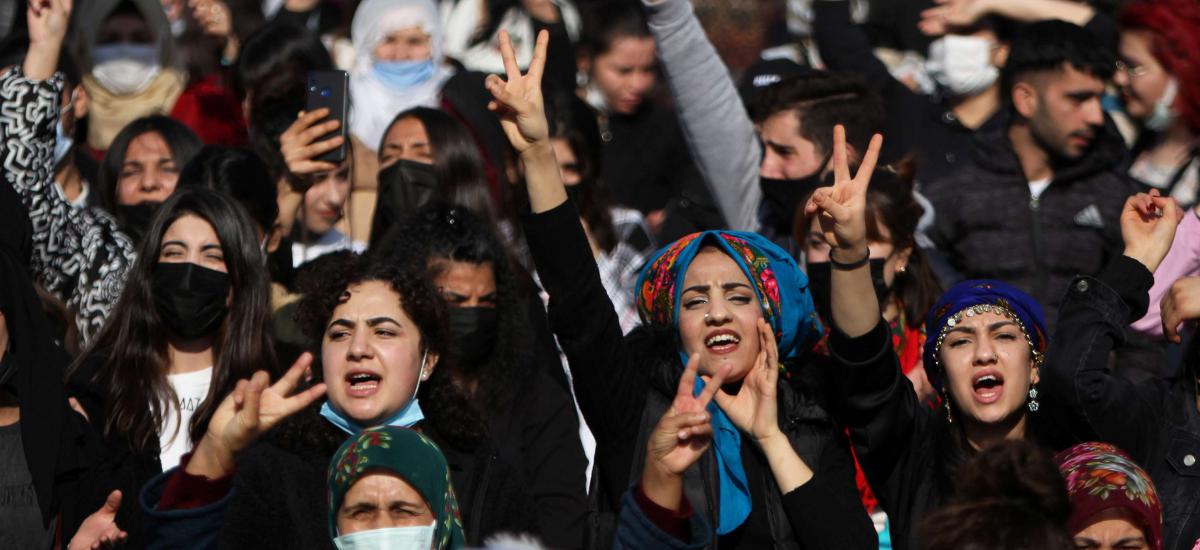
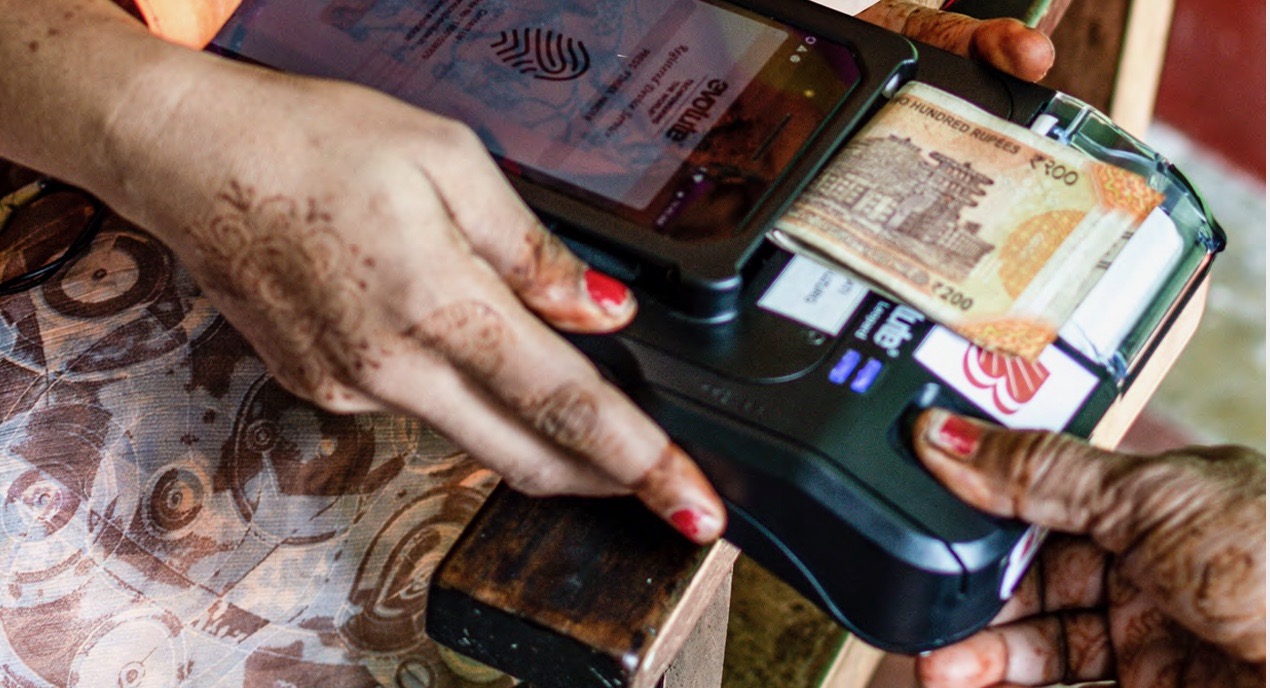
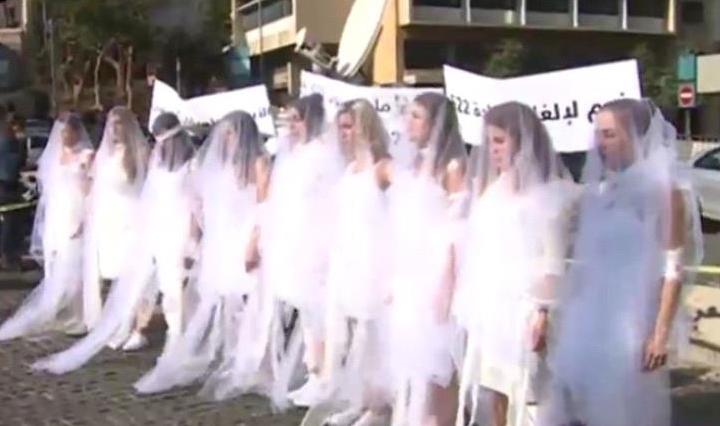
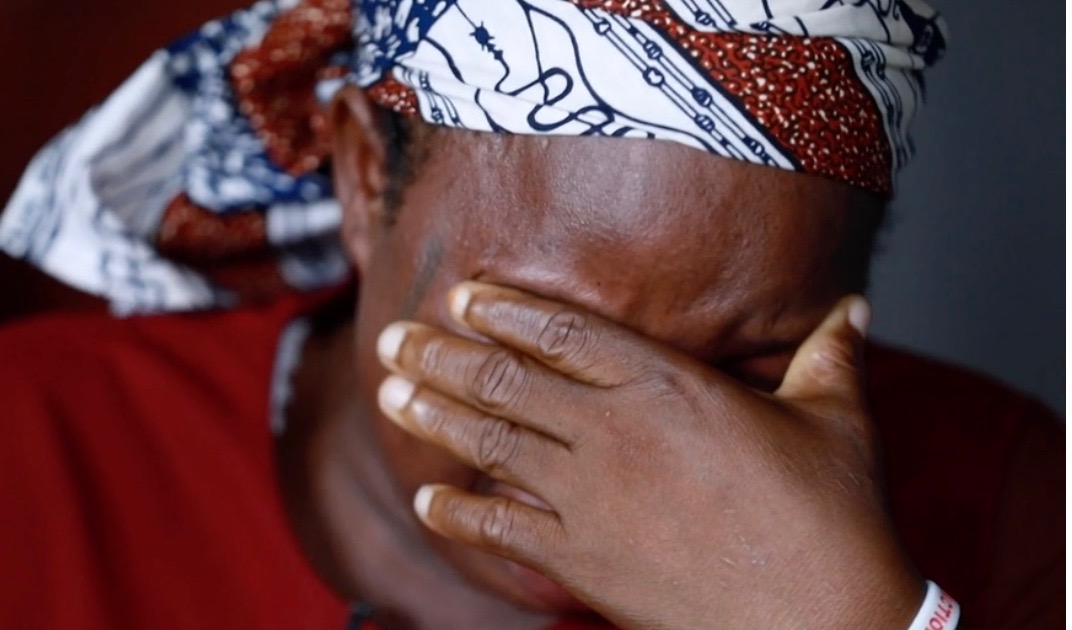
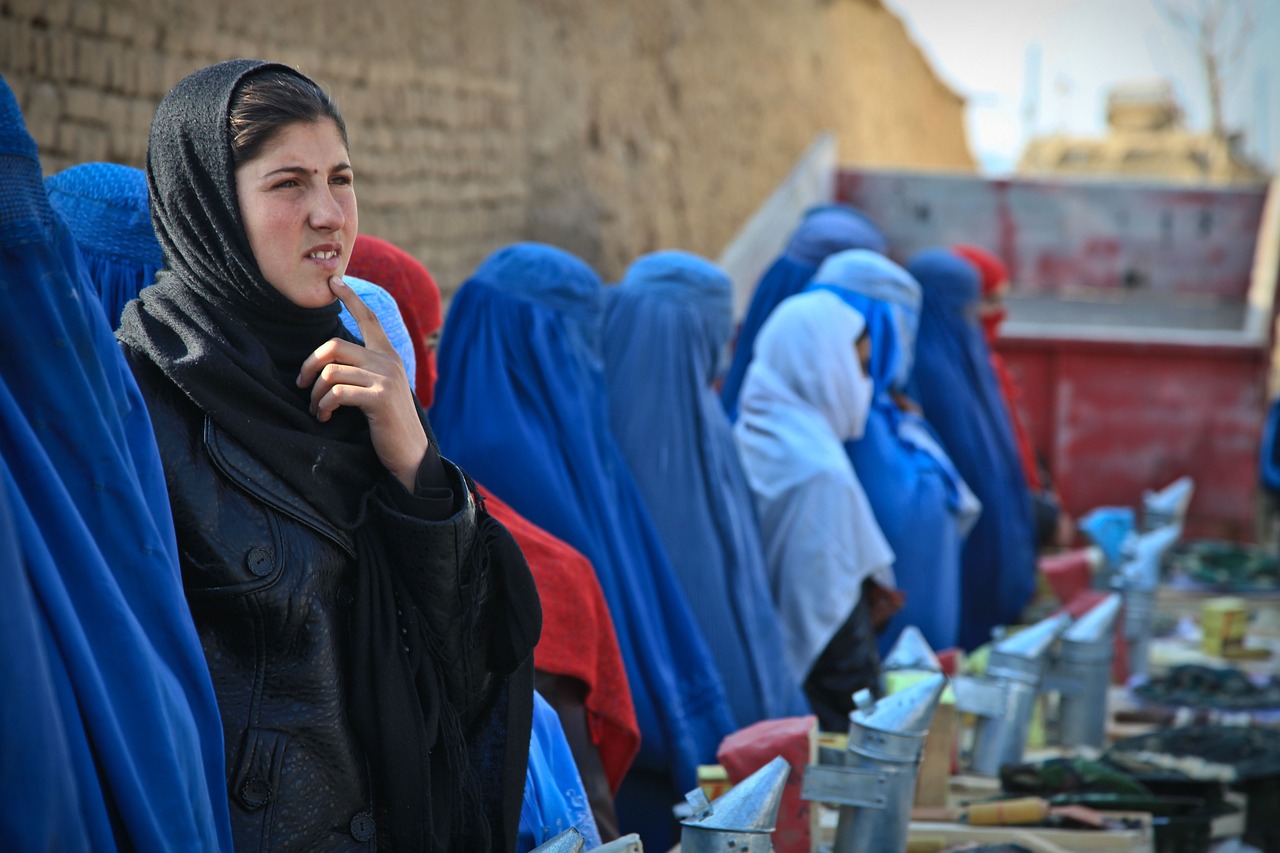
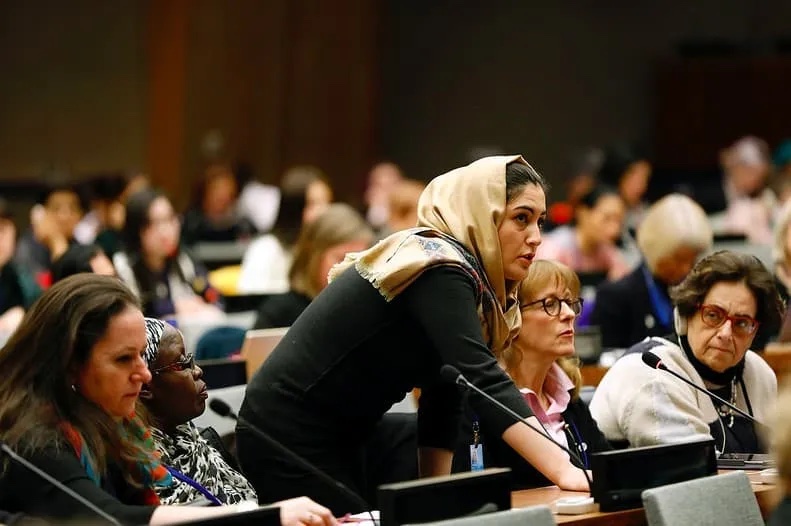
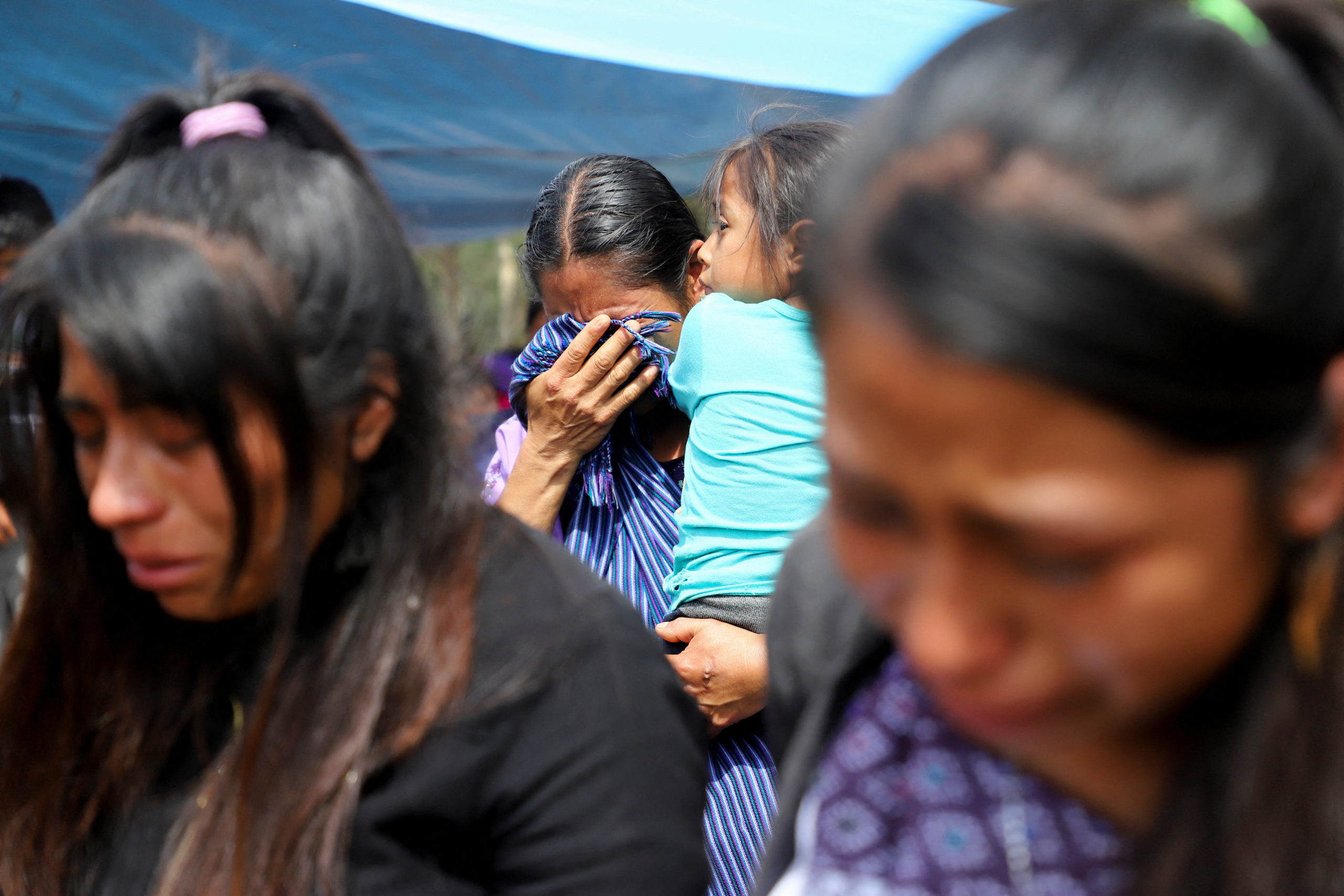
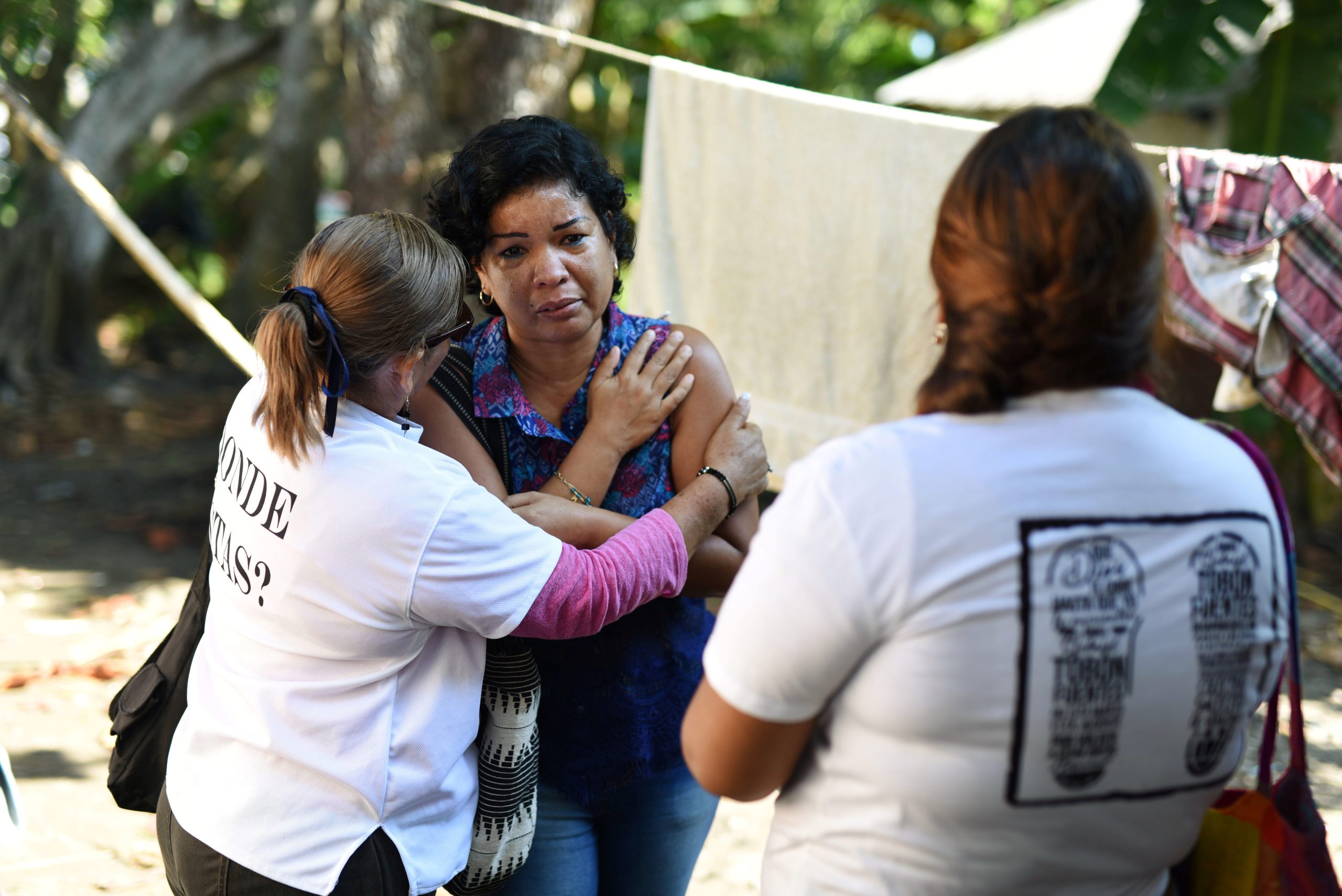
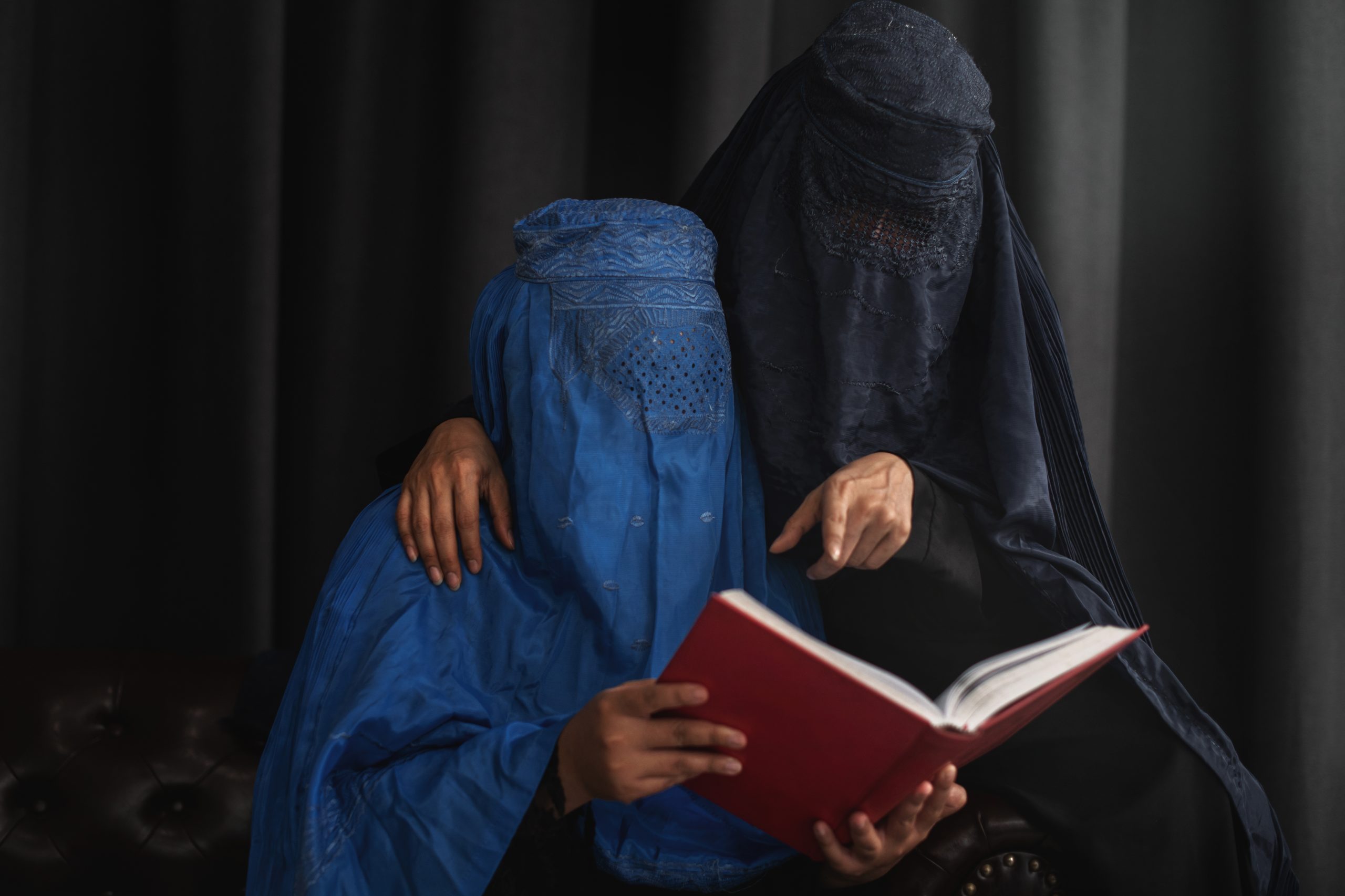
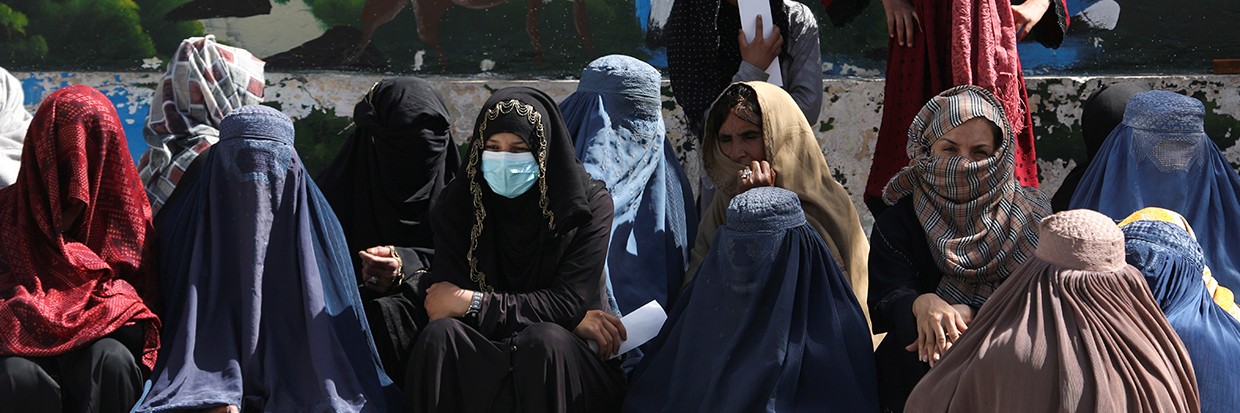
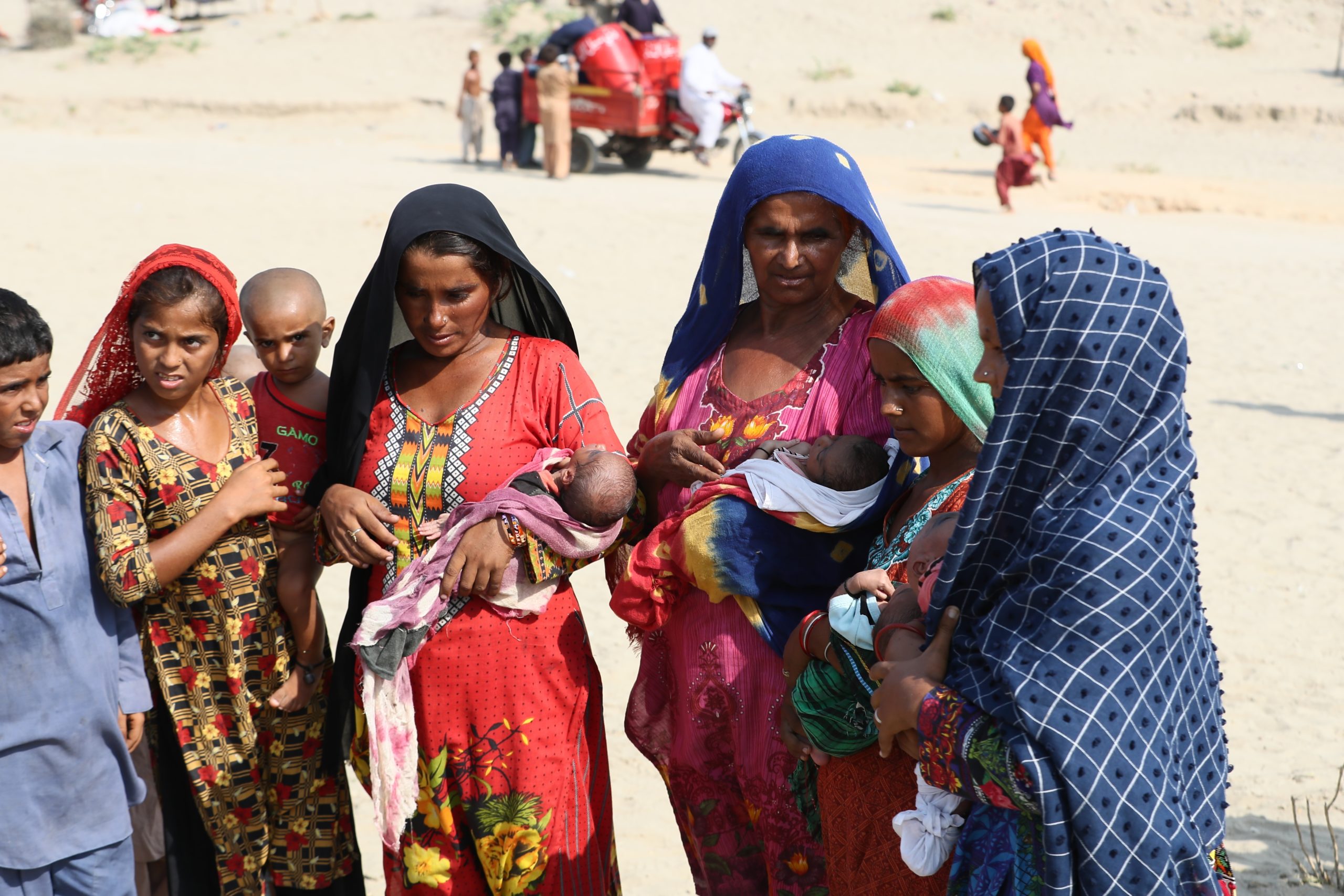
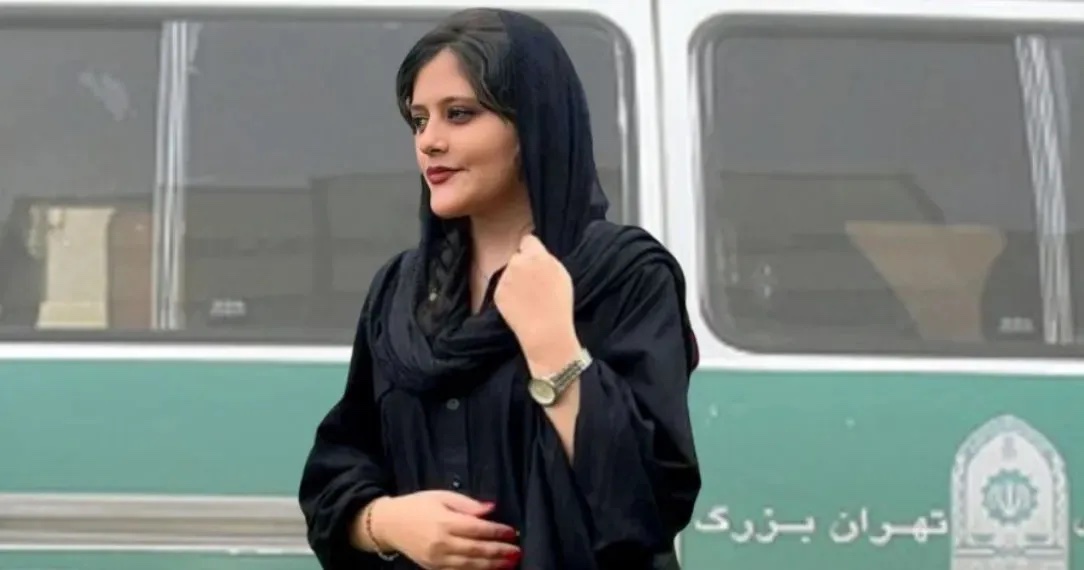
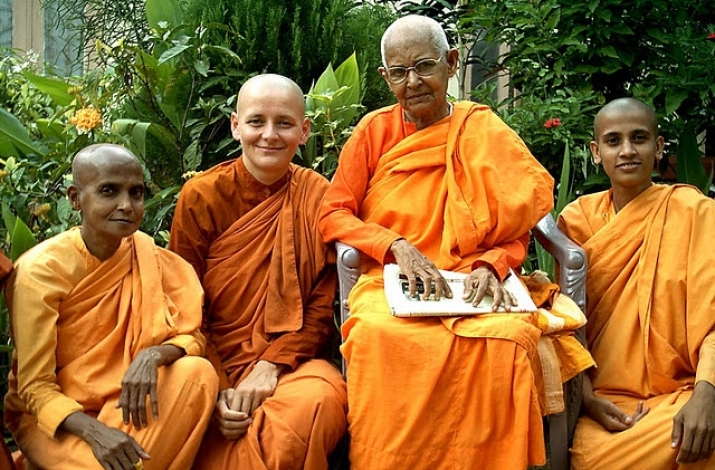
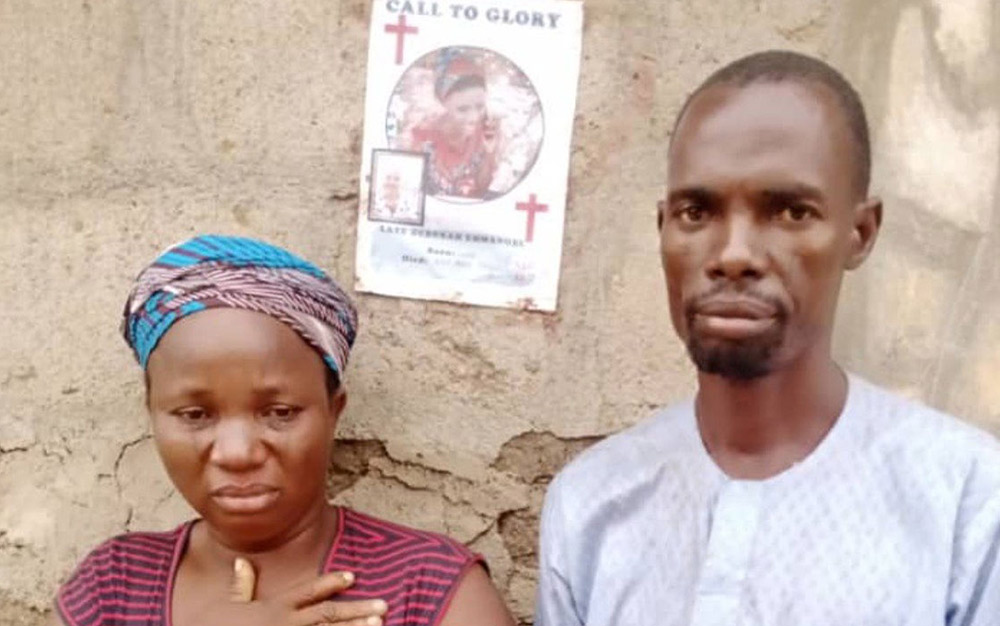
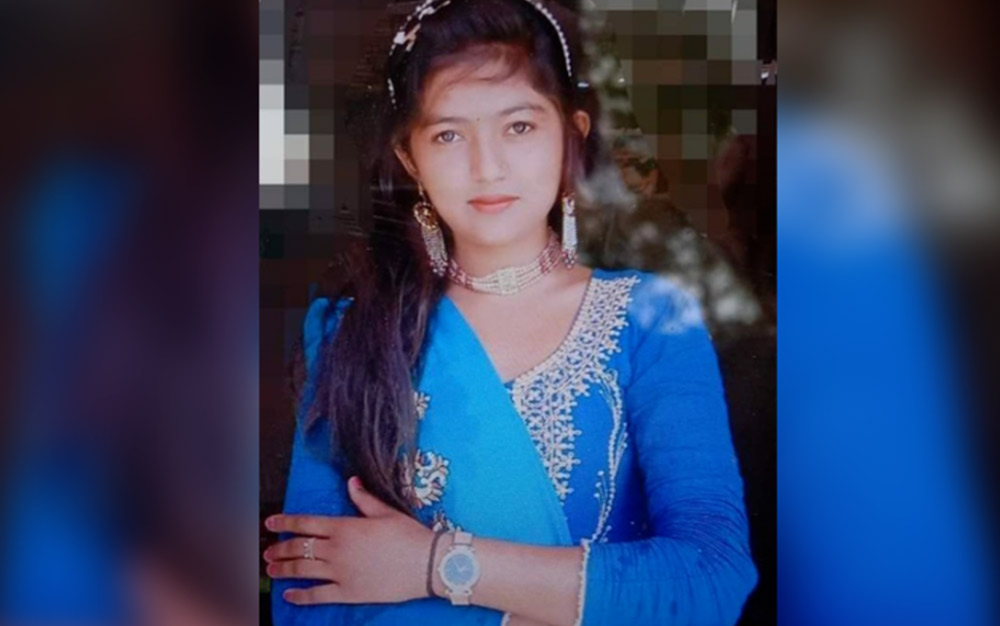
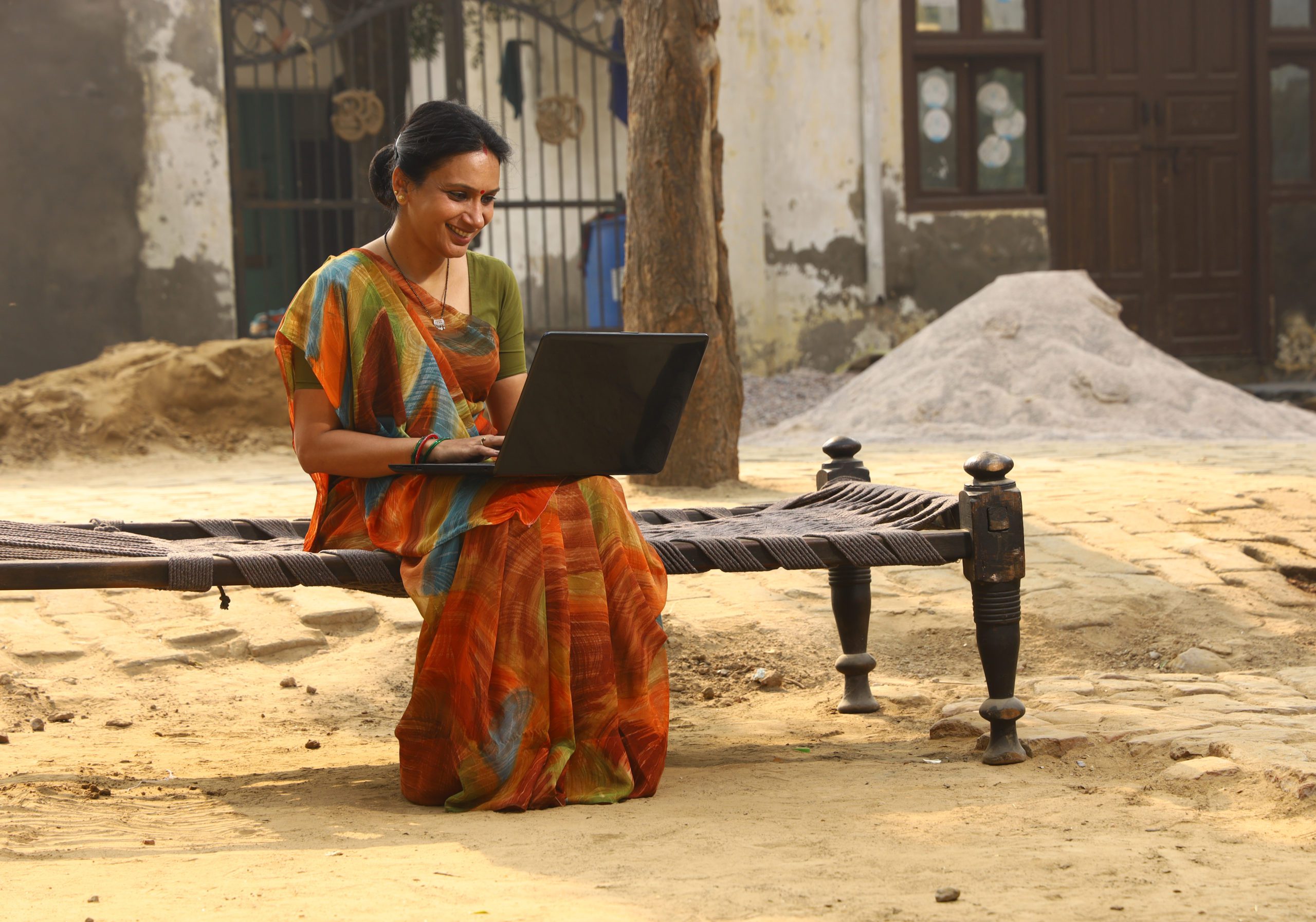
This blog highlights how women are especially vulnerable for FoRB violations, both because of their gender and their beliefs. 

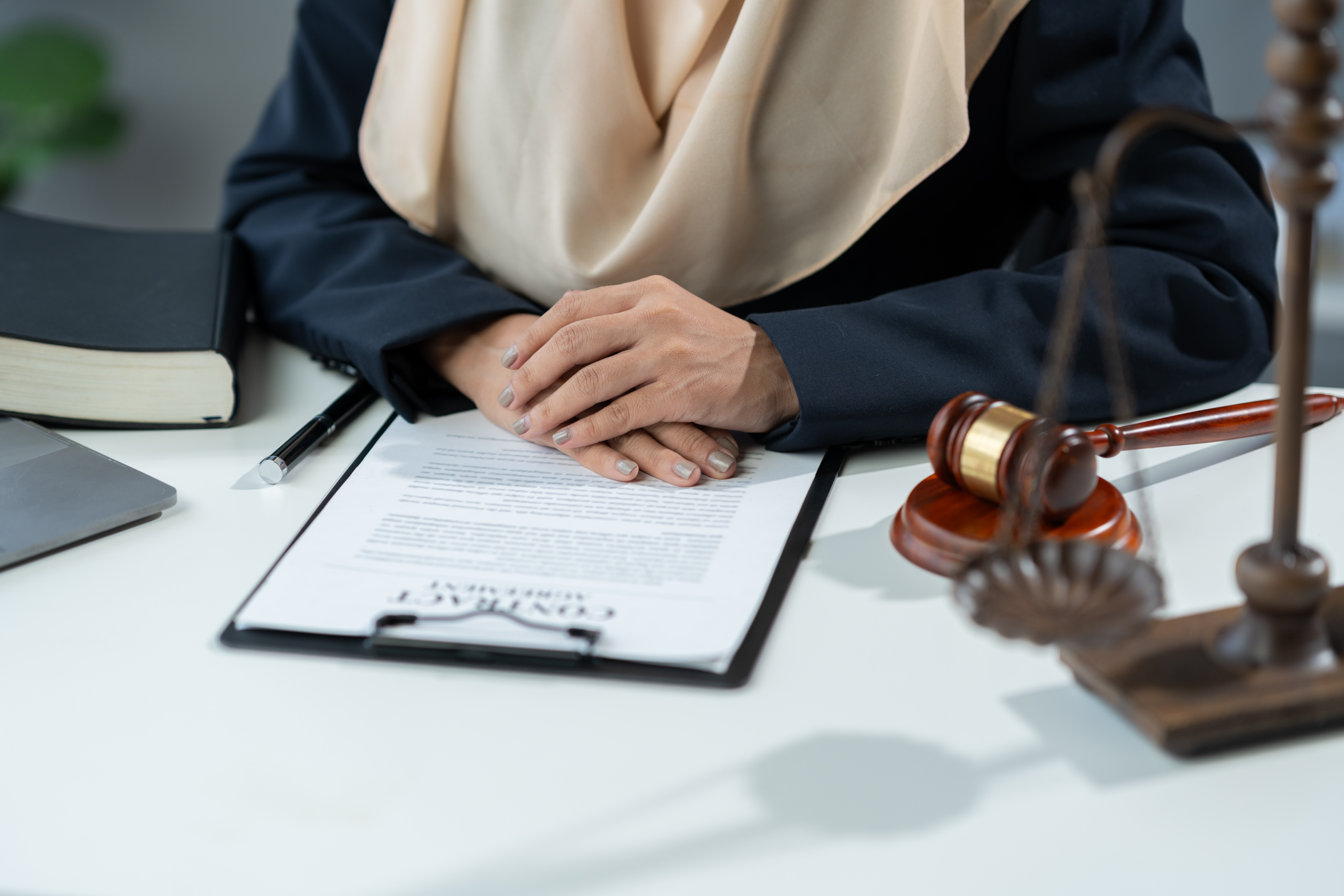
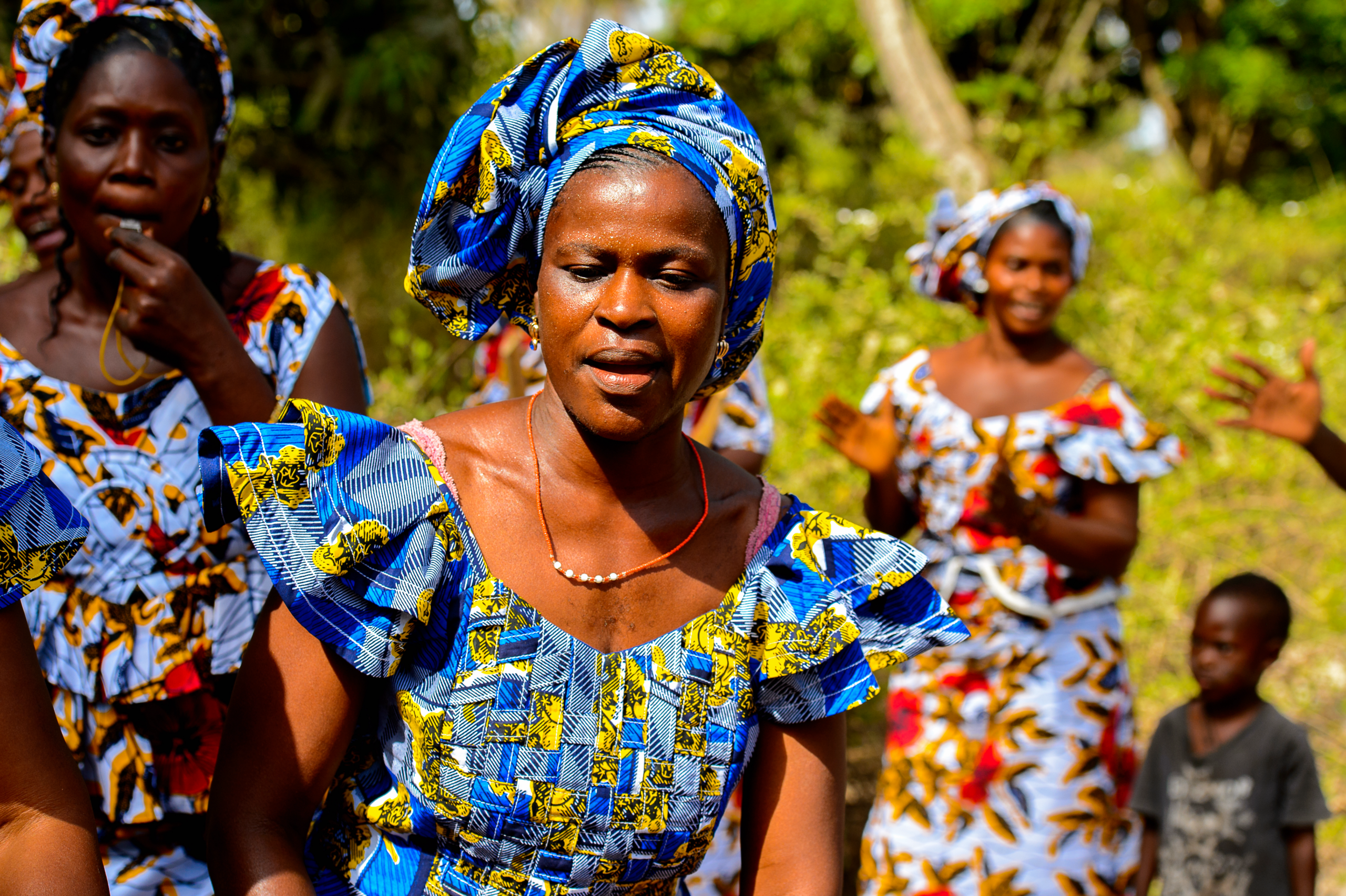
The Foundational Gatekeepers of Justice: Religious and Cultural Leaders as Women’s Allies

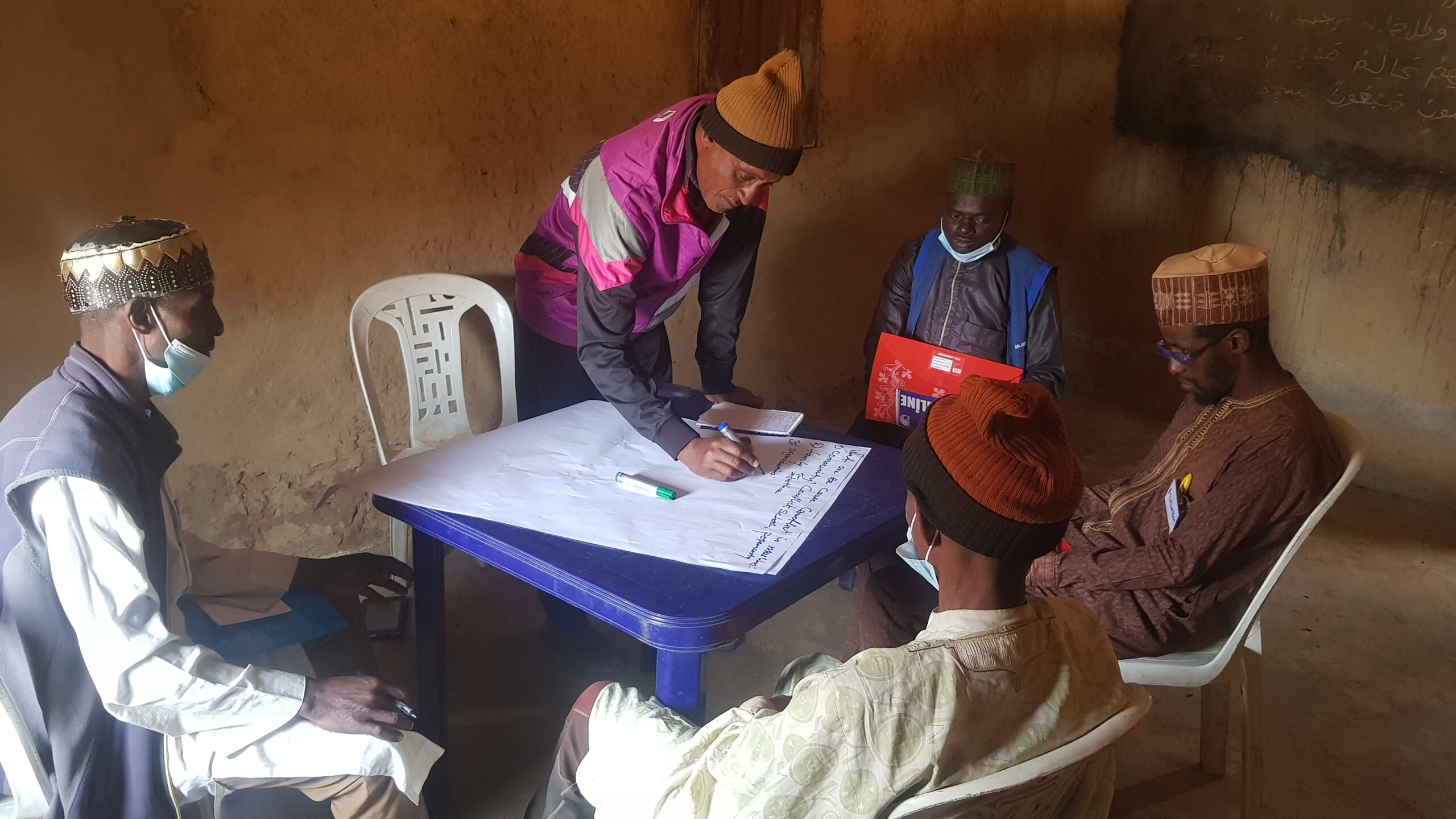
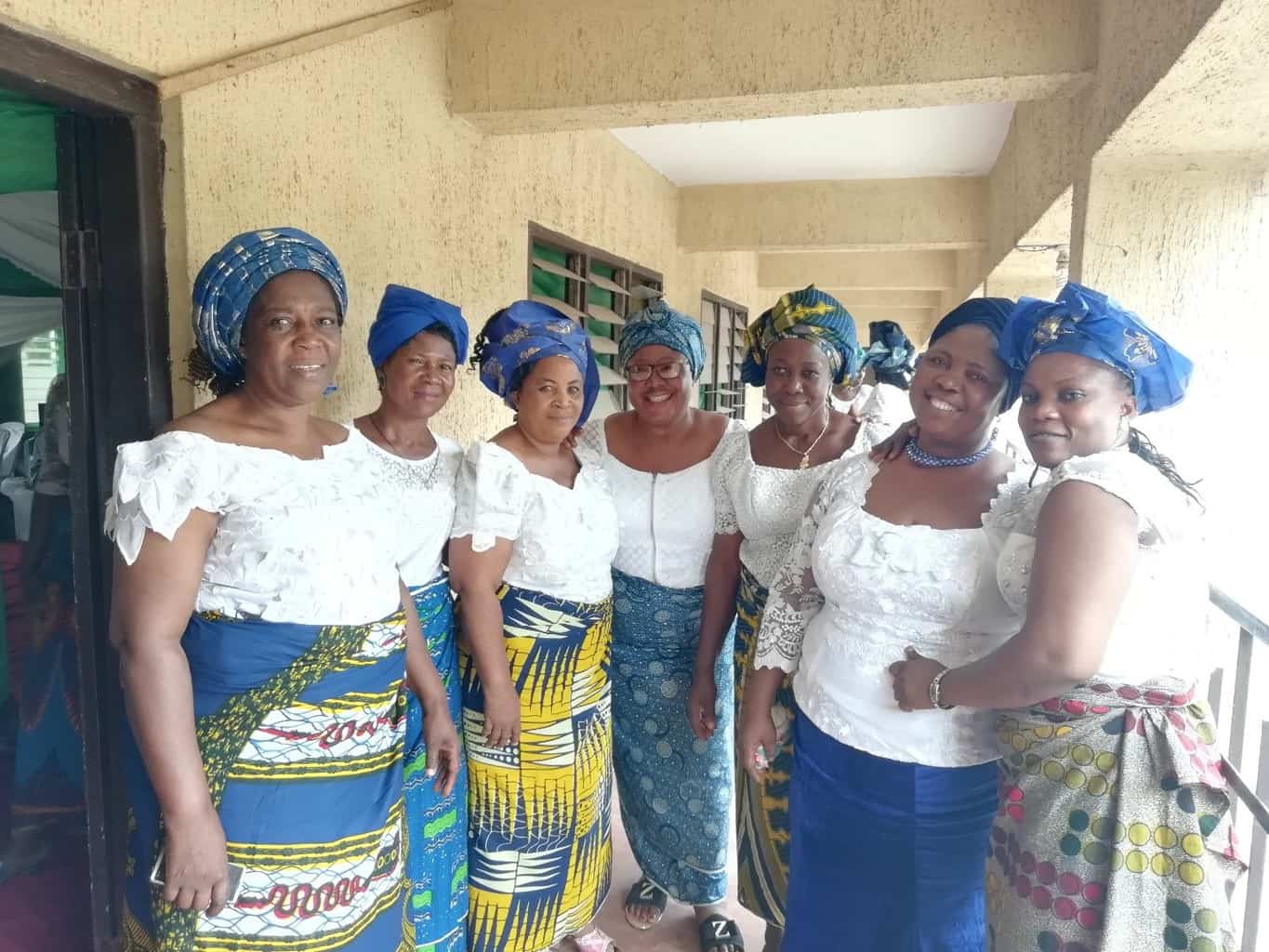
In many parts of Africa and across the Global South, long before formal courts became prevalent, disputes often were first taken to chiefs’ palaces, elders’ councils, or customary and religious authorities. These systems were not only mechanisms of dispute resolution but also spaces where social norms, including religious beliefs, were interpreted and enforced. As such,…

Read more
FoRB Women Alliance Fellows Program

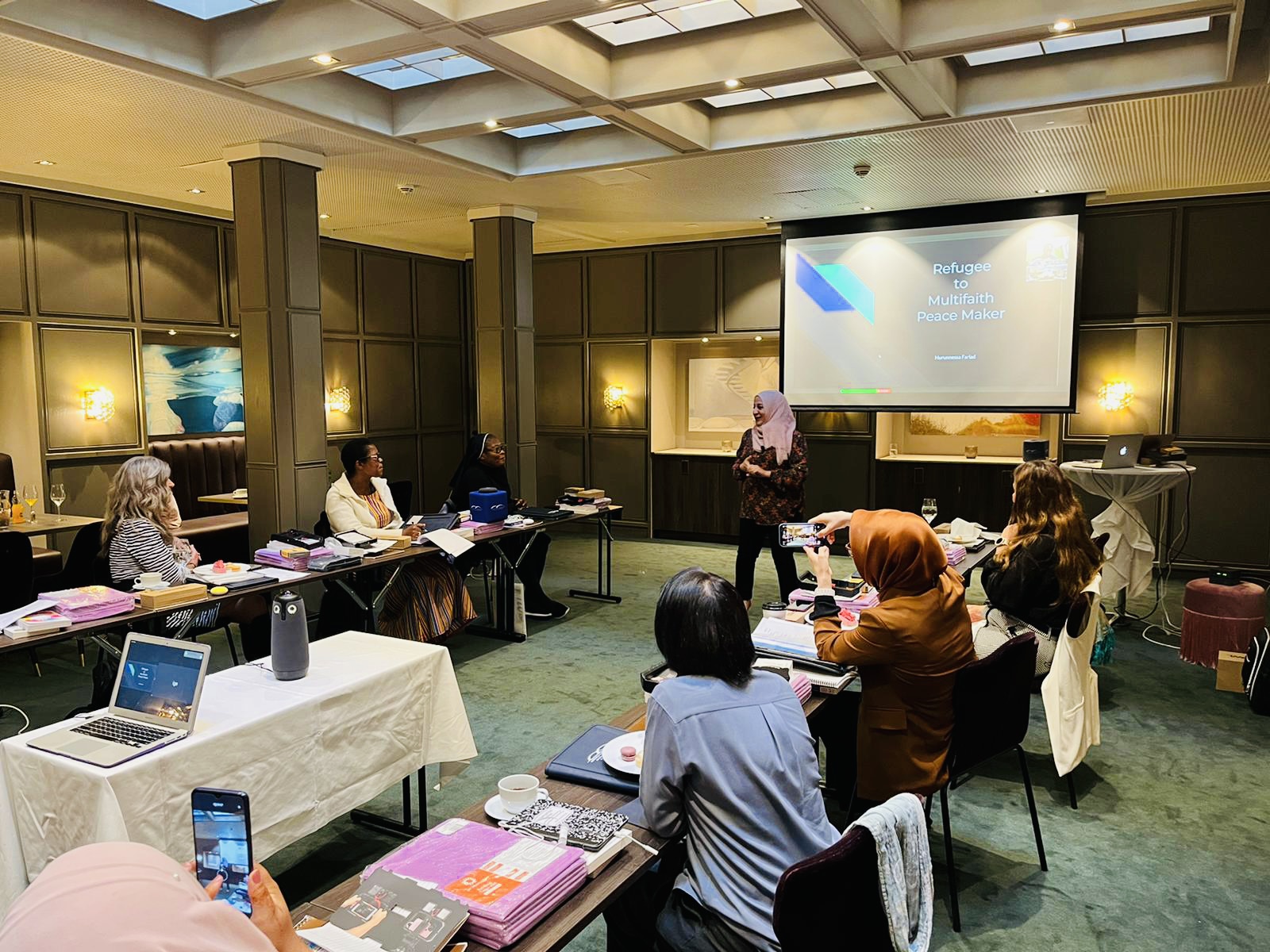
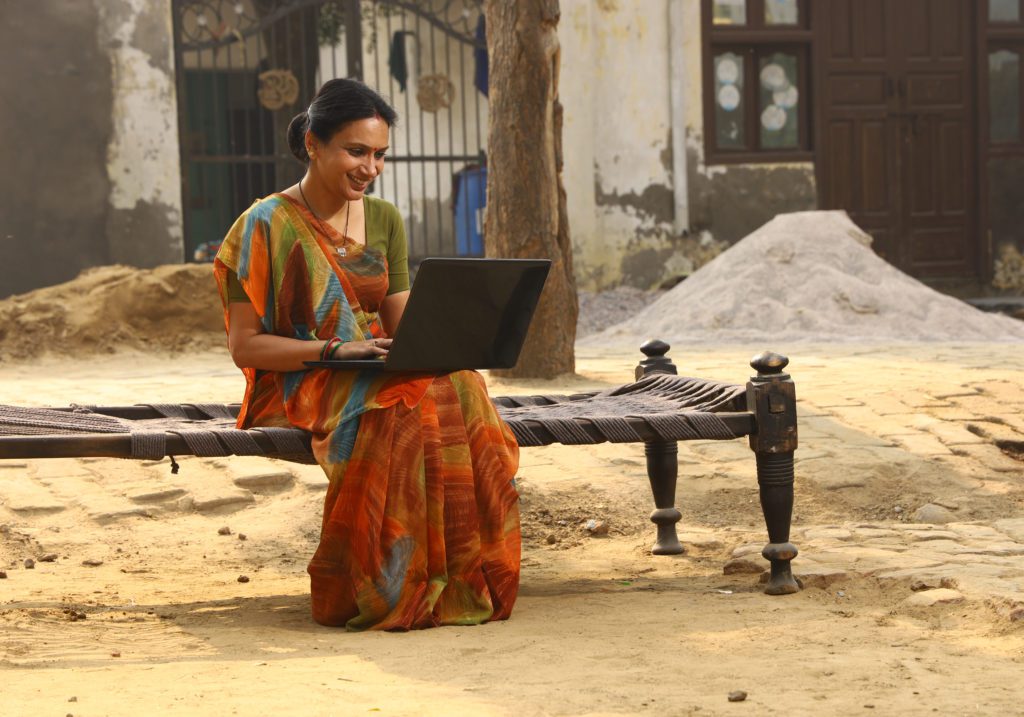
Mission: To encourage active participation and impact that advances freedom of religion or belief for women   Why a FoRB Alliance Fellows Program? Alliance fellowships are designed to support and enhance the unique positions and capacities of women and their roles championing freedom of religion or belief (FoRB) by accelerating the work of select FoRB…

Why Women and FoRB

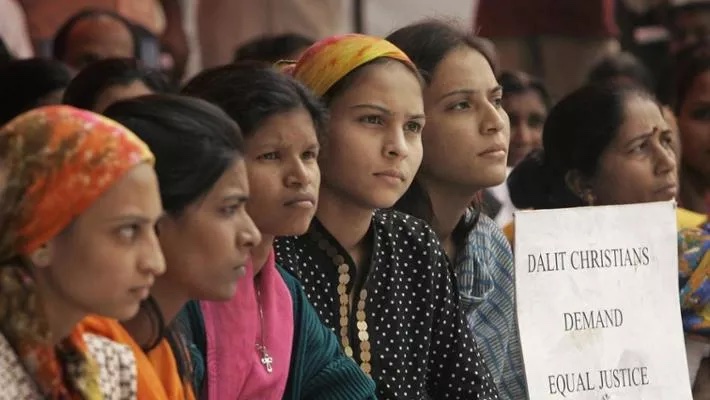
Violations abroad of religious freedom or belief (FoRB) impact all aspects of the lives of women (and girls), including their human rights.  Women and girls experience similar kinds of violations as do men: governments harass and imprison them, and state and non-state actors commit physical violence against them. But they also confront distinctive violations because…

Faith, Reform, and Equality: Rethinking FORB Through Muslim Family Law

Across many Muslim-majority countries, religion often is invoked to justify discrimination against women and girls. From unequal divorce rights to limited economic protections, these legal frameworks frequently are framed as religiously mandated, and therefore, resistant to reform. However, that is only part of the story. Increasingly, advocates in Muslim-majority countries also are drawing on religious…

Read more
What it Means to “Protect” FoRB for Women

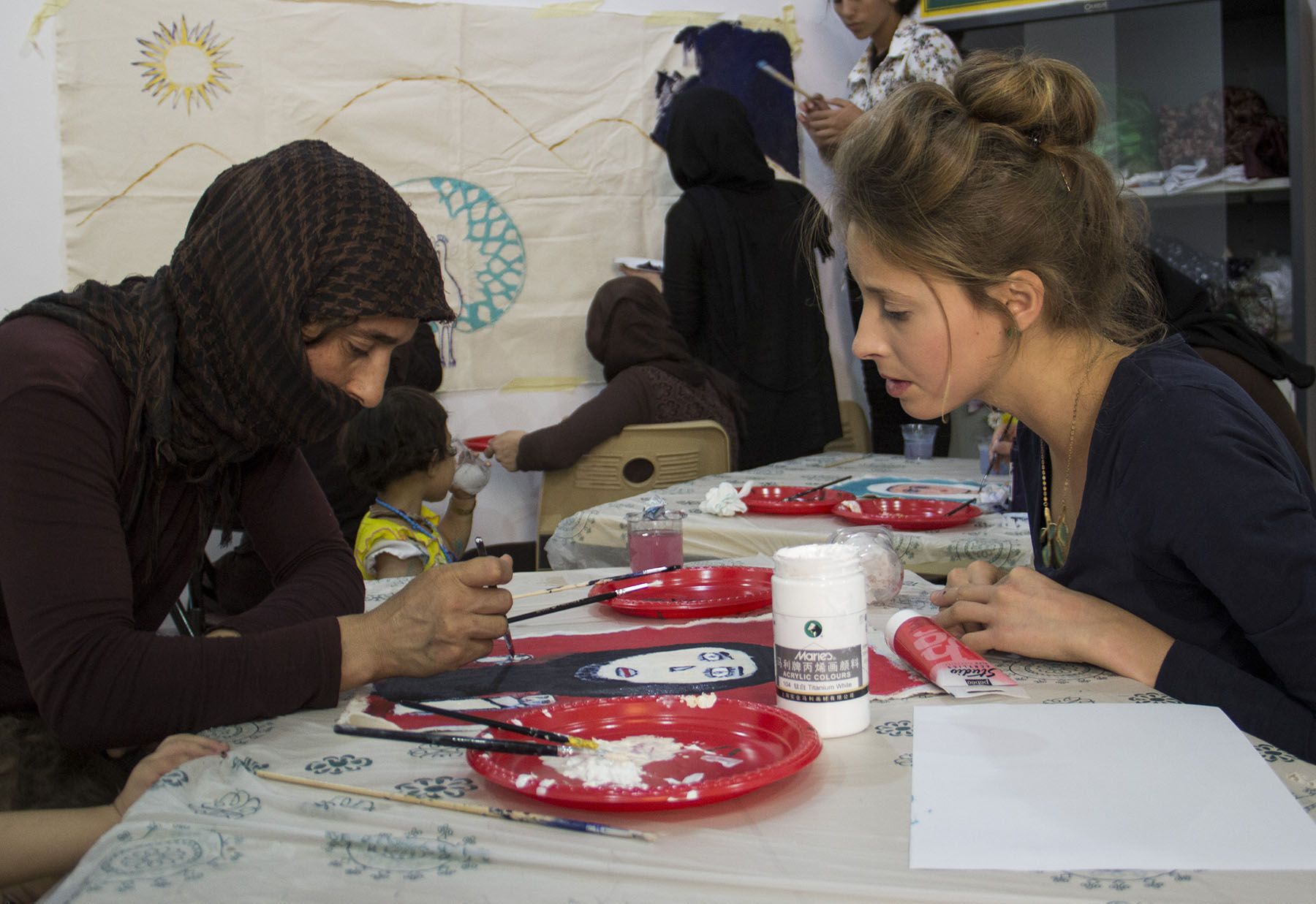
What does it mean to protect women’s religious freedom? The Universal Declaration of Human Rights designates freedom of religion or belief (FoRB) as an individual right, guaranteed alone or in community with others. It is non-derogable, meaning it cannot be restricted on national security or other grounds. Each category of protected FoRB activity – teaching, practice, worship and observance – reflects a person’s ability to exercise agency. Religious freedom for women…

Read more
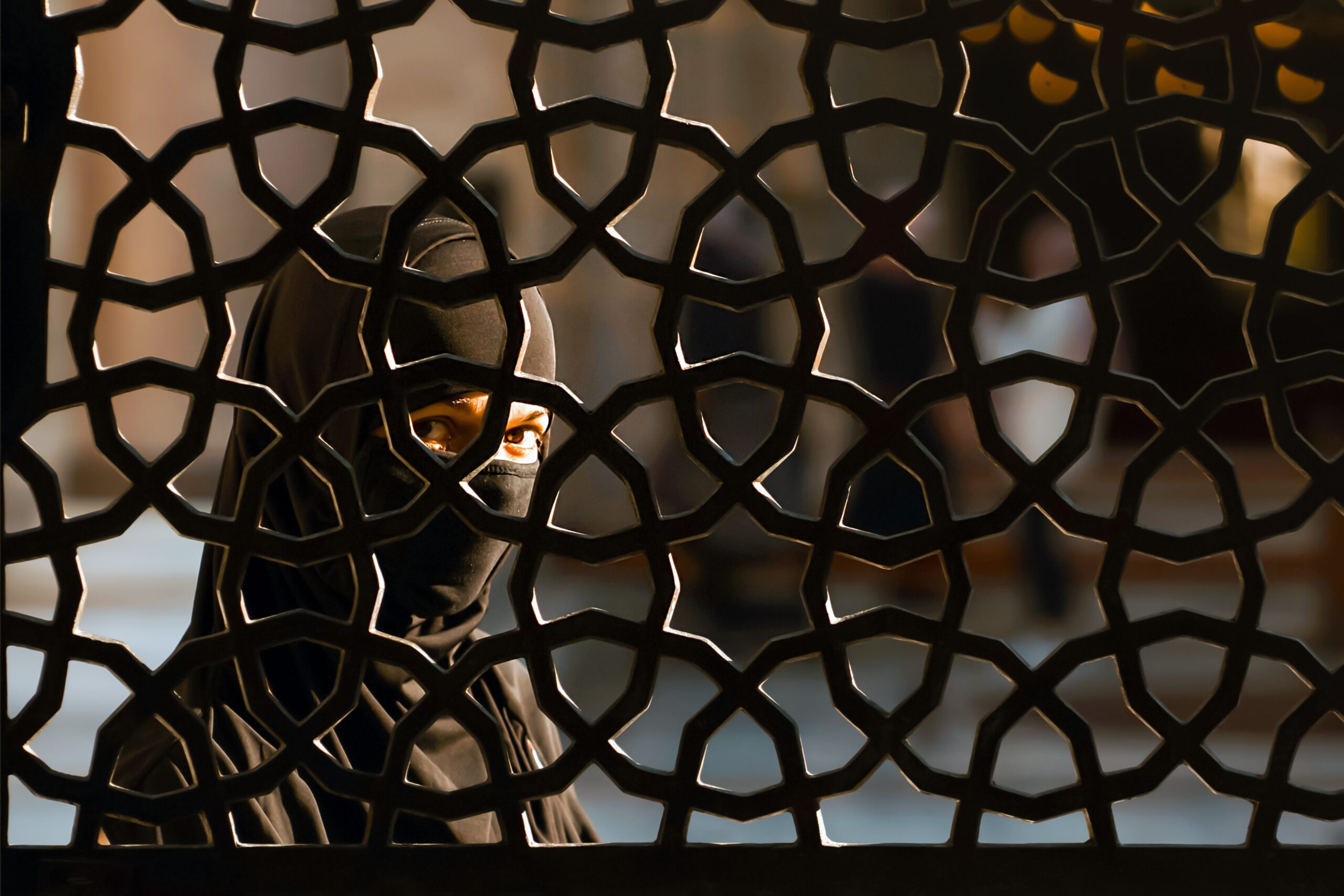
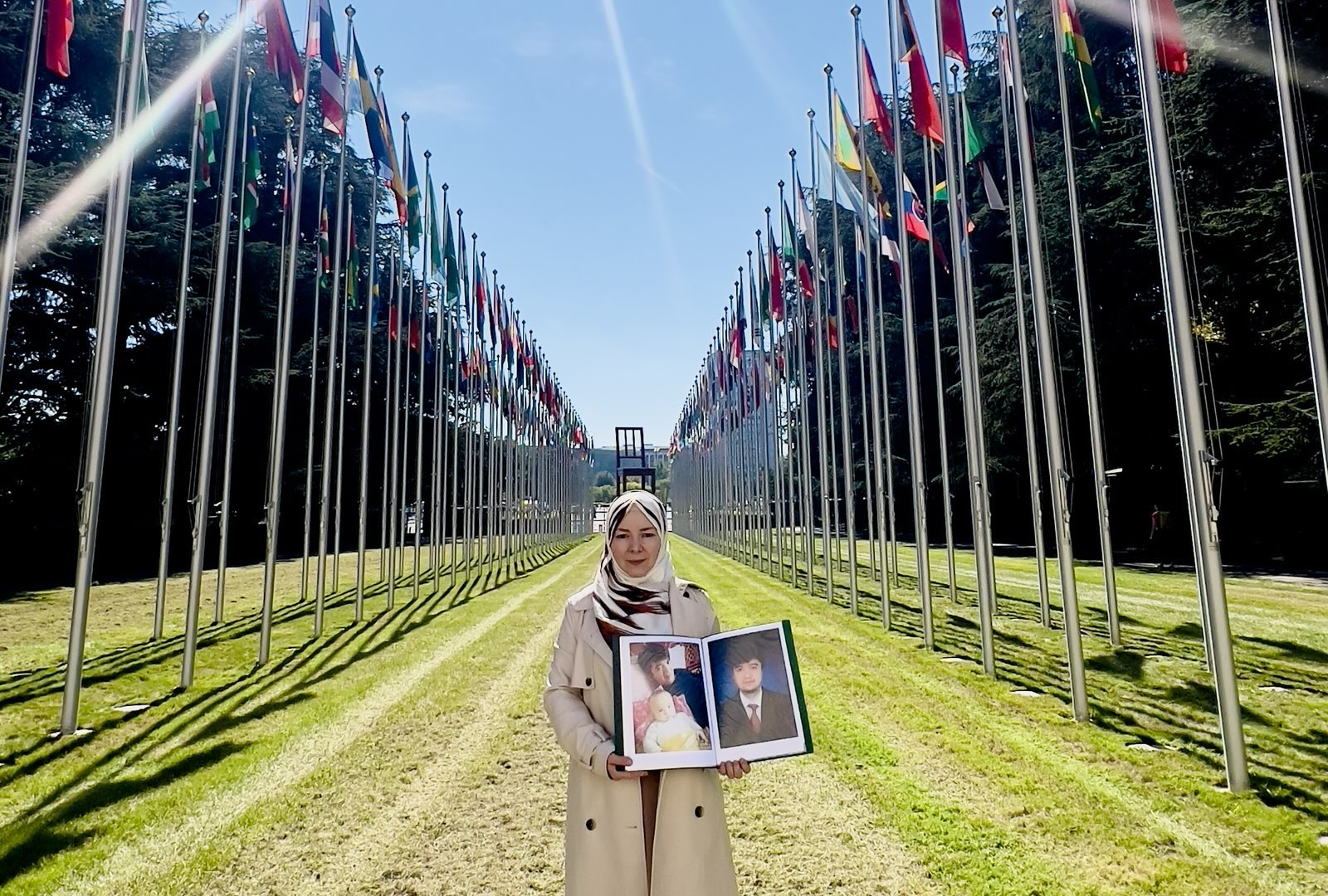
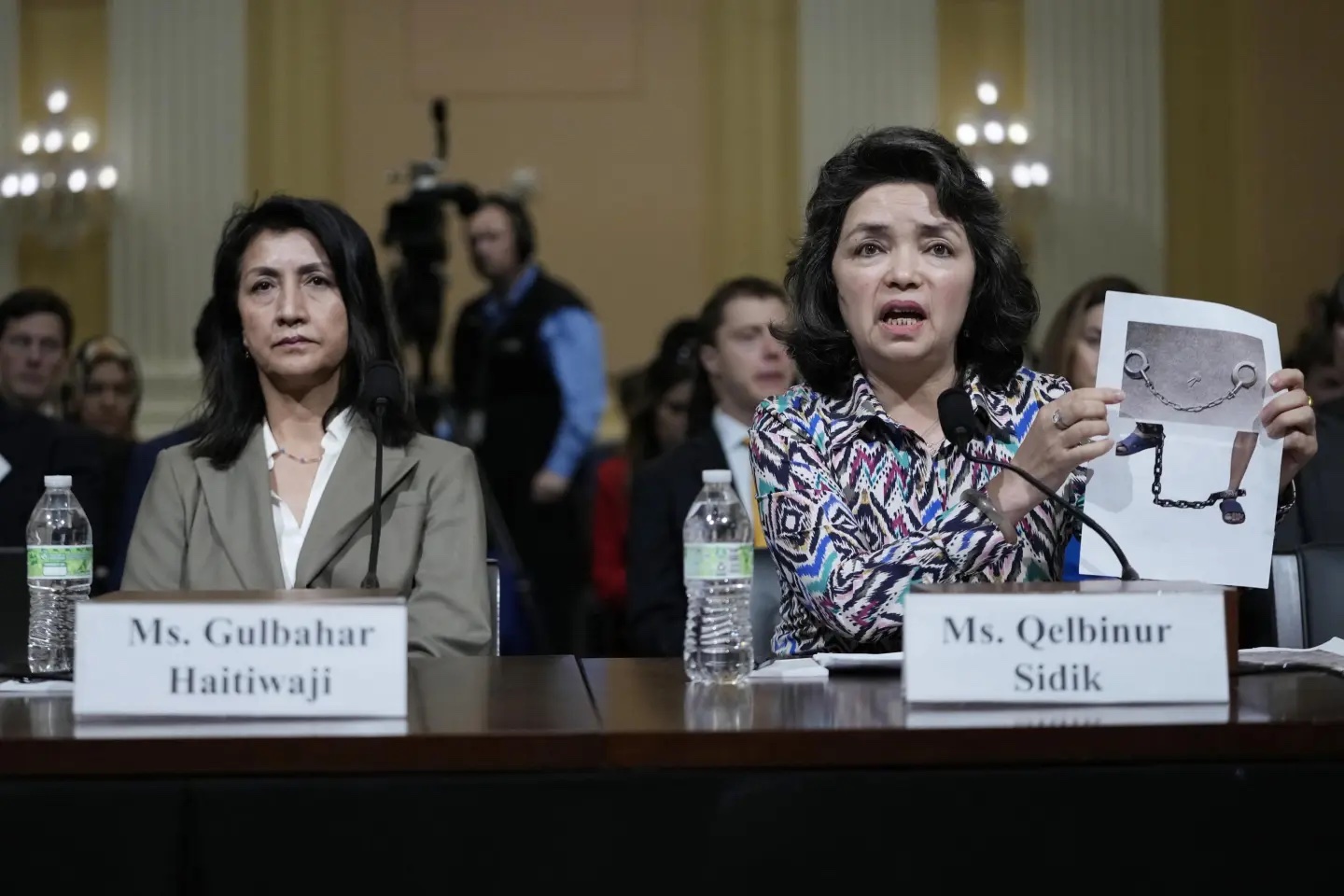
Uyghur Women on Solutions to Violations of Freedom of Religion or Belief

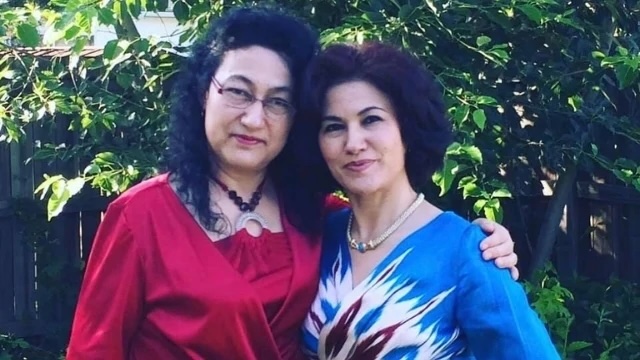
Across continents, Uyghur women are carrying the weight of survival, advocacy, and hope in the face of the Chinese government’s campaign of persecution and repression. They are scholars, organizers, mothers, and leaders who have turned personal loss and exile into collective strength. Two such voices—Rizwangul NurMuhammad and Dr. Dilnur Reyhan—offer a window into how Uyghur…
Read more