SHE THINKS FoRB

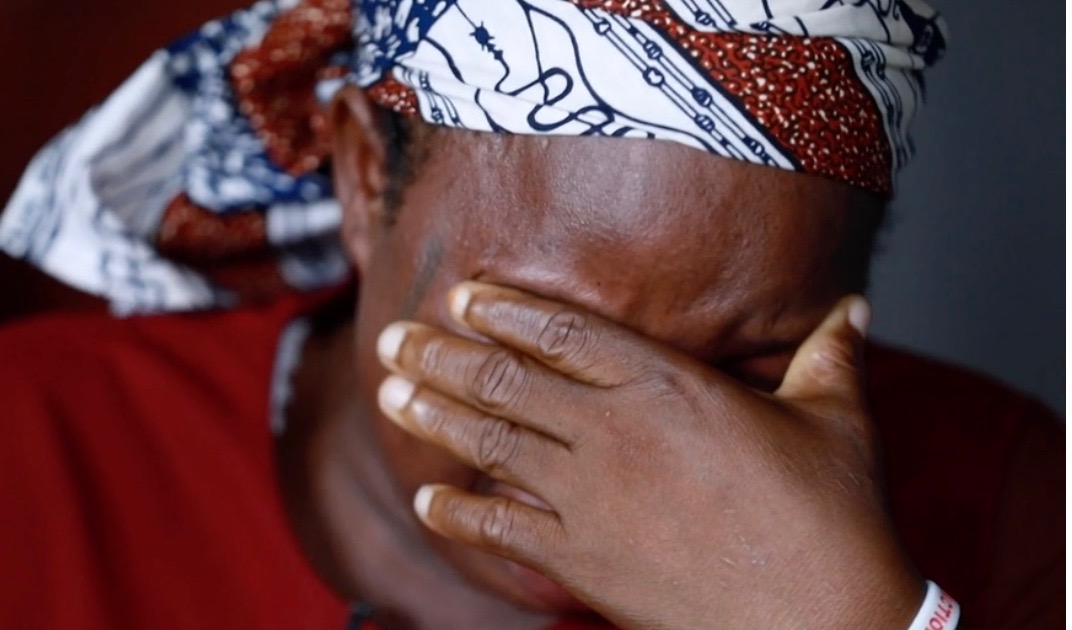
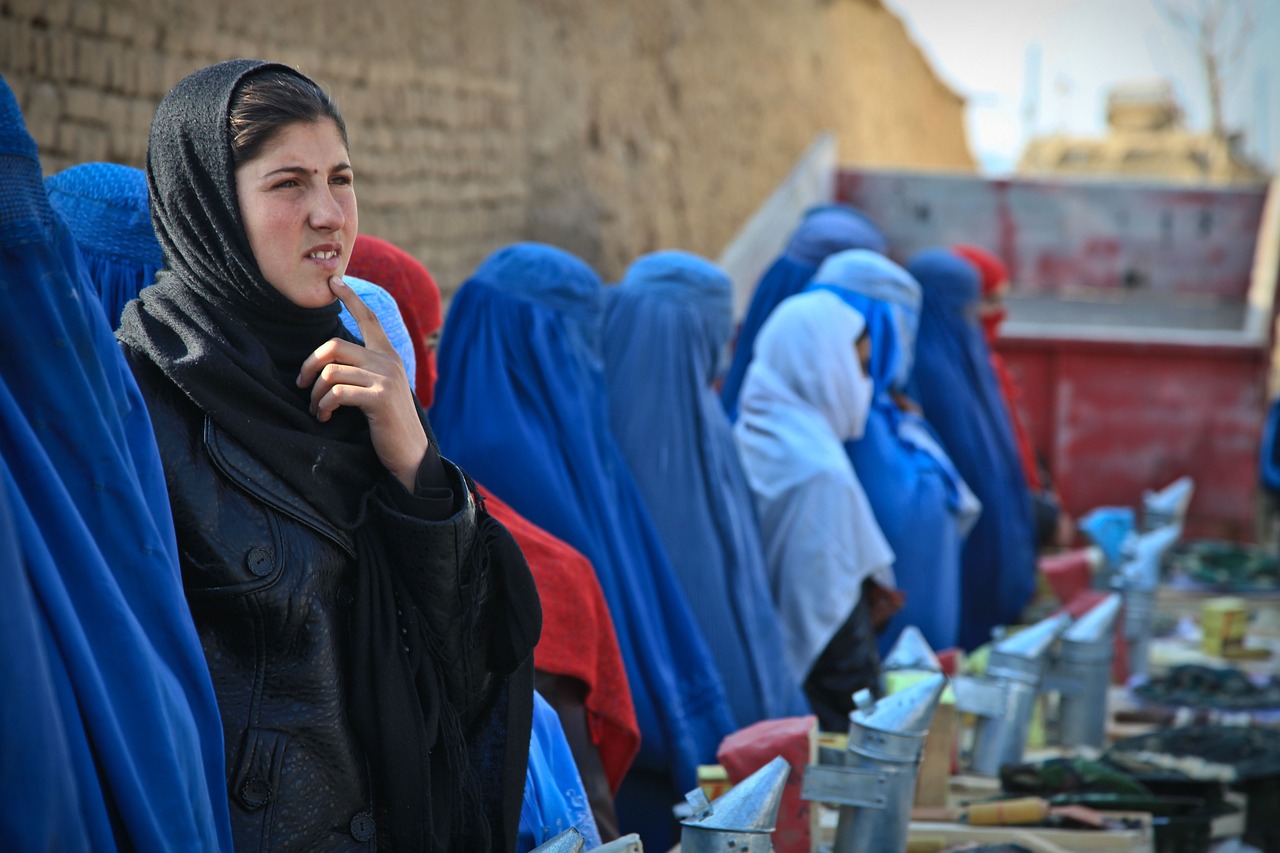
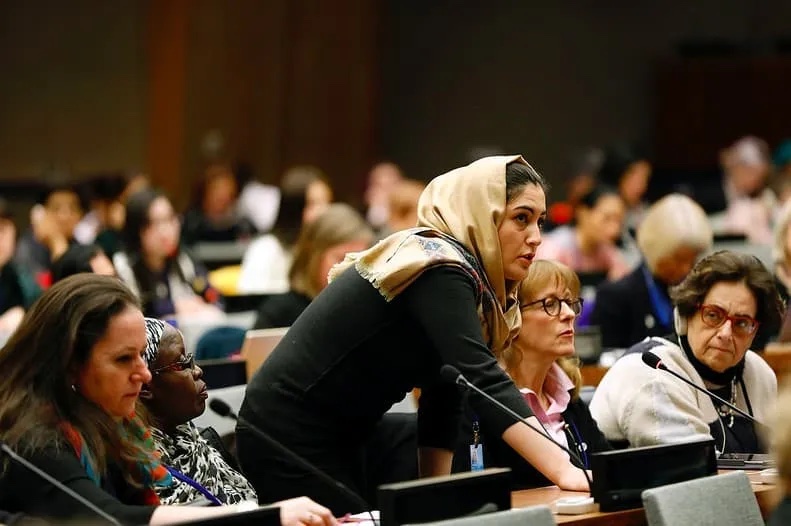
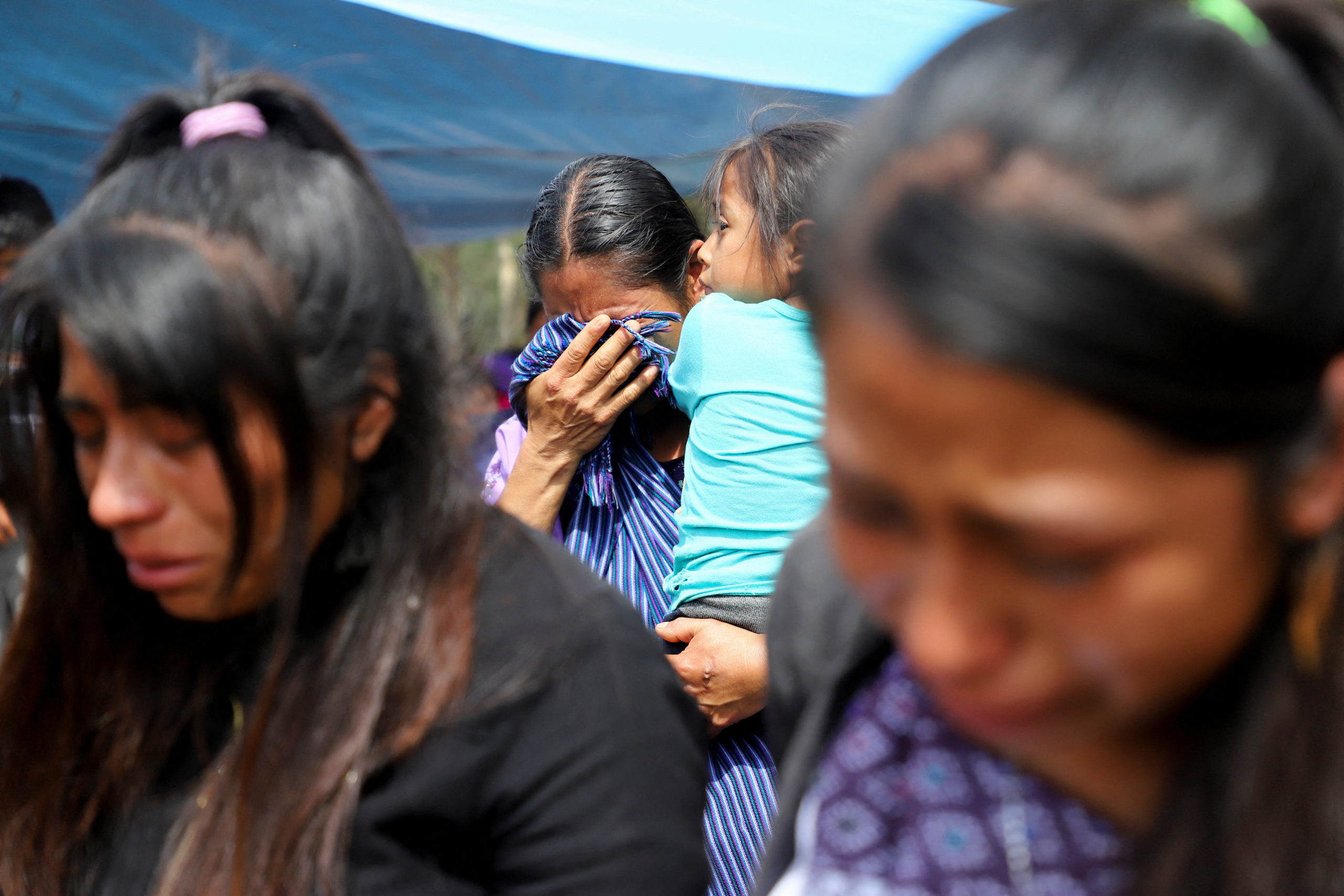
This blog highlights how women are especially vulnerable for FoRB violations, both because of their gender and their beliefs. 

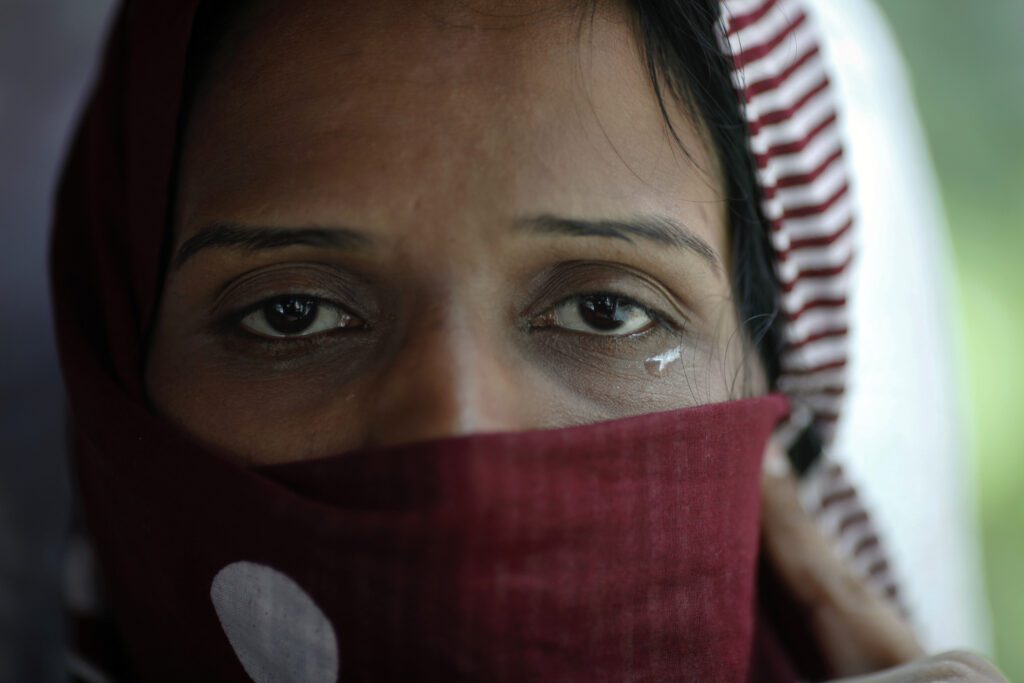
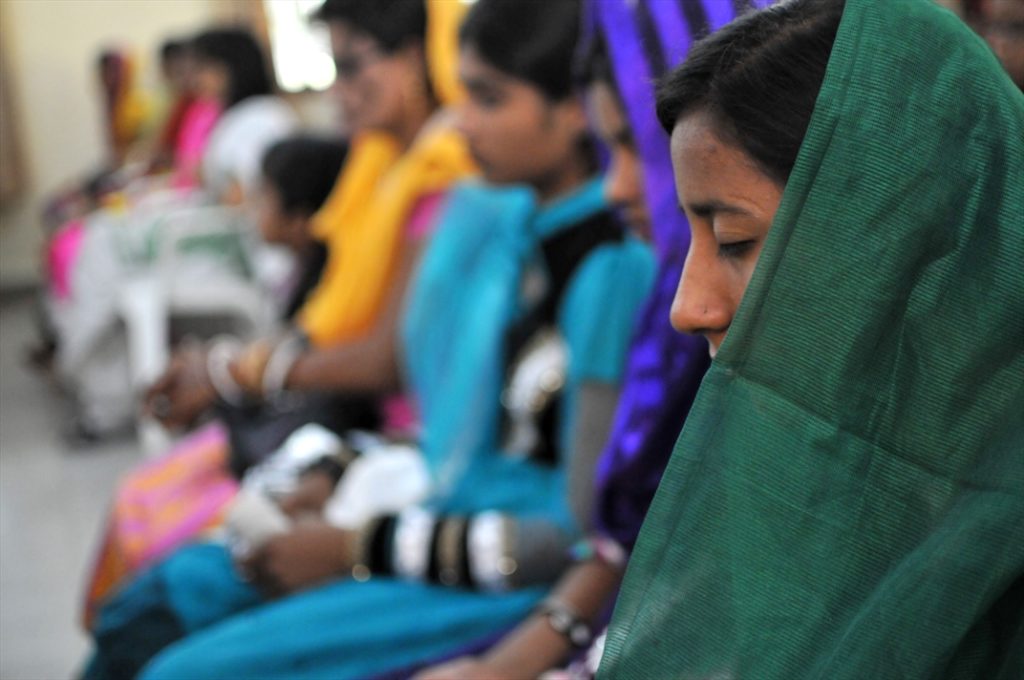
Faith, Reform, and Equality: Rethinking FORB Through Muslim Family Law

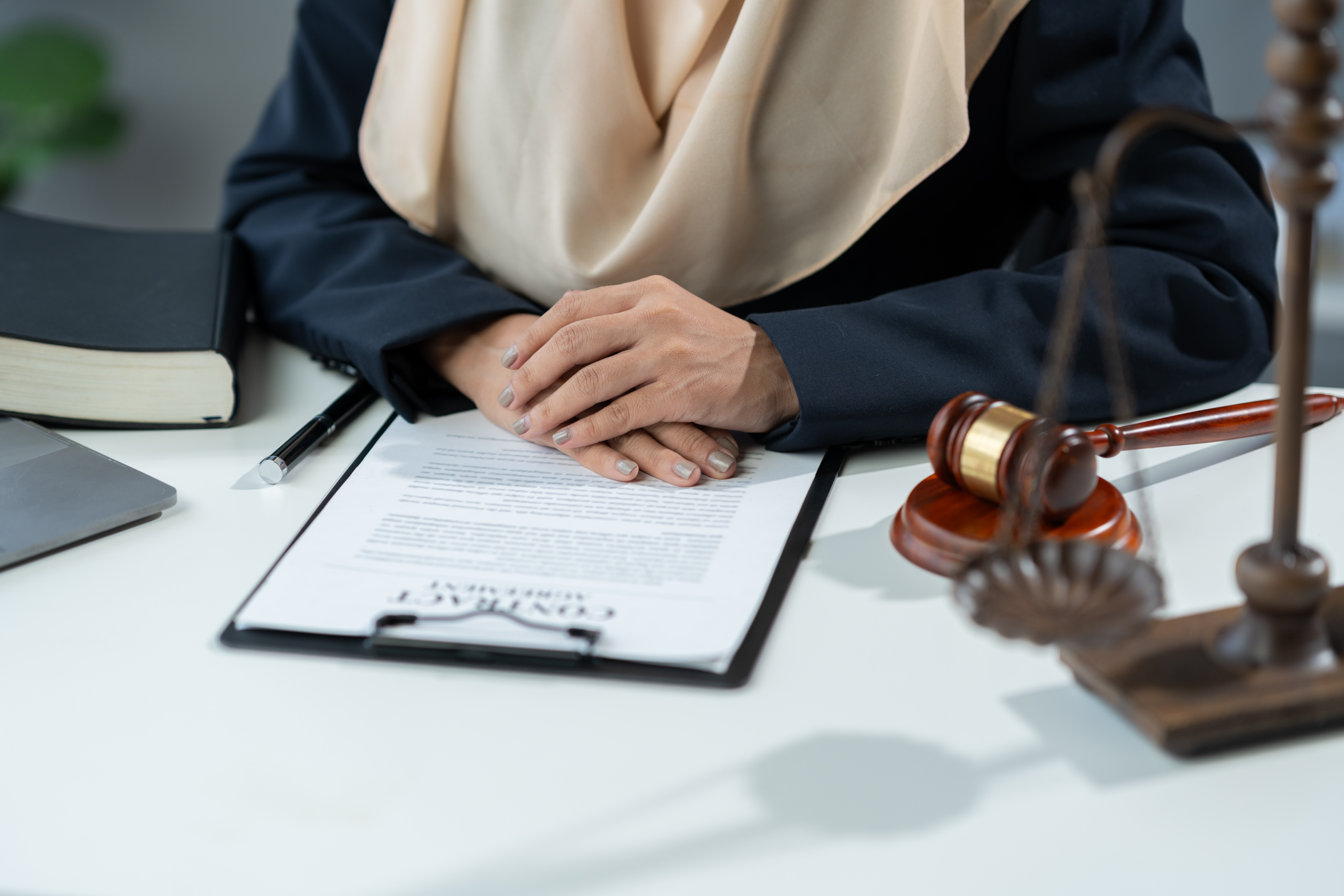
Across many Muslim-majority countries, religion often is invoked to justify discrimination against women and girls. From unequal divorce rights to limited economic protections, these legal frameworks frequently are framed as religiously mandated, and therefore, resistant to reform. However, that is only part of the story. Increasingly, advocates in Muslim-majority countries also are drawing on religious…

Read more
FoRB for everyone: Women in Focus – Reflections and Lessons Learned

Only a few years ago, little information was available about how freedom of religion or belief (FoRB) and women’s equality relate to each other. Many assumed that the two rights were contradictory, if not antagonistic. The information about their intersection that did exist largely was found in academic and policy publications and usually focused on…

The Women of Artsakh Today

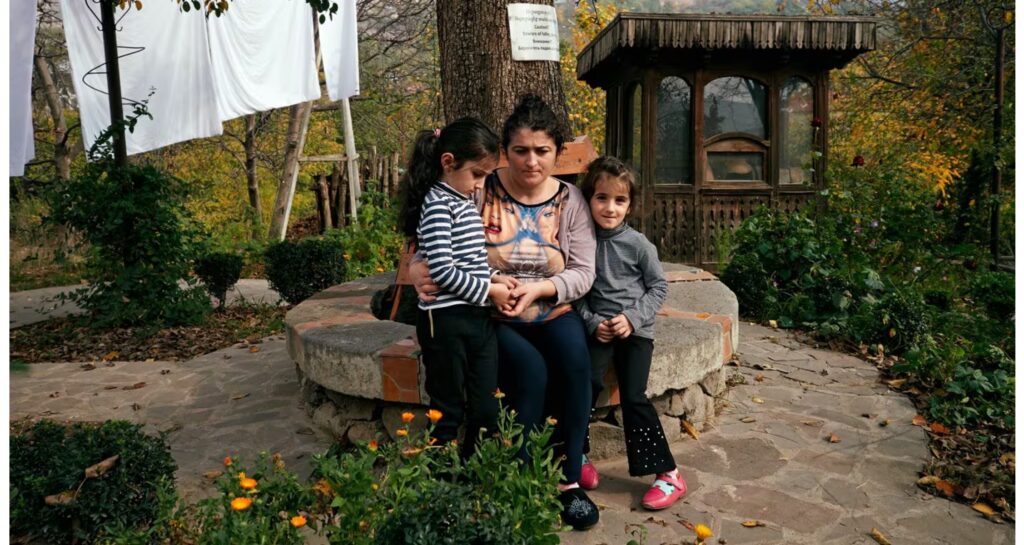
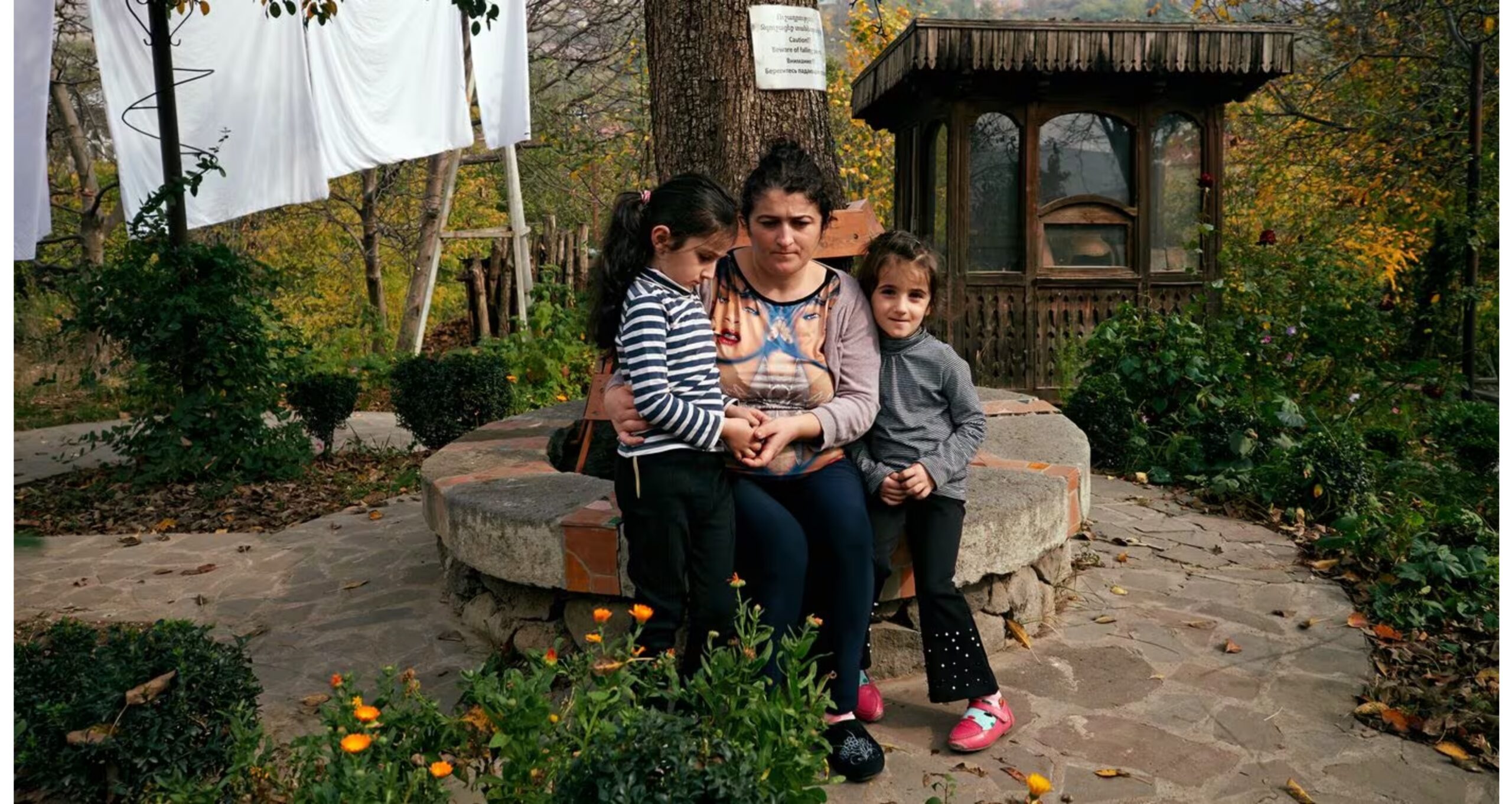
For over 30 years, Artsakh women have survived fierce territorial wars for the right to self-determination and to maintain their Christian and Armenian identities. With husbands and sons defending their territory amidst the first Artsakh war, a shift in traditional gender identity began, making women household heads, breadwinners, caretakers of families, and property defenders. With…

Artsakh Women Demand a Safe Future for their Families and Community

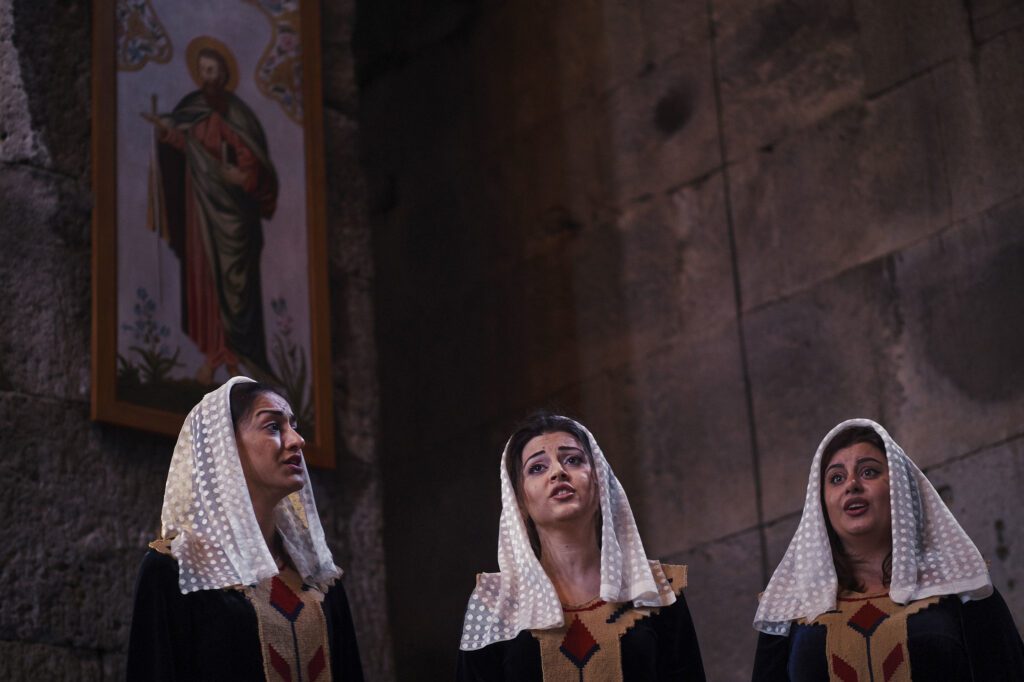
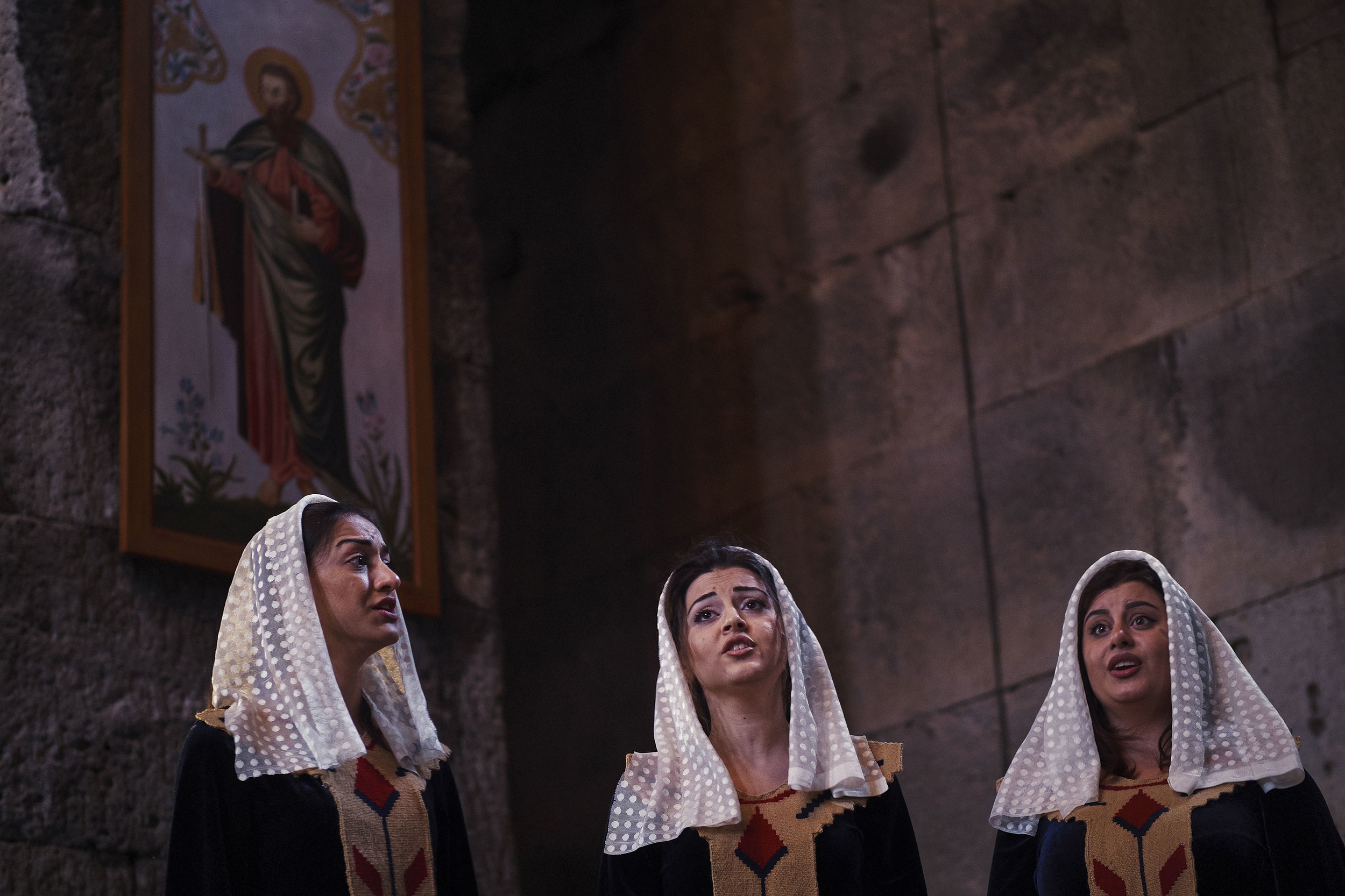
The indigenous Christian Armenian population cherishes the small South Caucasus enclave of Nagorno-Karabakh which they know as Artsakh. Because Armenians were the first nation to accept Christianity as their state religion in 301 AD, Artsakh’s picturesque, rugged terrain of mountains, rich natural beauty, and breathtaking valleys are dotted with centuries-old Christian Armenian cathedrals and monasteries. Since last…

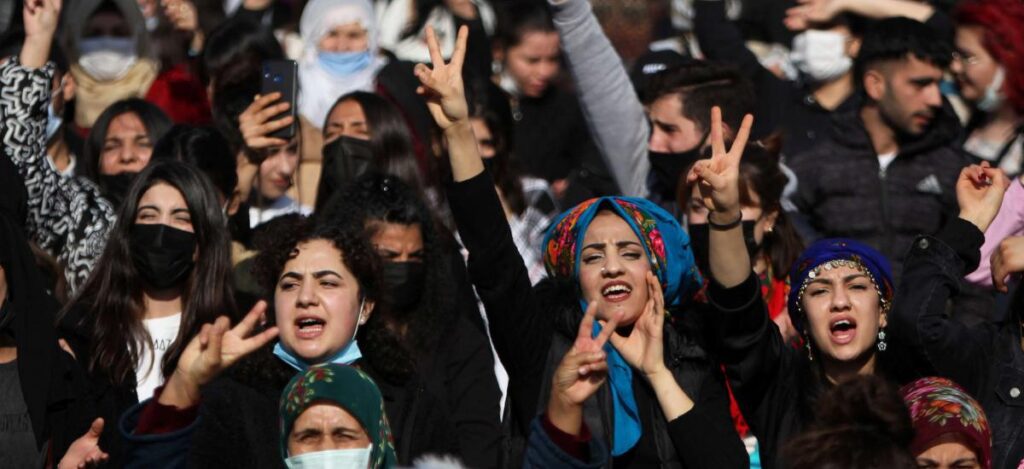
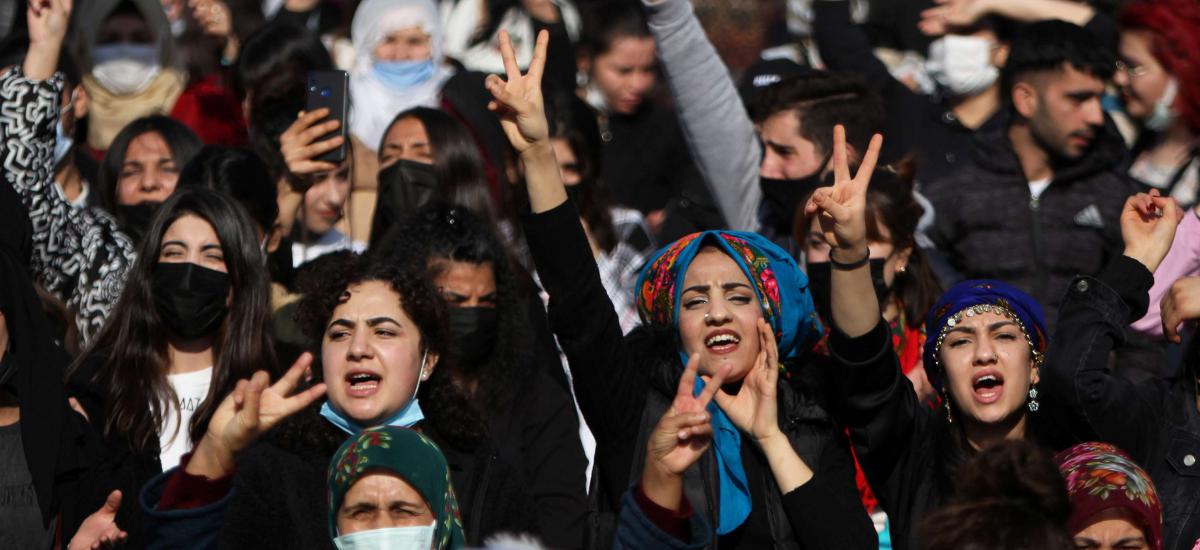
Istanbul Ground Zero: Turkish Women’s Intersectional Sisterhood

Although Turkish women come from different walks of life – religiously observant to secular, traditional to modern, conservative to progressive – they increasingly feel the need to join forces to confront misogyny and the pervasive inequality that characterizes Turkey’s deepening patriarchy. Under the two-decade rule of the Islamist Justice and Development Party (AKP), women’s rights…

Freedom of Thought, Conscience and Religion/Belief – Connecting to the Common Good

The Universal Declaration of Human Rights addresses, not “FoRB” (the abbreviation of Freedom of Religion or Belief), but Freedom of Thought, Conscience and Religion/Belief. Article 18 holds that: “Everyone has the right to freedom of thought, conscience and religion; this right includes freedom to change his [sic] religion or belief, and freedom, either alone or…

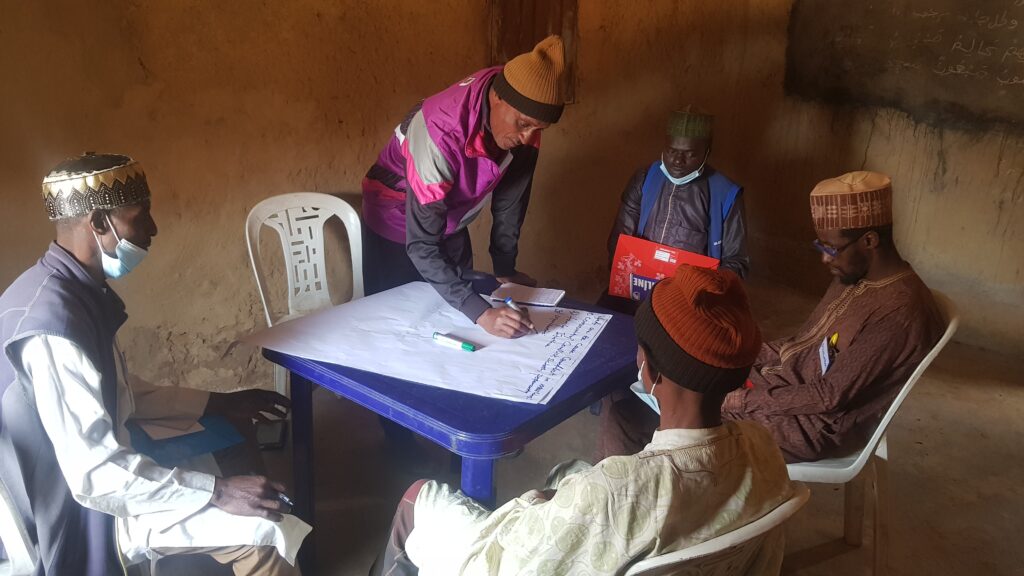
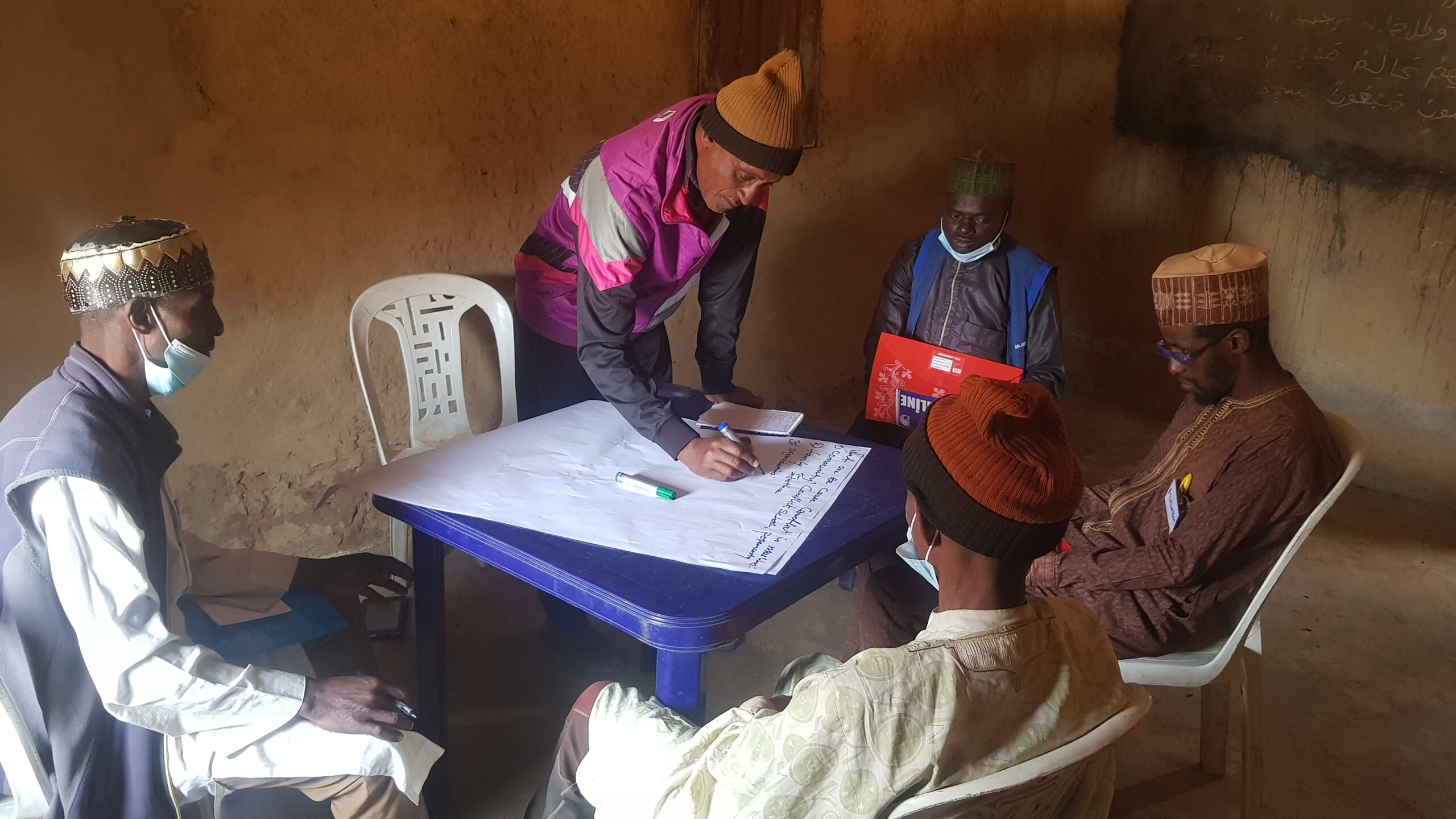
Faith and Peace: Gender Inclusion in Nigeria

Men dominate most positions of power in Nigeria. Conservative and patriarchal religious beliefs and practices in both Islam and Christianity, that often are more about culture than religion, normalize women assuming few, if any, positions of power and authority in the country. Religious leadership, including in religion, is firmly in men’s hands. Many Nigerians learn…

Amplify Your NGO’s Purpose and Impact

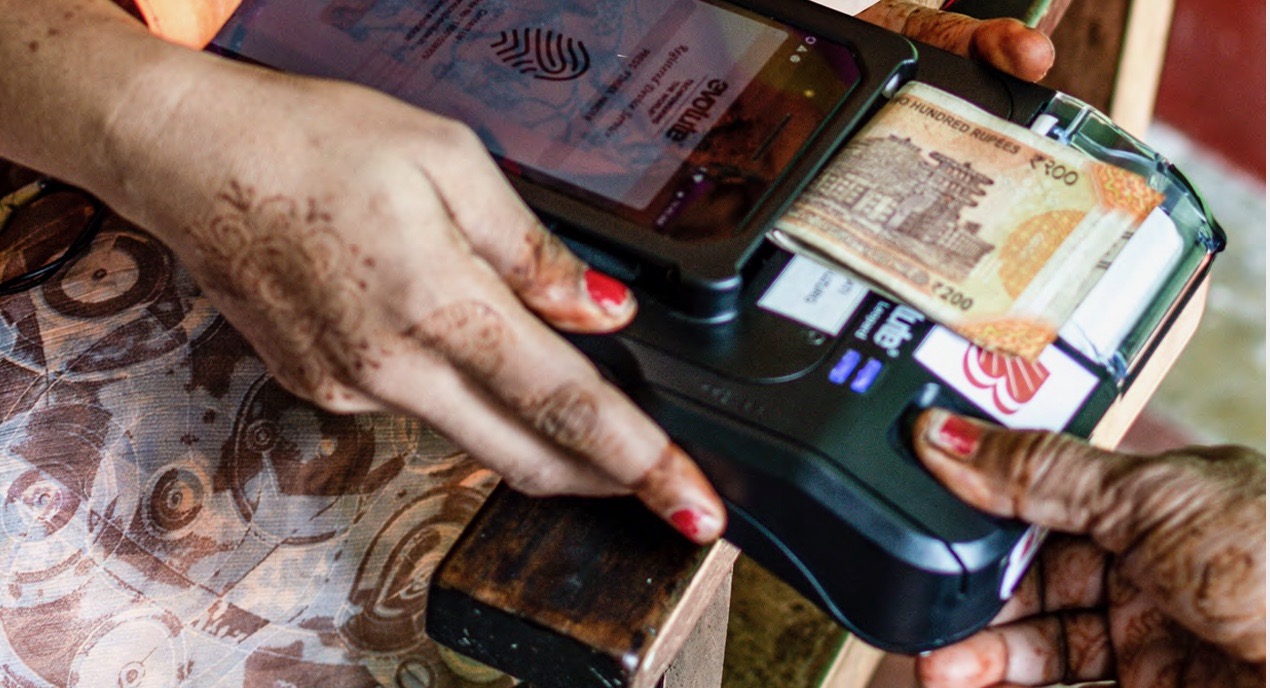
Social enterprises­–organizations and businesses tackling social problems with a mission to uplift and improve people, the environment, or their community–can be both for-profit or non-profit. Socially responsible enterprises, whether non-profits, civil society groups, or NGOs, use creative, sustainable business strategies to meet and achieve social change. Socially responsible enterprises are one of the “largest movements…

The Destiny of Women: #OurStoryIsOne

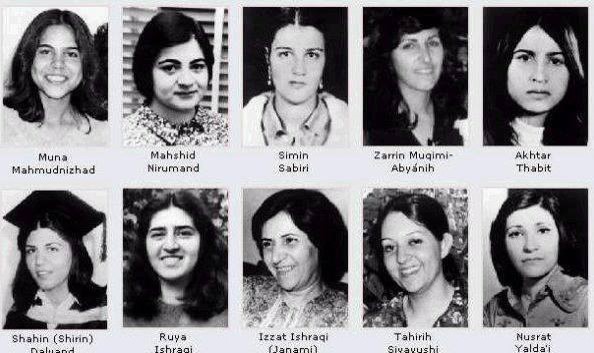
This June marks the 40th anniversary of the Iranian government’s execution of 10 Baha’i women. Their murder underscores the importance of efforts to advance freedom of conscience and gender equality. This campaign for justice touches on many aspects of women’s lives, from the workplace to religious centers to society and the home. Women unfortunately experience…

Temporary Marriage is Never Good for Women

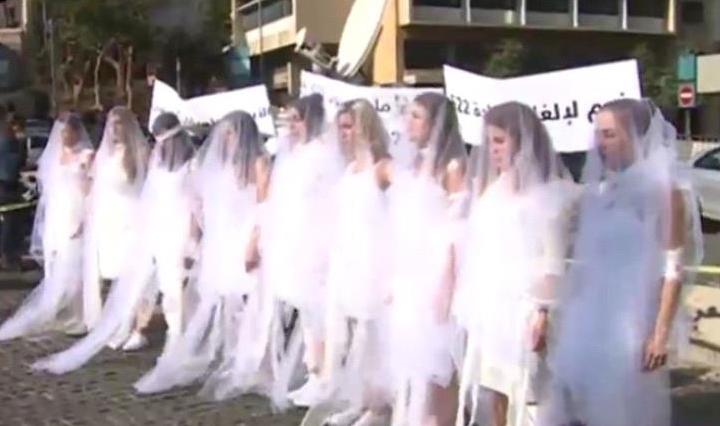
Amidst a deteriorating economy, political uncertainty and regional challenges in Lebanon, I learned more about the status of women during a recent trip there: while the Lebanese government officially recognizes 18 religious groups, each of these groups has its own laws on “family matters.”[1]  Lebanese citizens and legal residents are subject to these “personal status…

Blasphemy: Cries for Help in Nigeria

With every terror attack, I became more vocal. That was when the debates and writings became more critical. What finally made me come out as atheist was a video of a beheading of a female Christian back in 2013 by boys around my age, speaking my language. It hit me that the time for silence…

What it Means to “Protect” FoRB for Women

What does it mean to protect women’s religious freedom? The Universal Declaration of Human Rights designates freedom of religion or belief (FoRB) as an individual right, guaranteed alone or in community with others. It is non-derogable, meaning it cannot be restricted on national security or other grounds. Each category of protected FoRB activity – teaching, practice, worship and observance – reflects a person’s ability to exercise agency. Religious freedom for women…

Read more

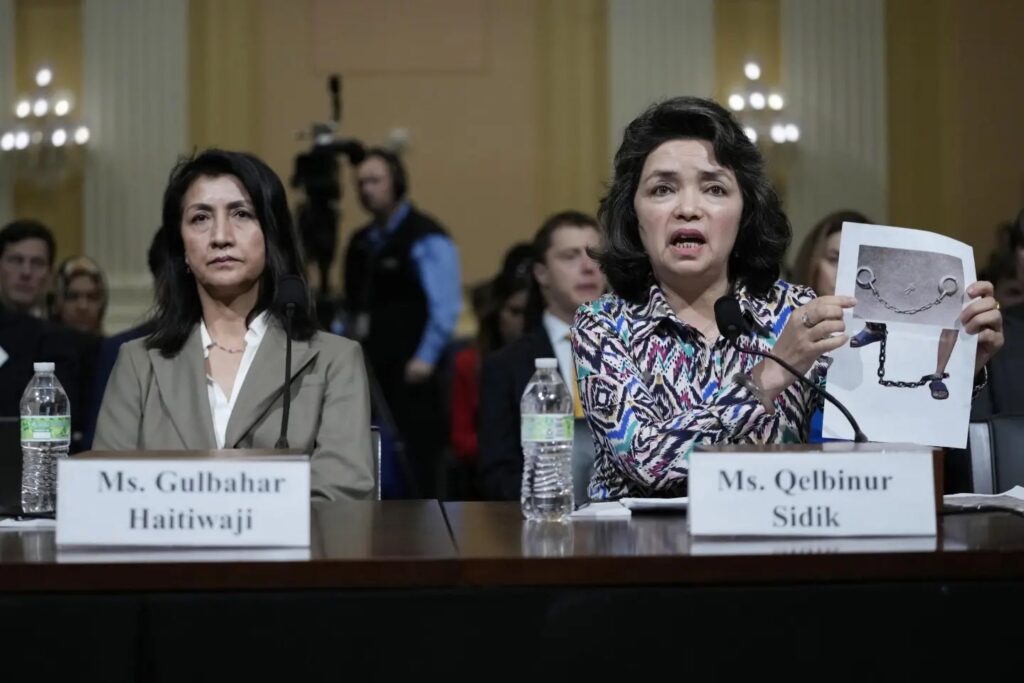
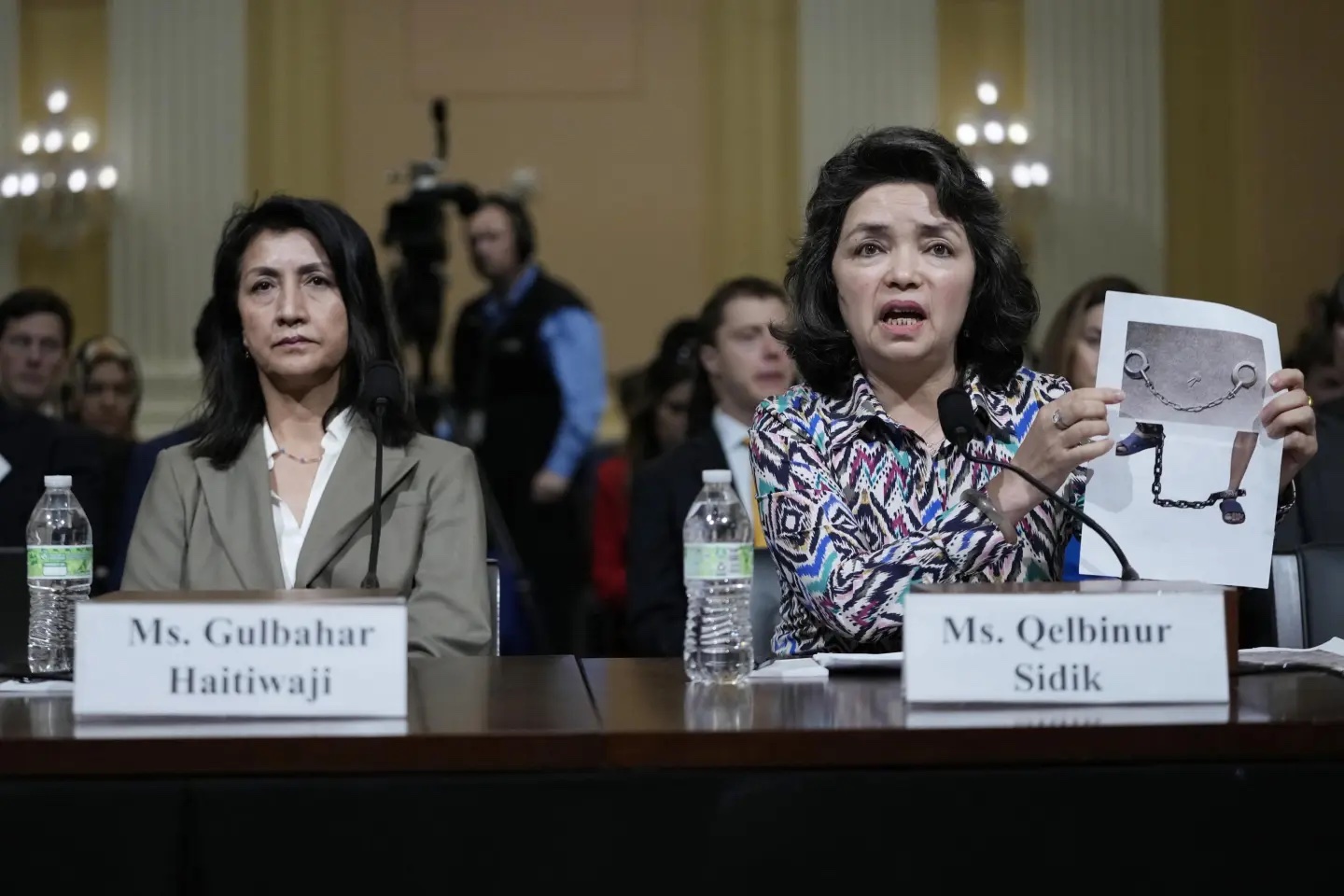
Uyghur Women on Solutions to Violations of Freedom of Religion or Belief

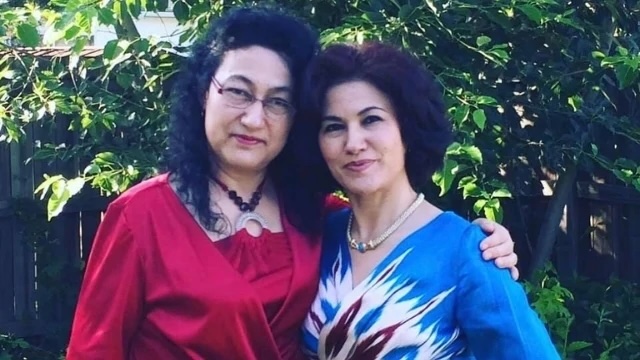
Across continents, Uyghur women are carrying the weight of survival, advocacy, and hope in the face of the Chinese government’s campaign of persecution and repression. They are scholars, organizers, mothers, and leaders who have turned personal loss and exile into collective strength. Two such voices—Rizwangul NurMuhammad and Dr. Dilnur Reyhan—offer a window into how Uyghur…
Read more