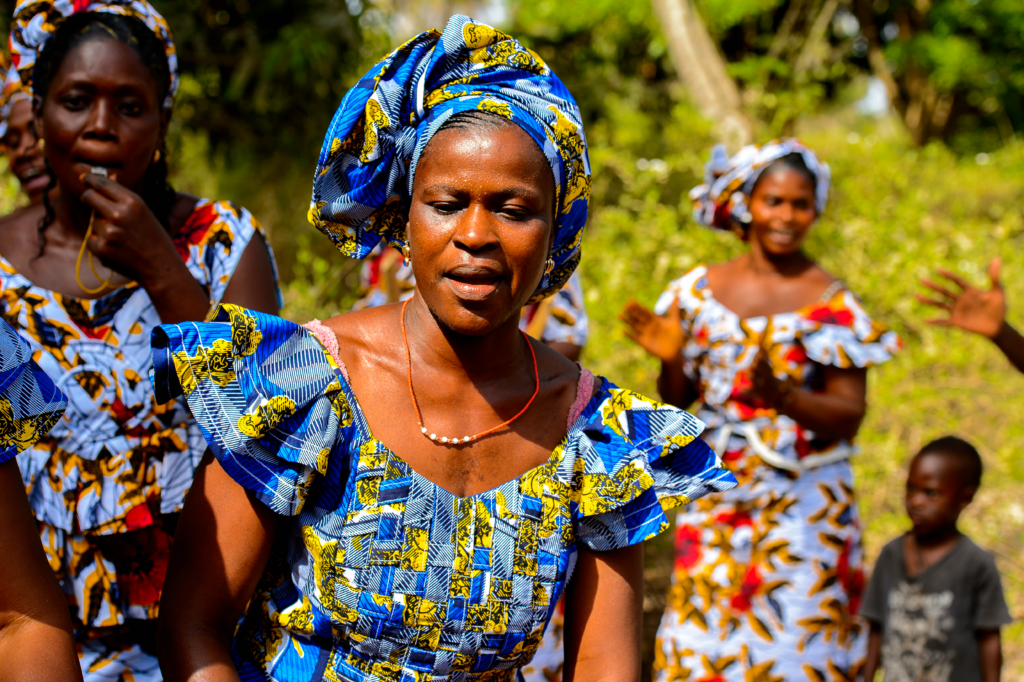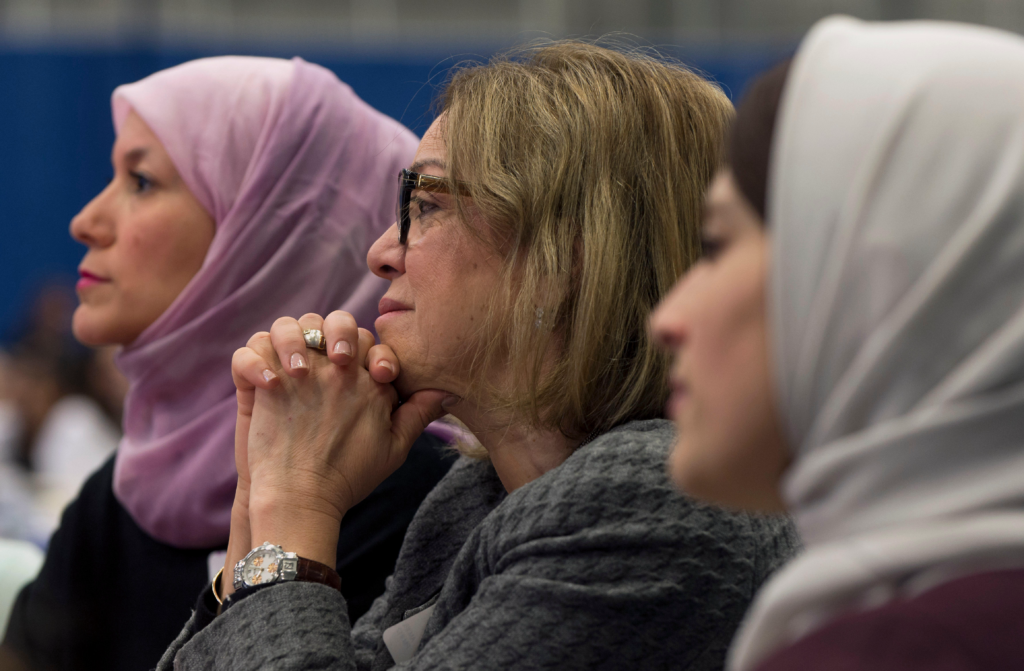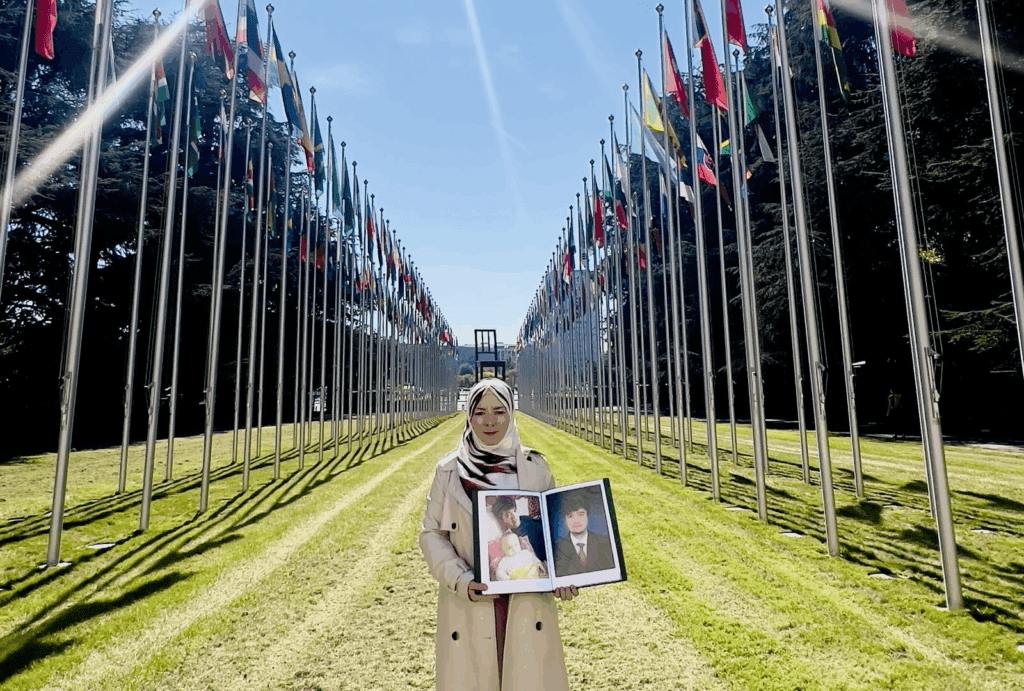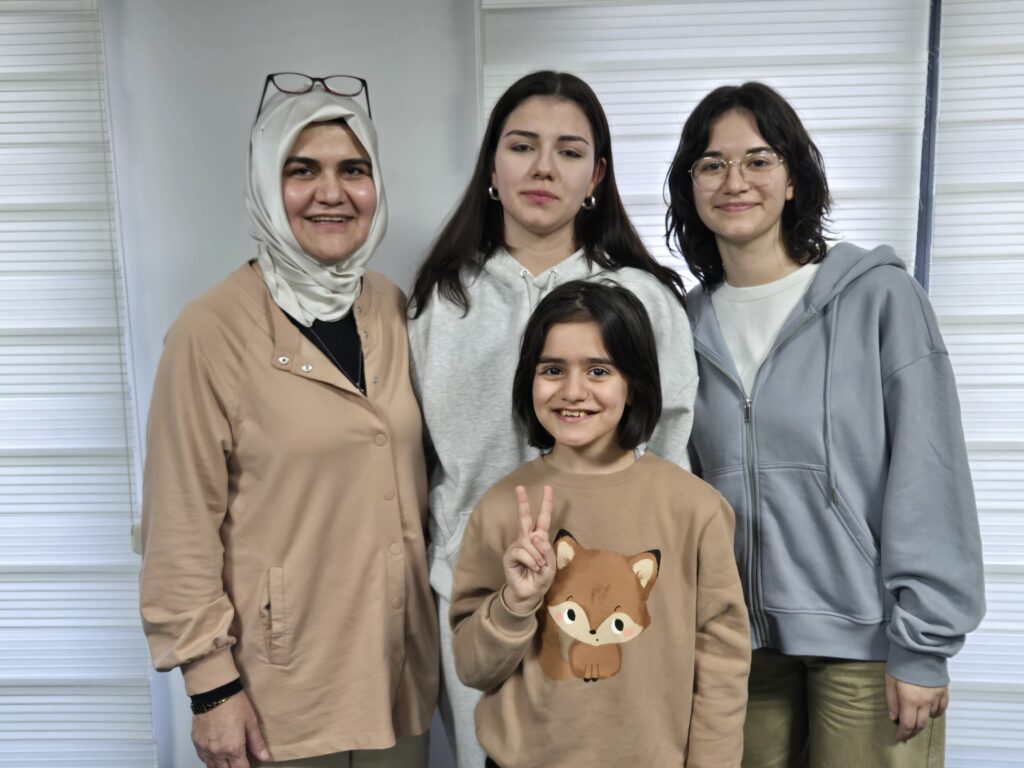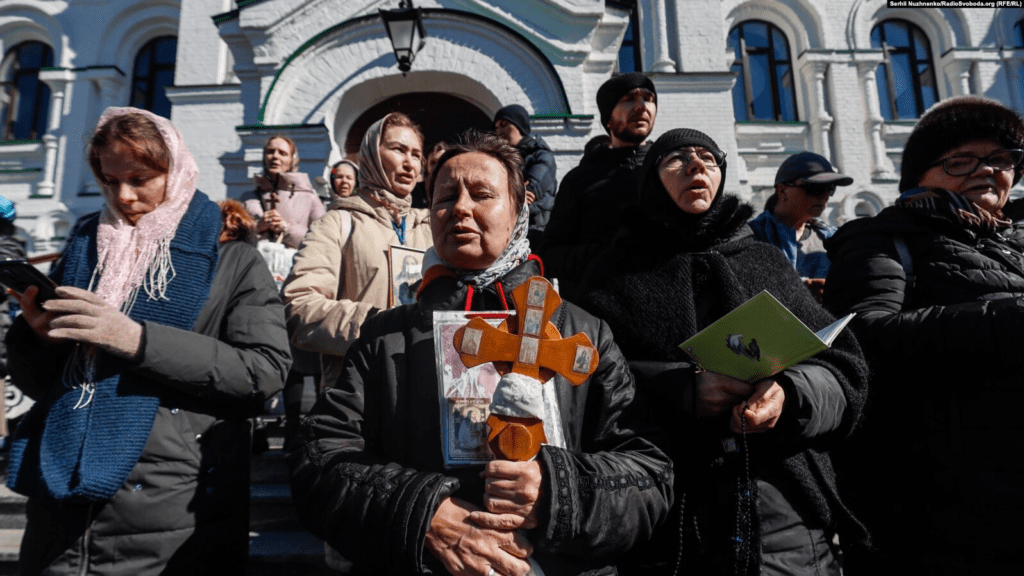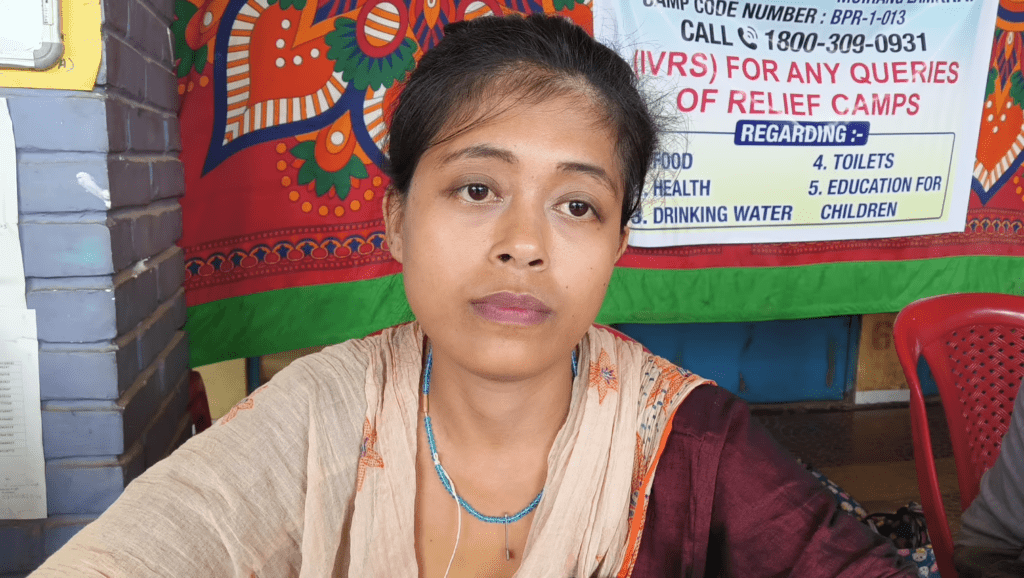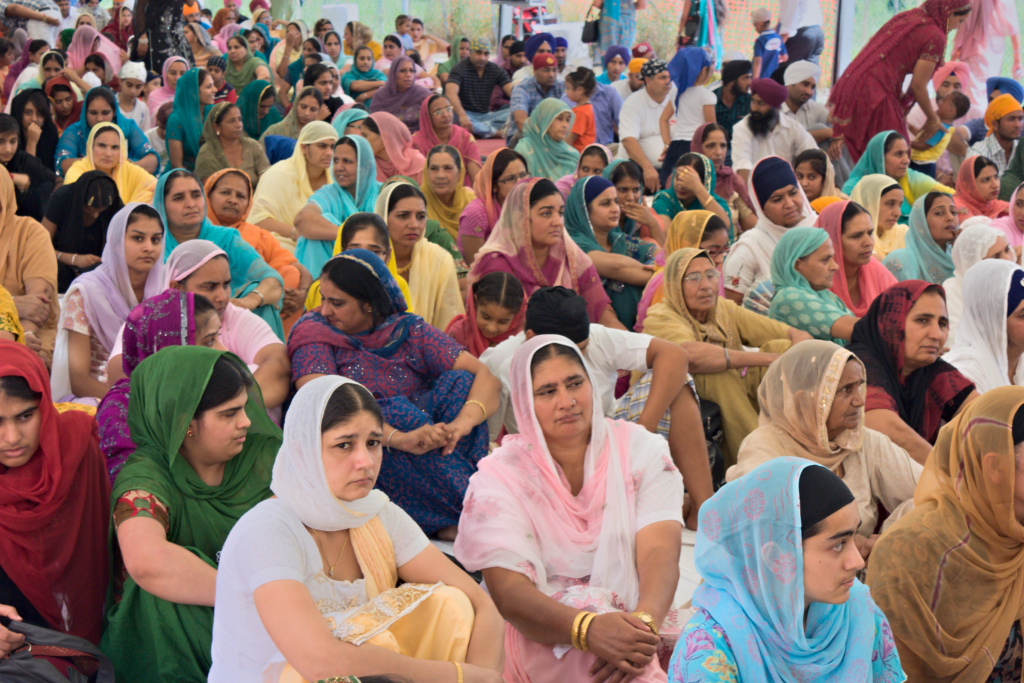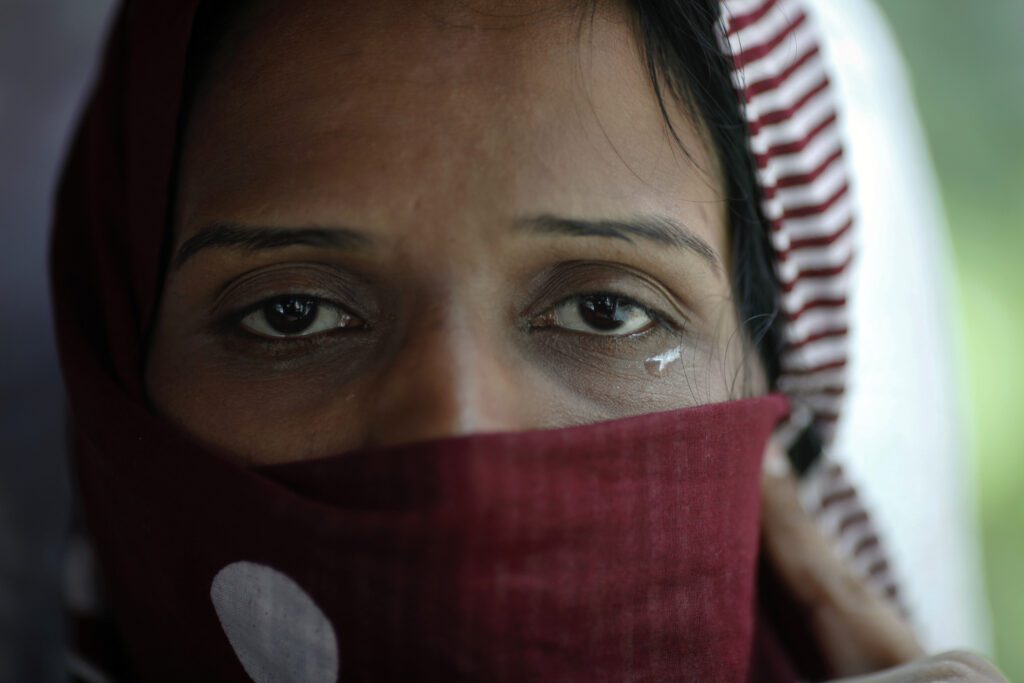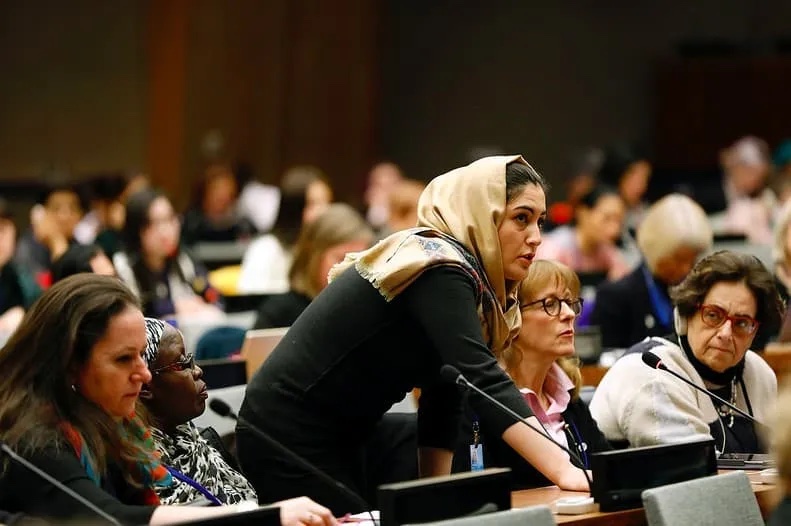
What does it mean to protect women’s religious freedom? The Universal Declaration of Human Rights designates freedom of religion or belief (FoRB) as an individual right, guaranteed alone or in community with others. It is non-derogable, meaning it cannot be restricted on national security or other grounds. Each category of protected FoRB activity – teaching, practice, worship and observance – reflects a person’s ability to exercise agency. Religious freedom for women means the freedom to choose how to engage in each of these activities. If women lack this ability, the universal nature of FoRB for everyone is limited.
For years, and increasingly in 2025, some foreign governments have tried to take away women’s agency to exercise FoRB. They speak of protection but legislate policies that restrict FoRB for women without a lawful basis. Governments make decisions about religion on behalf of women rather than guaranteeing them the freedom to decide for themselves.
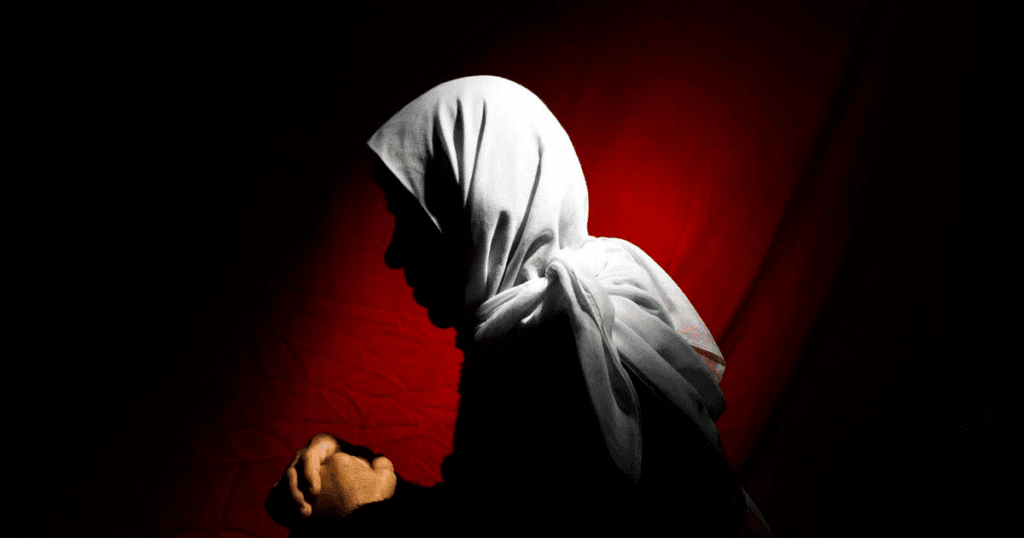
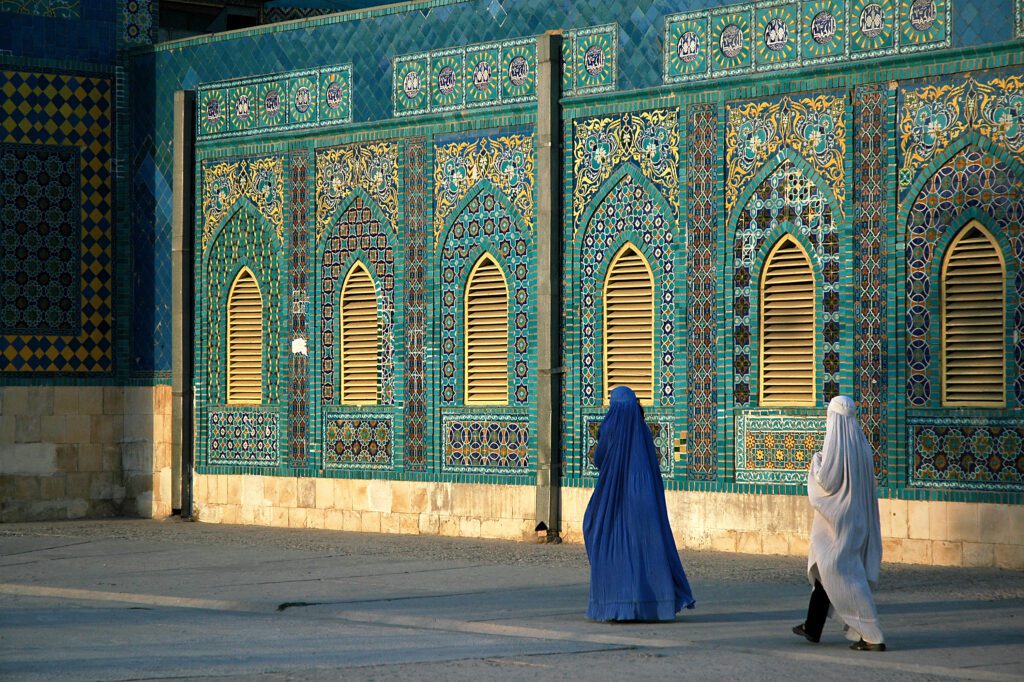
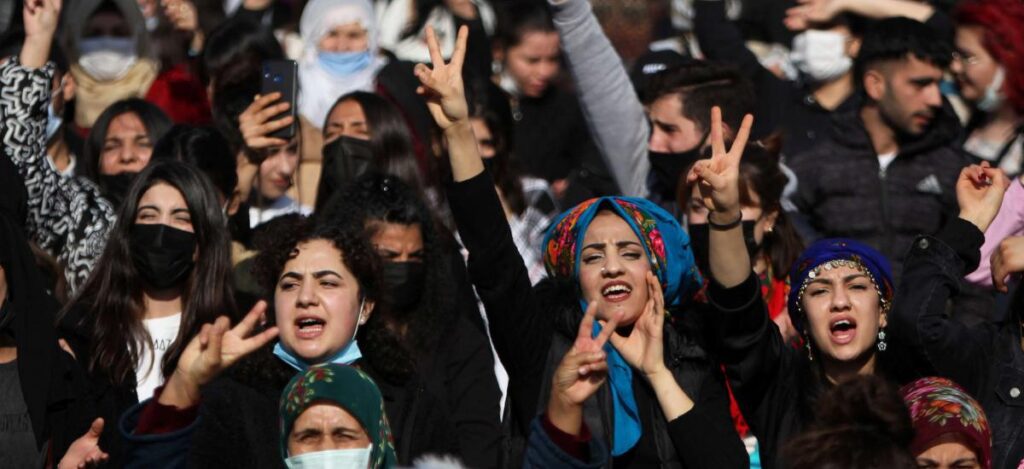
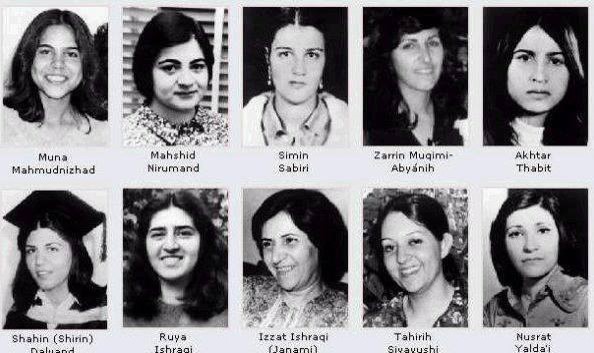
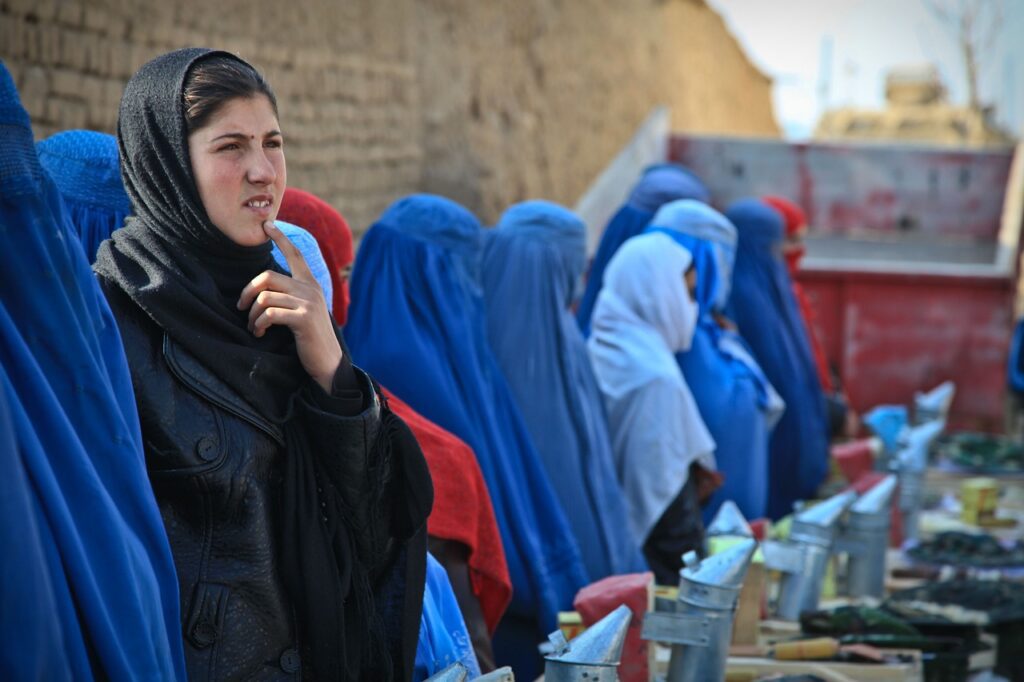
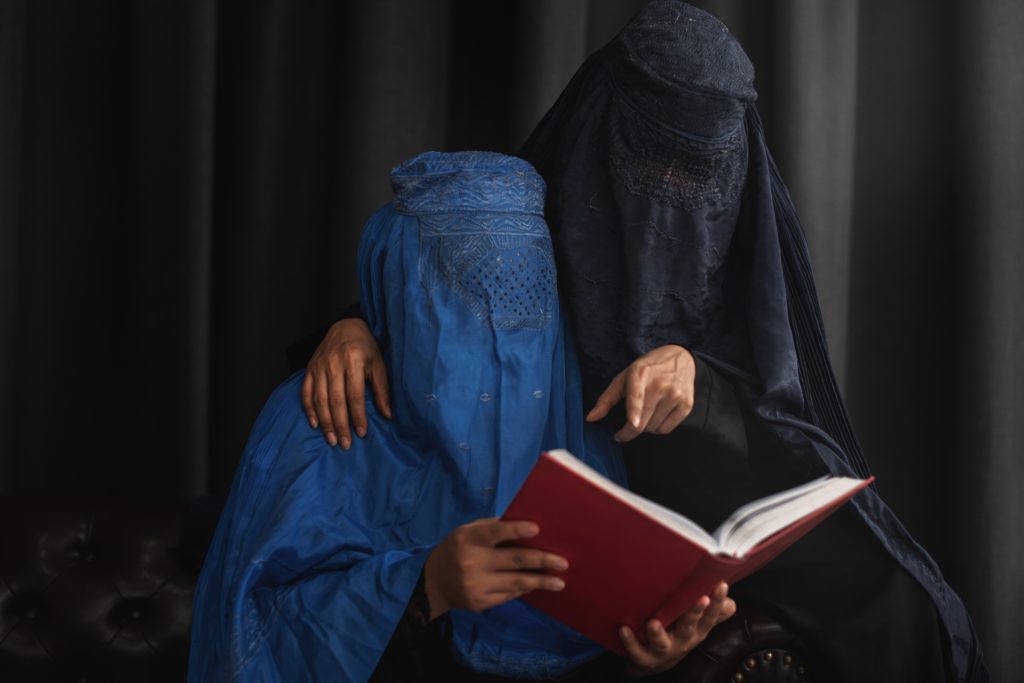
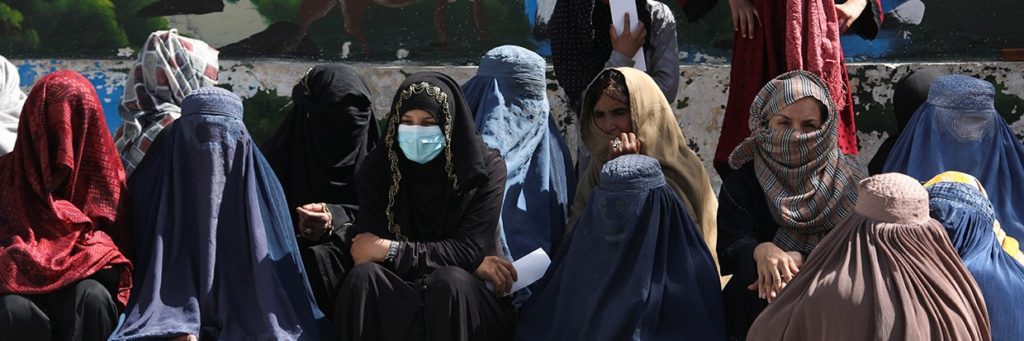
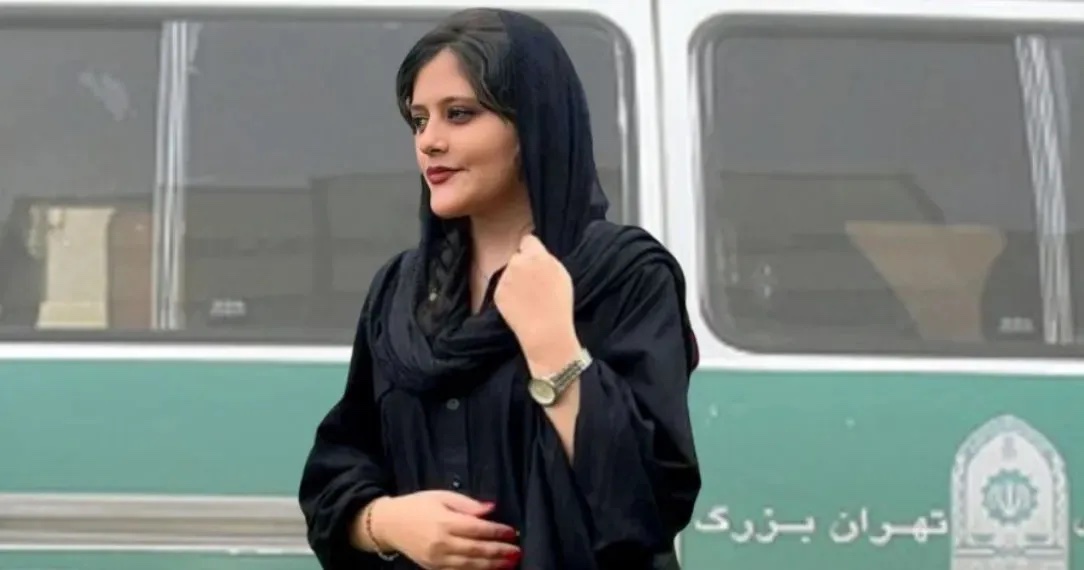
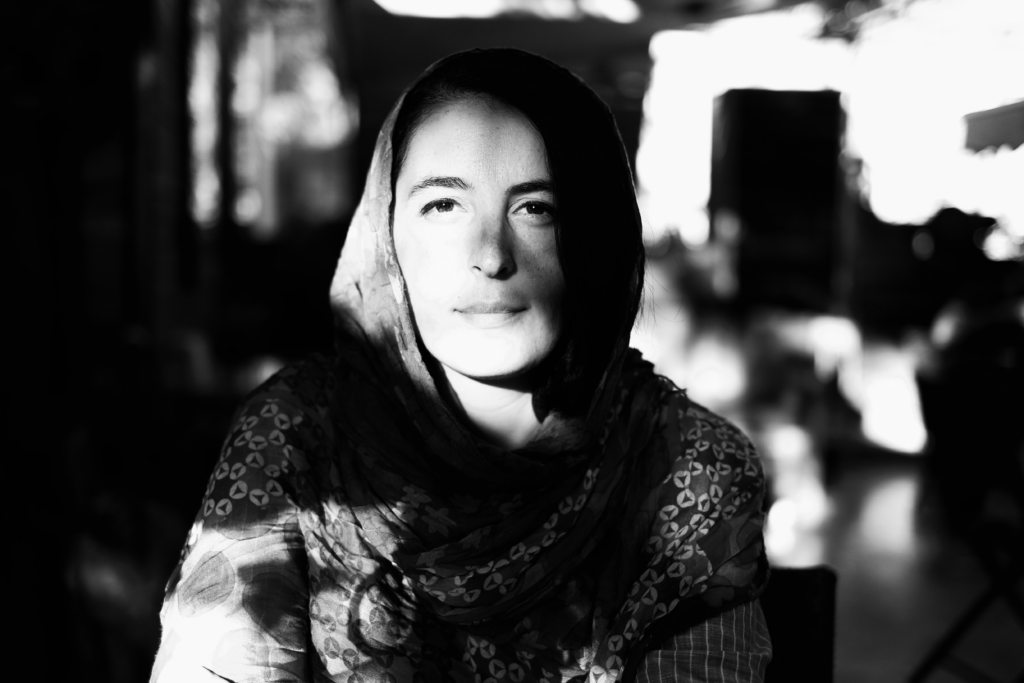
Several examples from 2025 bear out this trend. In Afghanistan, the Taliban imposed draconian measures restricting women’s religious freedom, denying them the ability to choose whether to seek employment, speak in public, or privately recite the Qur’an in their own homes. Iran’s new mandatory head covering law denied Muslim women the ability to choose whether or not to cover their hair as a matter of faith. It also forced non-Muslim women – including Christians and Baha’is – to cover their hair in ways not mandated by their religious beliefs.
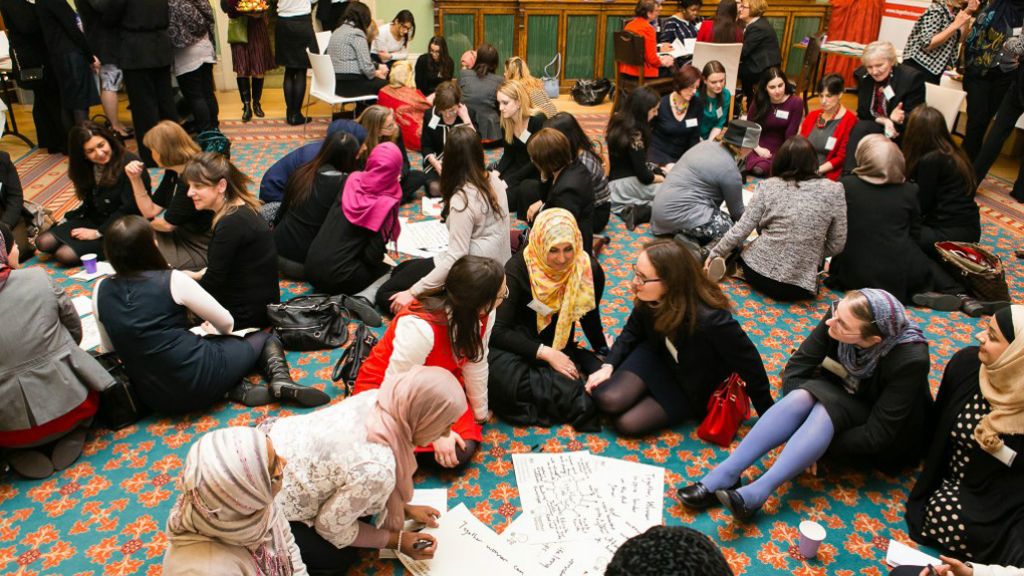
Restrictions on religious garb in Europe framed in similar paternalist terms were significantly less harmful to women, but reflect concerning restrictions nonetheless. Across the continent in 2025, governments passed laws restricting religious garb and denying women the freedom to choose how they dress in public spaces consistent with their religious beliefs. Governments justified such bans on vague and presumptuous grounds that fall well short of lawful restrictions on FoRB.
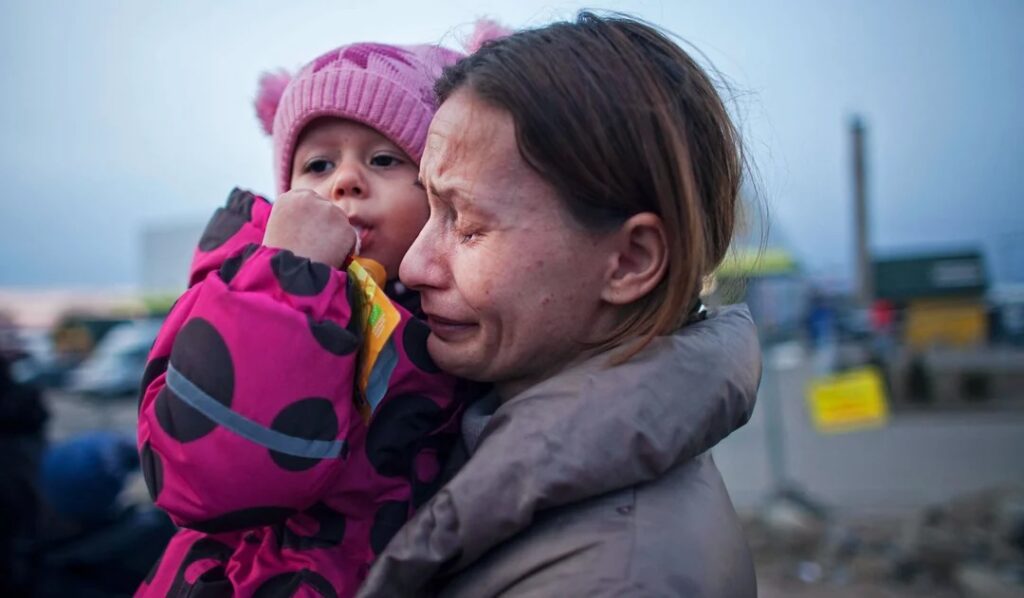
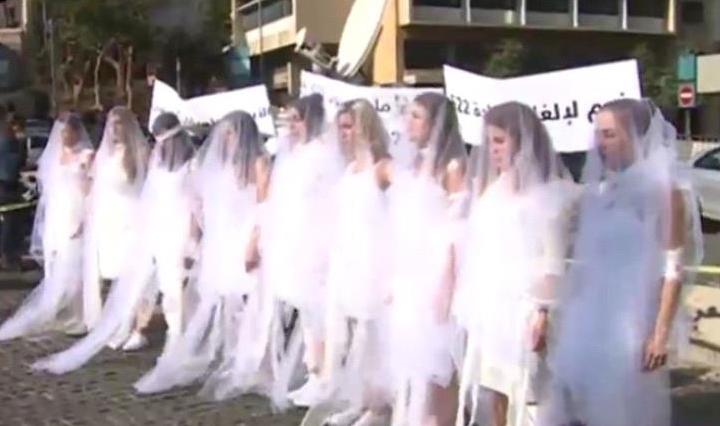
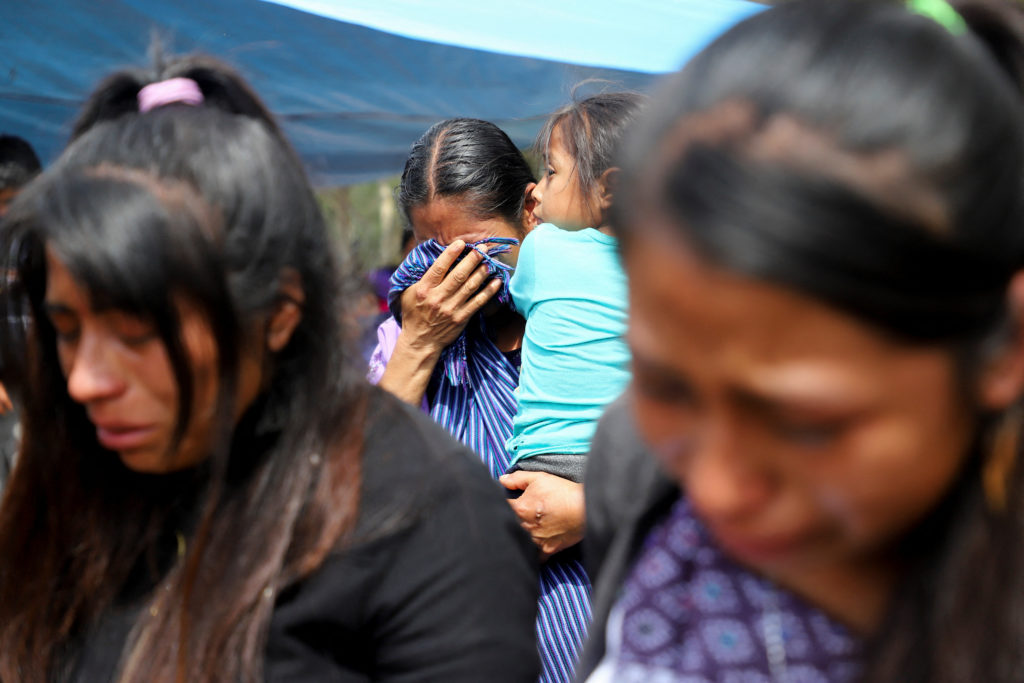
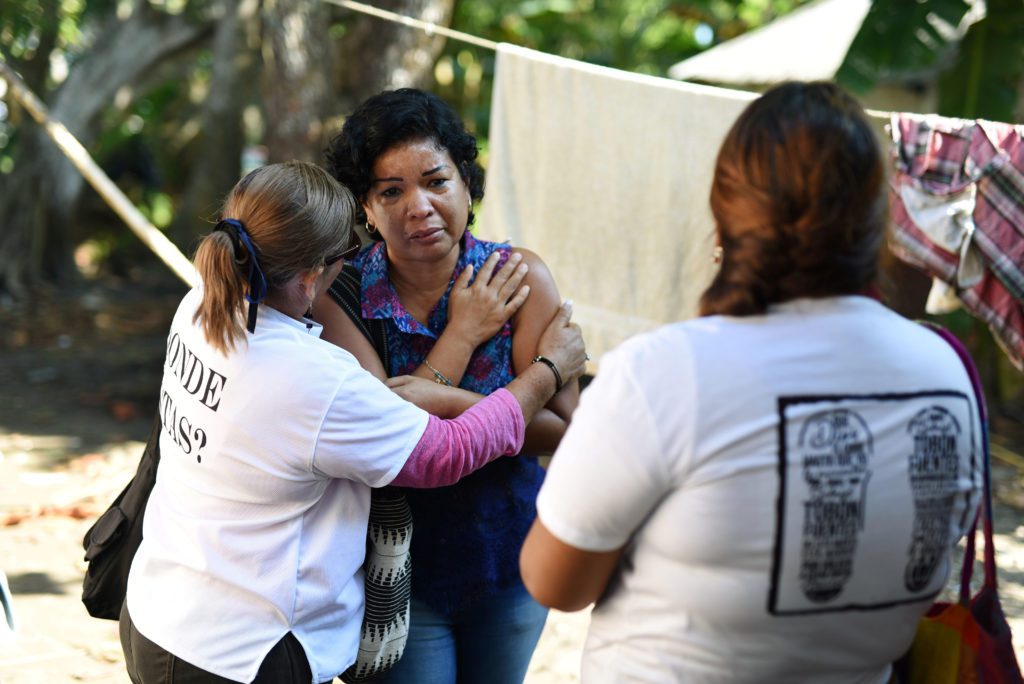
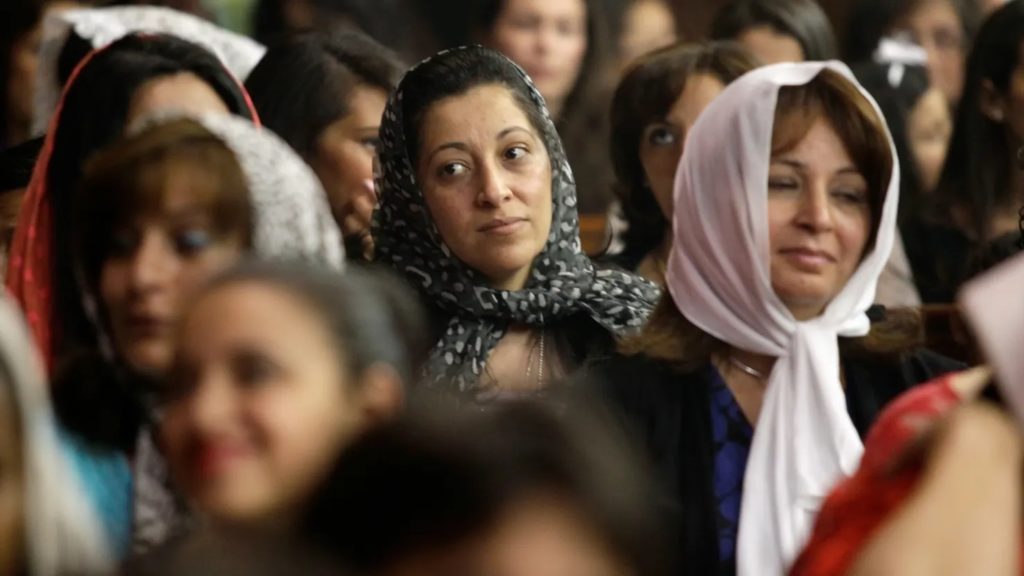
In stark contrast, other governments have looked the other way where women need genuine protection. Syria’s transitional authorities continue to tolerate the kidnapping of Christian, Alawite, and Druze women and girls. Egypt’s government continues to fall short in its investigations of the disappearance of Coptic women. Governments in the Sahel have failed to rein in groups like the Islamic State – West Africa Province (ISWAP) which cites religion as a justification for abducting women and girls and forcing them to marry against their will. Women from each of these communities report that their religious identity makes them vulnerable to sexual and gender-based violence (SGBV). It is nearly impossible to reconcile governments’ claims they are protecting women when such religious freedom violations remain ongoing and systematic.
Religious freedom for women is an issue for everyone. FoRB protections cannot be universal when more than half the world’s population remains vulnerable to arbitrary restrictions on the basis of their gender. Those who tolerate exceptions to FoRB for any community open themselves to restrictions on themselves. The power of collective action on FoRB rests in the recognition that universal freedoms apply to everyone.
In this tumultuous global political environment, the United States should redouble its commitment to core values including freedom of religion or belief. Now more than ever, the world needs bold U.S. leadership on protecting FoRB for women. The United States should continue to support the monitoring of FoRB violations aboard, including those targeting women. It should prioritize effective and efficient support of women abroad whose FoRB is at risk. Finally, it should continue to unapologetically raise religious freedom concerns facing women in public and private engagements with high level foreign officials.
Scott Weiner is a professorial lecturer in political science at George Washington University.