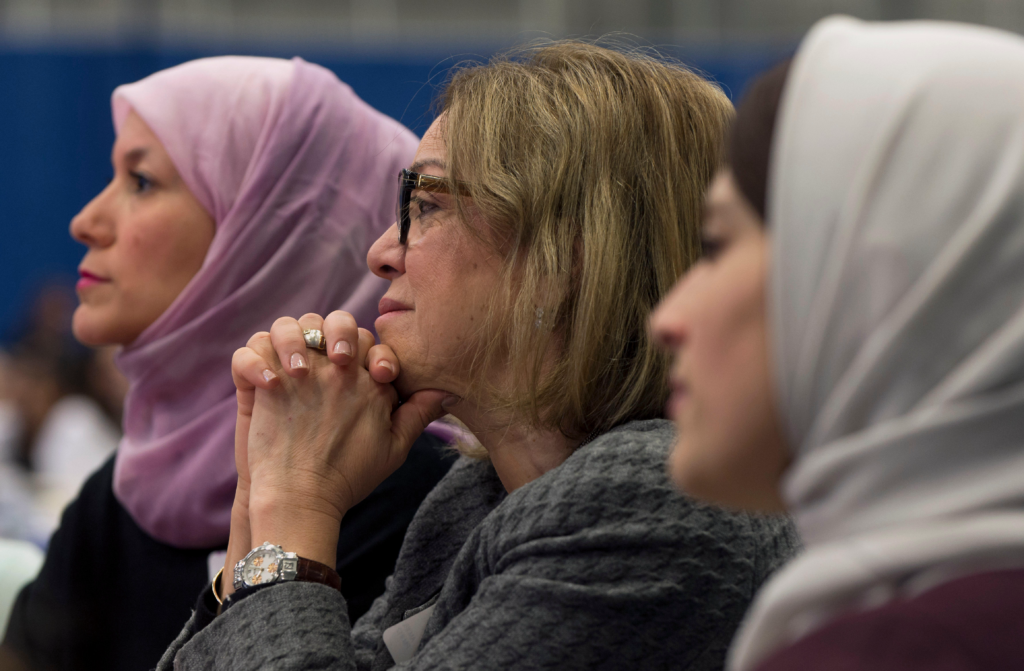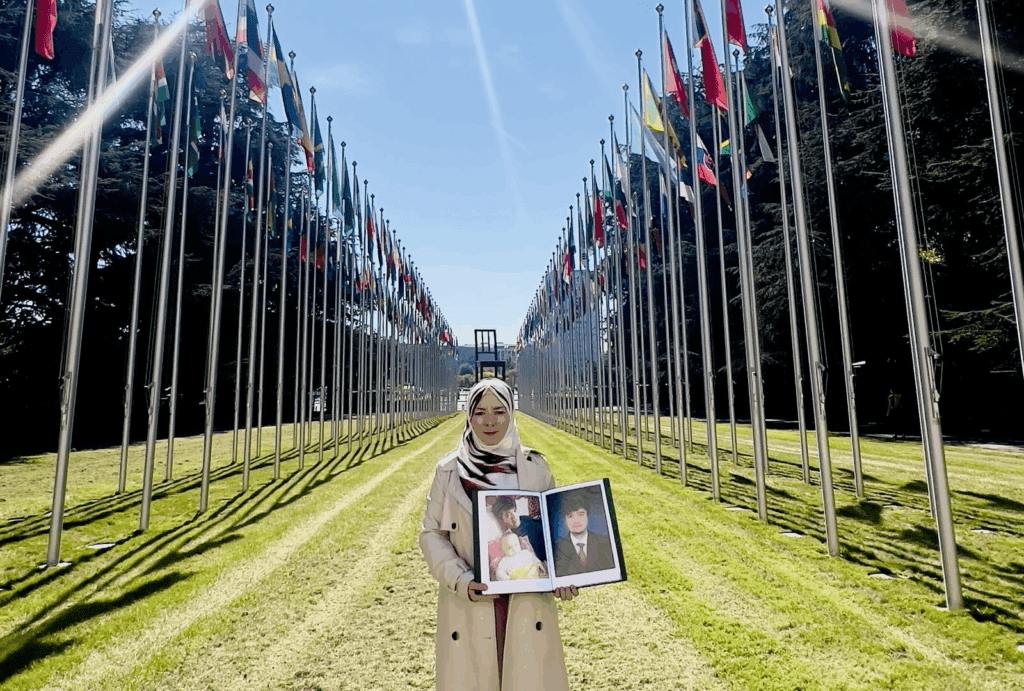
In many parts of Africa and across the Global South, long before formal courts became prevalent, disputes often were first taken to chiefs’ palaces, elders’ councils, or customary and religious authorities. These systems were not only mechanisms of dispute resolution but also spaces where social norms, including religious beliefs, were interpreted and enforced. As such, they have long shaped how rights are experienced in practice for women.
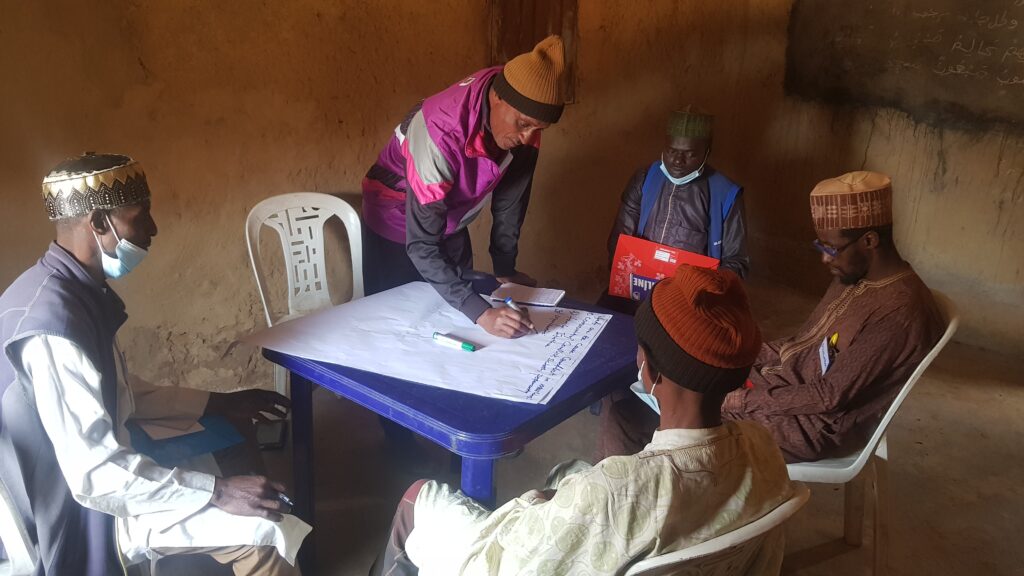
Among the Igbo in southeastern Nigeria, for example, justice was advanced traditionally through customary dispute resolution embedded in kinship structures, particularly the umunna (patrilineal kin group), village elders, and community assemblies. These forums operated on the principles of collective deliberation, restorative justice, and social harmony. While women were not always direct decision-makers within these structures, their disputes and rights, particularly those relating to marriage, inheritance, or domestic relations, often were mediated through male kinship representatives.
A similar system exists in South Asia. In India, local panchayats, grassroots self-government institutions, historically have served as village-level dispute-resolution mechanisms. Following decentralisation reforms under the 73rd Constitutional Amendment (1992), they now operate in both constitutional and informal capacities. In Pakistan and Afghanistan, jirgas continue to function as informal tribal councils in some rural areas, resolving disputes relating to family matters, social conduct, and land.
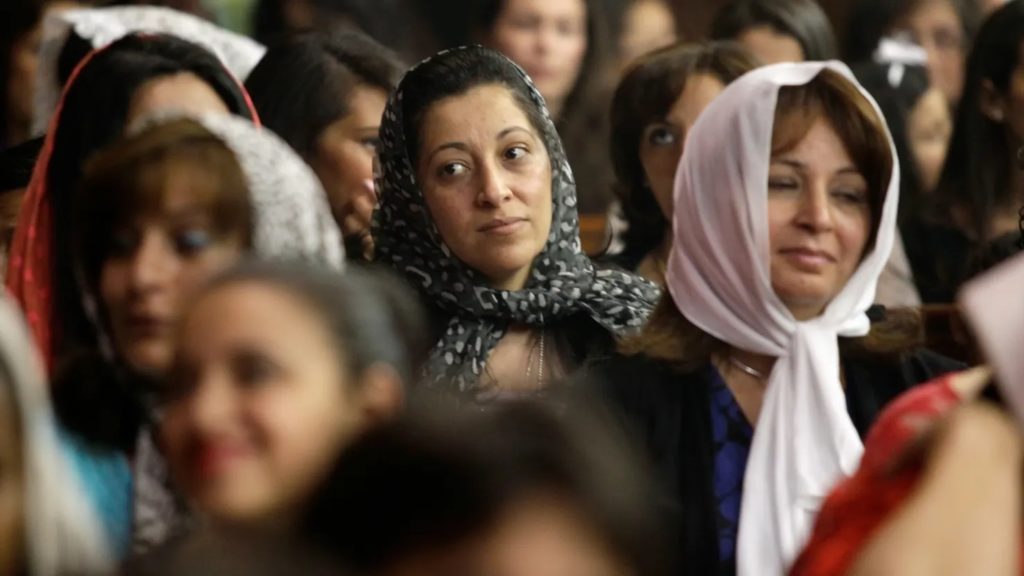
Alongside these customary and communal systems, religious leaders also play a central role in shaping how women’s rights are understood across much of the Global South. Imams, pastors, and other faith leaders often serve as moral authorities whose interpretations of doctrine guide community behaviour. Women frequently turn to them, particularly where they seek confidentiality and culturally legitimate pathways to resolving disputes or seeking protection. Their actions reflect the strong social legitimacy of religious institutions, which often are among the most accessible sources of authority in everyday life. In this sense, freedom of religion or belief (FoRB) is a lived reality, shaped by how religious norms are interpreted and applied at the community level.
The expansion of formal justice systems across the Global South, largely shaped by colonial legal transplants and post-independence state-building, introduced codified laws, courts, and procedural safeguards intended to standardise justice and guarantee rights. In theory, these systems were designed to provide equal protection under the law, including for women, through constitutional guarantees, statutory frameworks, and regional and international human rights obligations, such as the Maputo Protocol, a landmark, legally binding, comprehensive women’s rights treaty the African Union adopted in 2003 and implemented in 2005, or the Convention on the Elimination of All Forms of Discrimination Against Women (CEDAW).
However, the emergence of formal legal systems did not displace customary and religious authority structures in enforcing rights. Instead, it produced layered systems of legal pluralism, where multiple sources of authority coexist, sometimes reinforcing each other, and at other times operating in tension.
These informal systems are not without challenge. In many settings, they reflect and reproduce patriarchal norms that shape outcomes for women. Women’s claims may be mediated through male authority structures, and decisions may be influenced by expectations of silence or preservation of family reputation. While such systems may offer accessible pathways to resolution, they also can generate pressure on women to prioritise reconciliation over individual claims to protection or justice (UN Women, 2012; Human Rights Watch reports on informal justice systems). Women-led initiatives such as Nari Adalats (women’s court) in India and Khwendo Jirga (Sister’s Council) in Pakistan emerged in some contexts as alternative dispute resolution spaces to provide more accessible and gender-responsive forums for justice, particularly in relation to domestic violence, property, and matrimonial disputes.
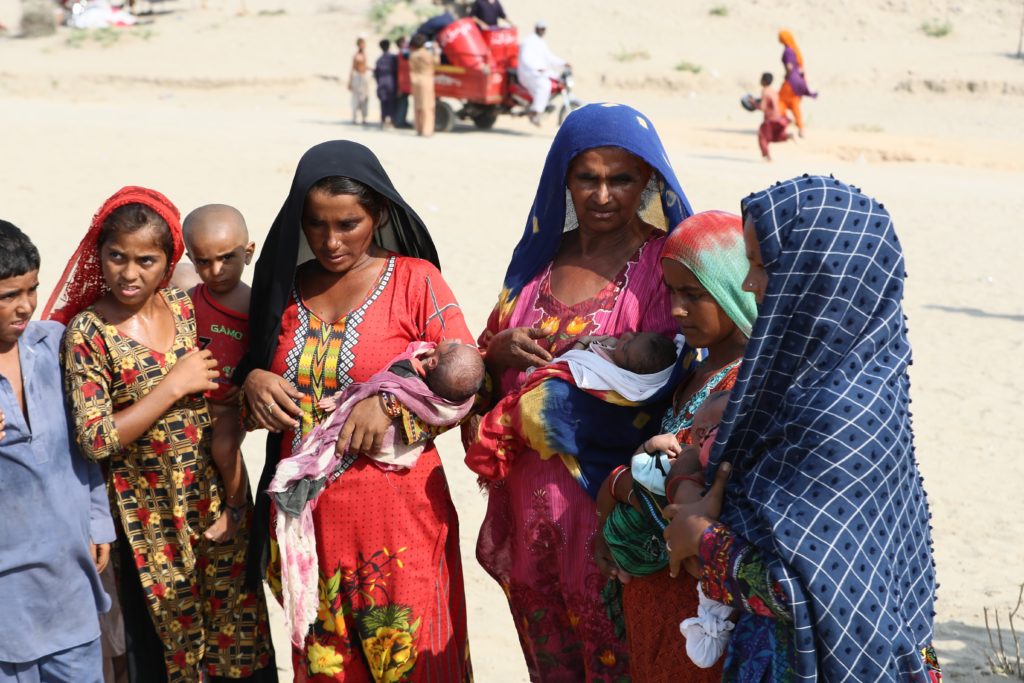
Yet, dismissing these systems entirely risks overlooking a critical reality: for many women, particularly those in rural and underserved communities, formal justice systems remain out of reach. Globally, a significant proportion of women, about 43% according to World Bank estimates, live in rural areas, with limited access to courts, legal representation, or state institutions. Rural women represent a large portion of the world’s poor, often facing inadequate access to financial services, education, and technology. For these women, informal and community-based systems are not alternative pathways; they are the primary, and sometimes only, avenues through which their rights can be protected.
The challenge, therefore, is to recognise the enduring role of religious and cultural leaders as gatekeepers of women’s rights, and to reimagine how that role functions within a broader justice ecosystem. International frameworks increasingly reflect this approach. The CEDAW Committee, in its General Recommendation No. 33 that focuses on women’s access to justice, emphasises that improving such access requires engaging with both formal and informal systems, while ensuring that all mechanisms comply with principles of equality and non-discrimination. Similarly, the Maputo Protocol calls for the transformation, not the erasure, of cultural and social practices that undermine women’s rights.
This recognition points to the need for a necessary shift, from viewing customary and religious systems as inherently problematic, to recognising their potential as complementary actors within a plural justice framework. When appropriately engaged, supported, and aligned with human rights standards, these systems, and the leaders who operate within them, can serve as critical bridges between women and formal justice mechanisms.
Such a bridge is particularly significant in relation to freedom of religion or belief (FoRB). Religious authority is one of the primary ways in which FoRB is experienced in practice. Where interpretation of doctrine supports inclusion and protection, FoRB expands in substantive terms. Where it reinforces silence or discrimination, it risks constraining women’s ability to exercise their rights within religious and community contexts.
Ensuring that religious and cultural leaders act as enablers is therefore essential to preserving the integrity of FoRB, so that it is not invoked to justify the denial of women’s rights, but instead contributes to their protection.
Oluwafunke Adeoye, or Funke as everyone calls her, is a lawyer, human rights defender, social innovator, and young global leader. She is also the Founder and Executive Director of Hope Behind Bars Africa, an organization that promotes human rights and criminal justice reforms using legal aid, research, evidence-based advocacy, and technology. Funke has led interventions that amplified the work of grassroots advocates across sub-Saharan Africa and saved hundreds of indigent and unlawfully incarcerated persons.