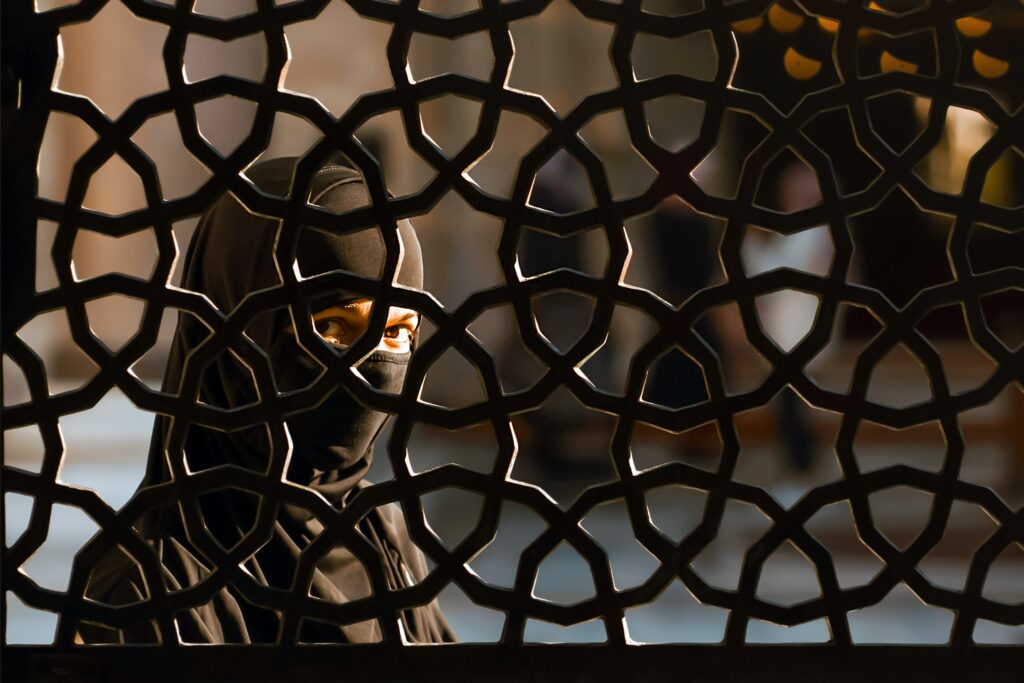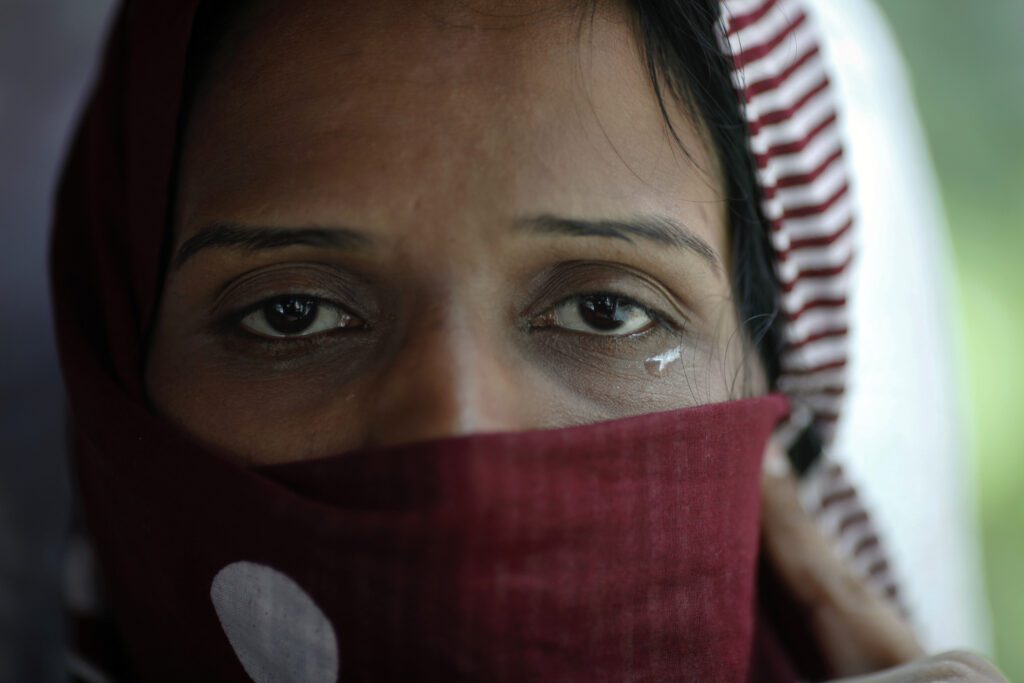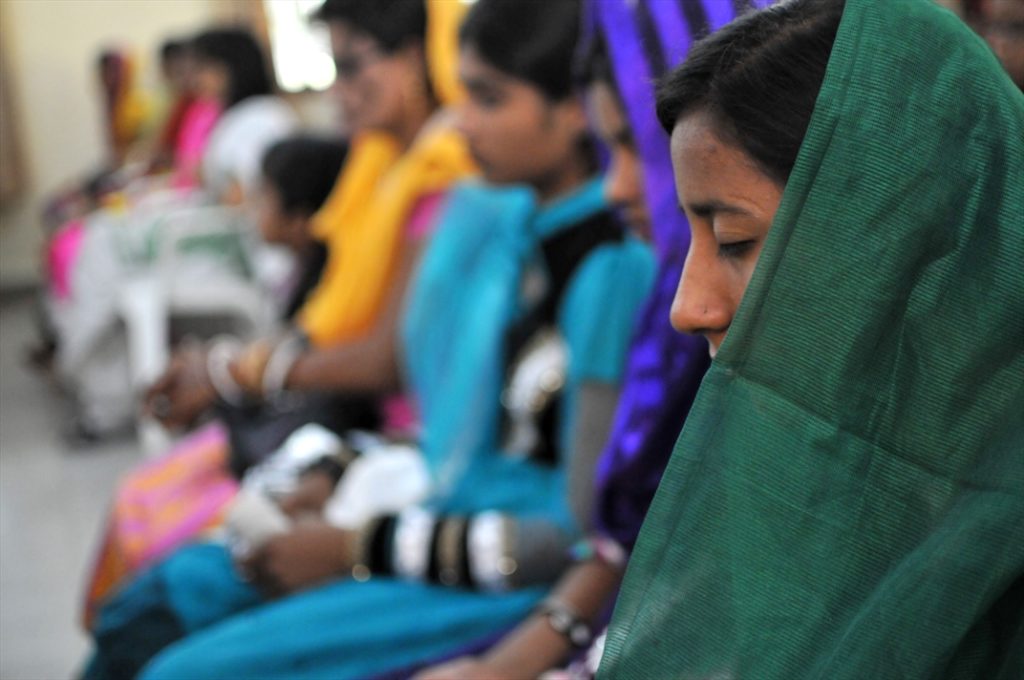
Where do you feel safest? Safe enough to share, to express yourself without being judged, erased, or doxed? Why do you feel safe there? What makes it safe for you?
Well, in the world we live in today, it is not easy to find spaces where we can be our real selves. The political climate, the literal climate… so much is at stake. Especially for those who feel most vulnerable: immigrants, people of color, Muslims, Jewish people, women, LGBTQ individuals, youth… Now calculate what it means to stand at the intersection of several of these identities.
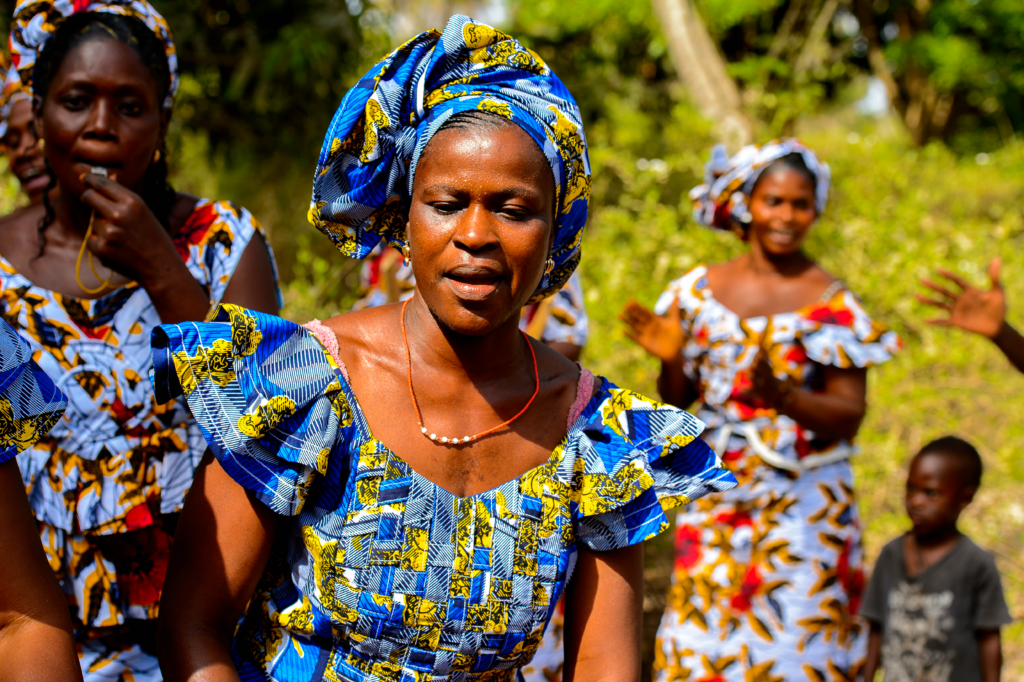
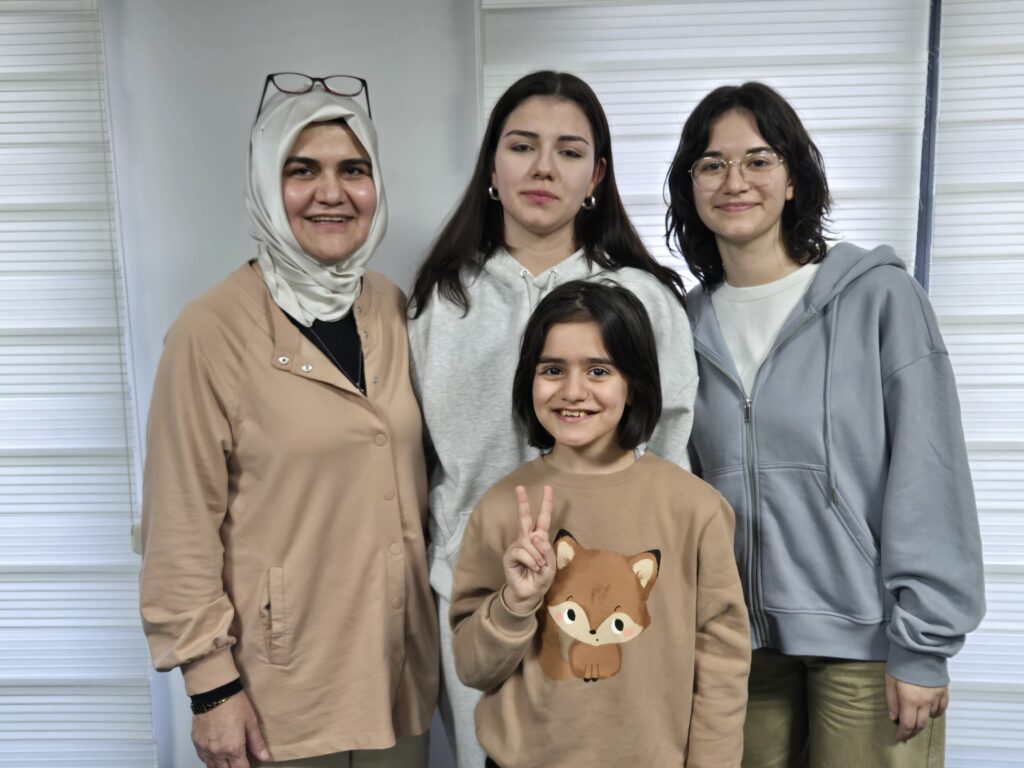
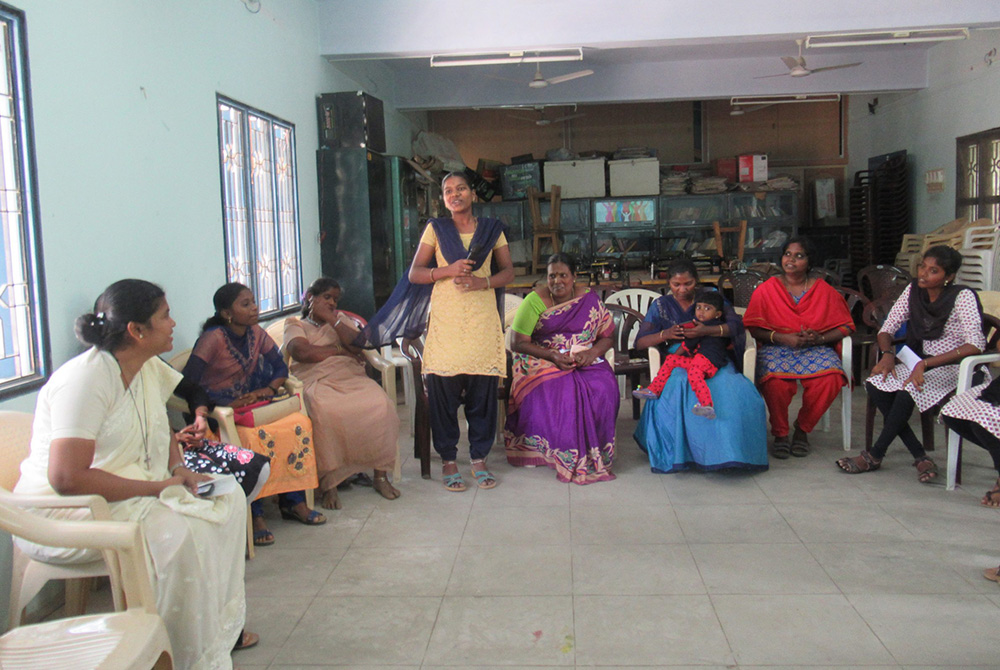
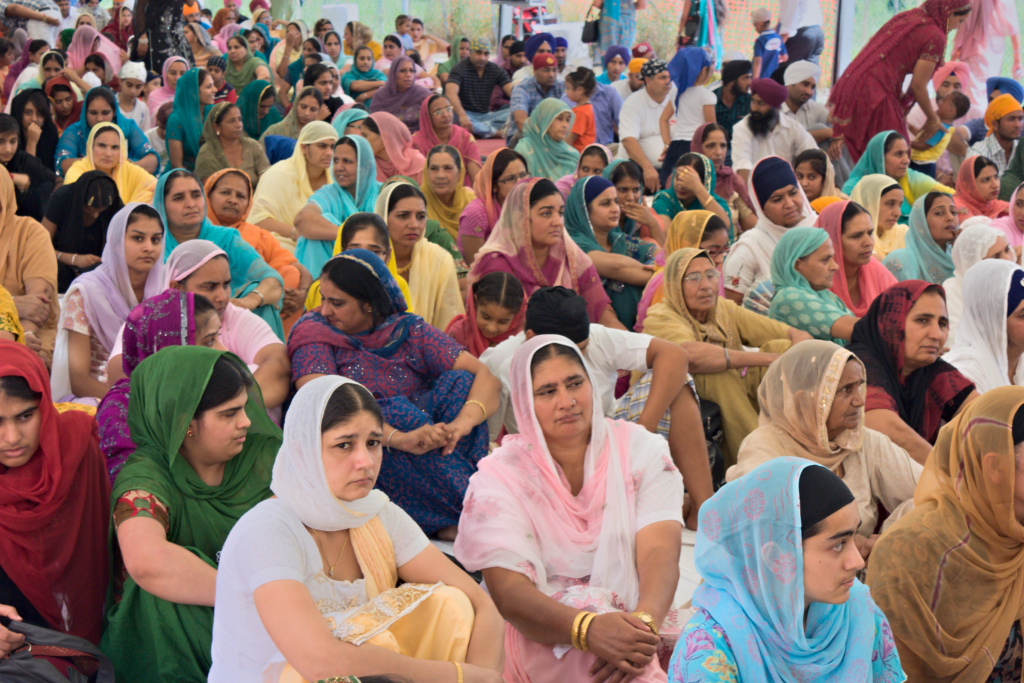
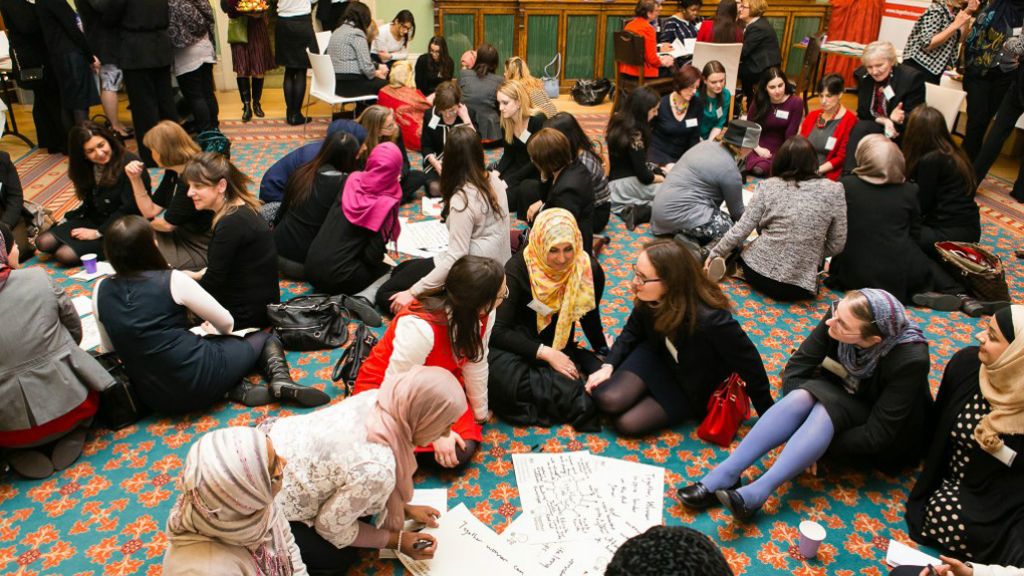
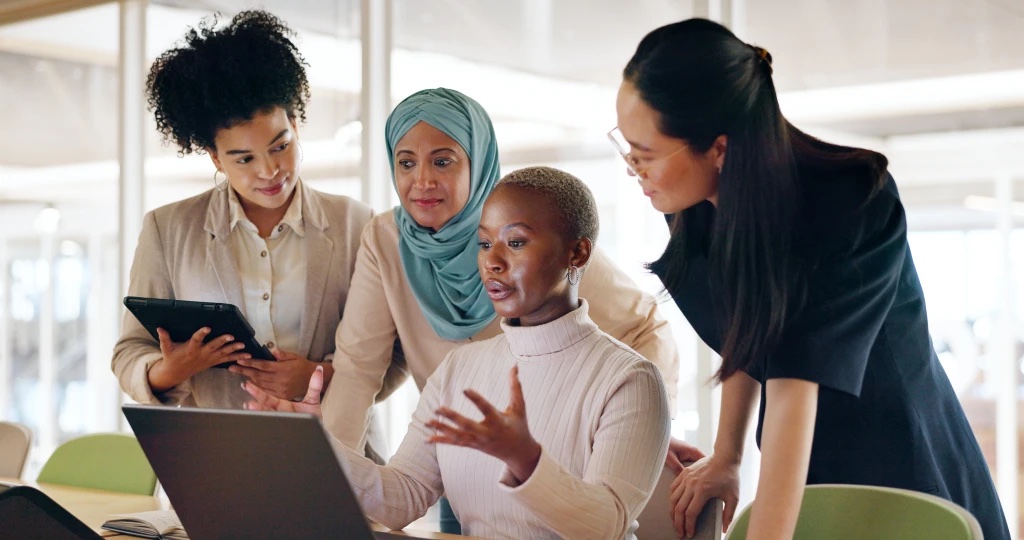
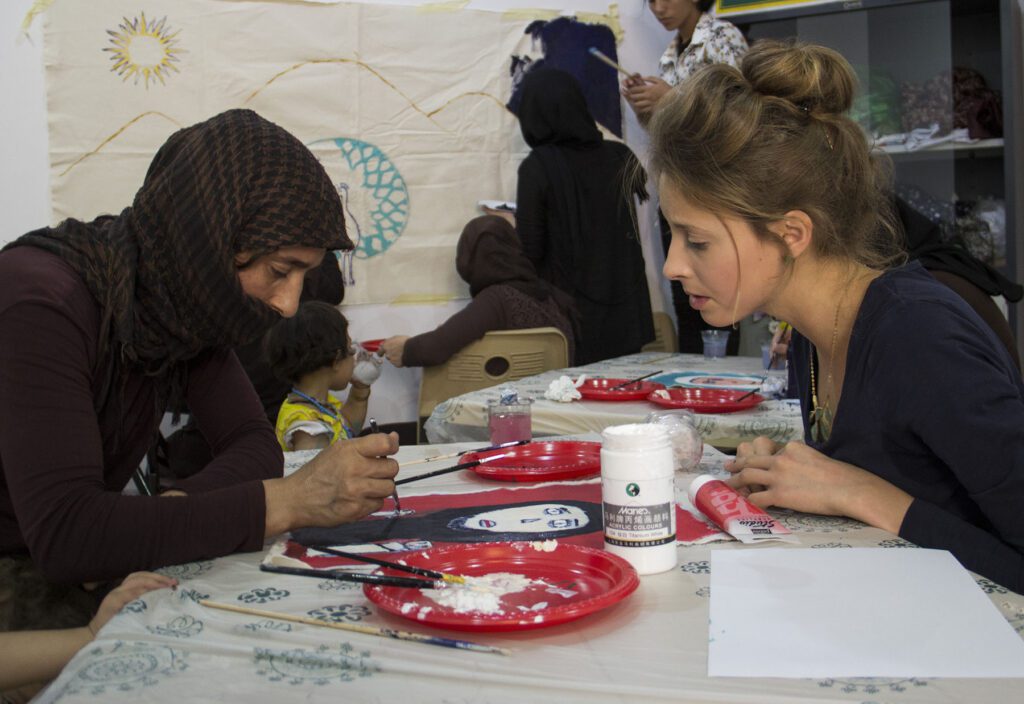
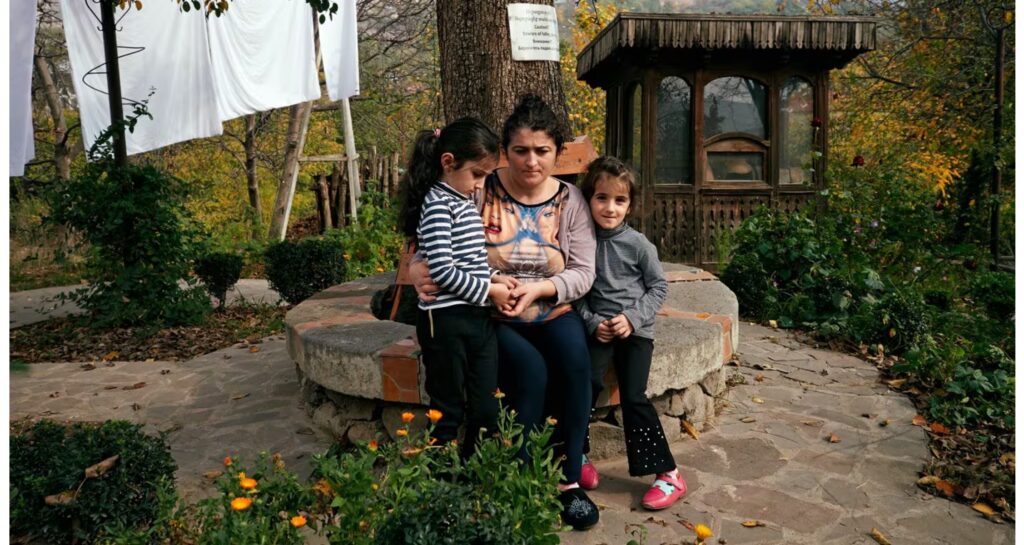
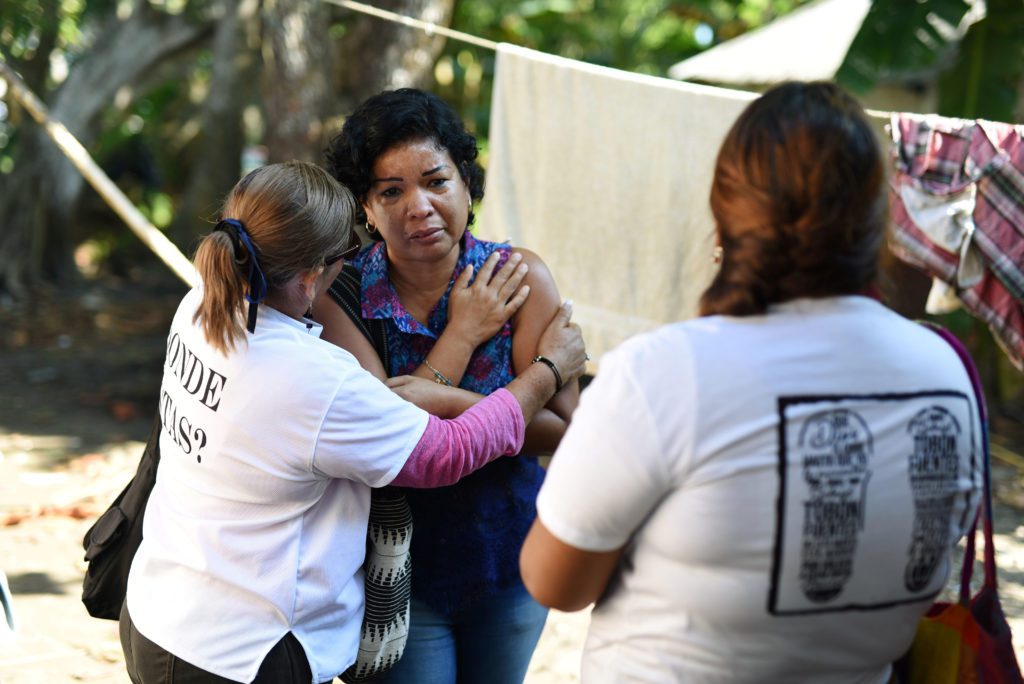
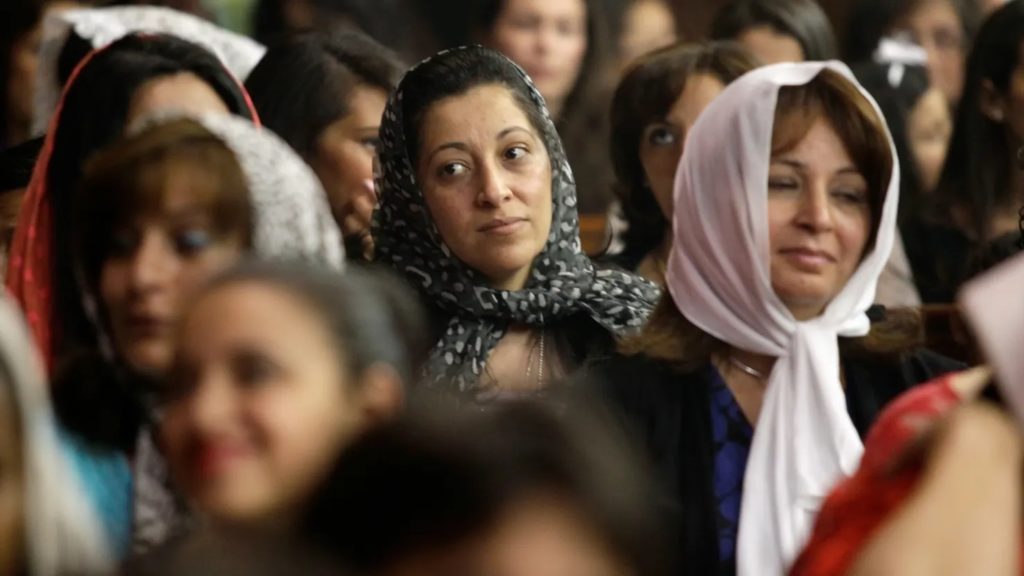
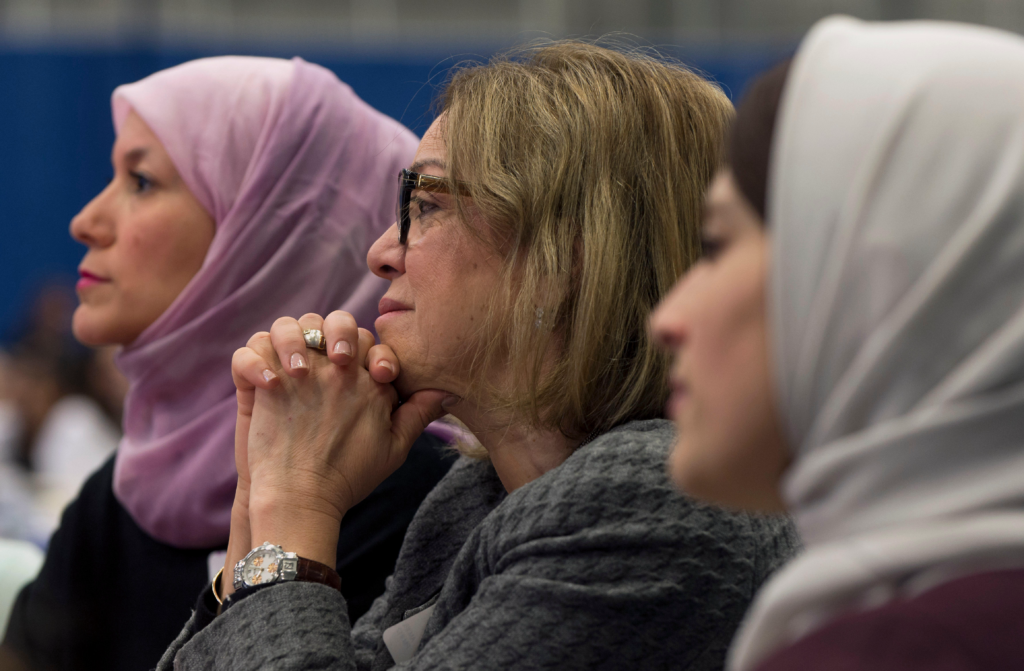
Let me walk you into a space, a safe space, where legally racialized, socially stigmatized, politically dehumanized Muslim and Jewish women break bread together. They share how exhausting it is to endure their teen’s eye-rolling at everything nowadays. They talk about a dress they like. They watch a movie together. They cry for loved ones back in their homelands. They plan mobilizations against all the -isms that discriminate against them and polarize them. I am describing a place where women unite, share, and care.
They are not always on the same page. On the contrary, they challenge one another on many issues. What is striking is not uniformity but acceptance. They agree to disagree. They embrace their differences.
But before entering this space, I might share some seemingly boring yet significant terms, terms we hear often and see everywhere. As an activist scholar and feminist researcher, my work sits at the intersection of gender, migration, religion, and political violence. I use feminist ethnography, which means I spend a great deal of time listening to people’s stories and taking their everyday lives seriously as sources of knowledge.
Across all my projects, both academic and grassroots, I work tooth and nail to challenge dominant academic and humanitarian narratives that portray women as passive victims. Instead, I highlight their strategies of resistance, care, and collective knowledge-making. More precisely, I focus on women’s agency, resilience, and the ways they actively negotiate power, care, and survival. I begin from the premise that knowledge is shaped by power, and that centering the epistemic agency of marginalized women fundamentally reshapes feminist research and praxis. By epistemic agency, I mean recognizing marginalized women not just as subjects of study or policy, but as producers of knowledge and experts of their own lived realities; and by feminist praxis, I mean turning that recognition into action, reshaping research, institutions, and movements so that women’s voices actively guide how justice is imagined and pursued. I approach justice as something negotiated within intersecting structures of gender, race, national capital, and institutions, rather than treating it as universal or settled.
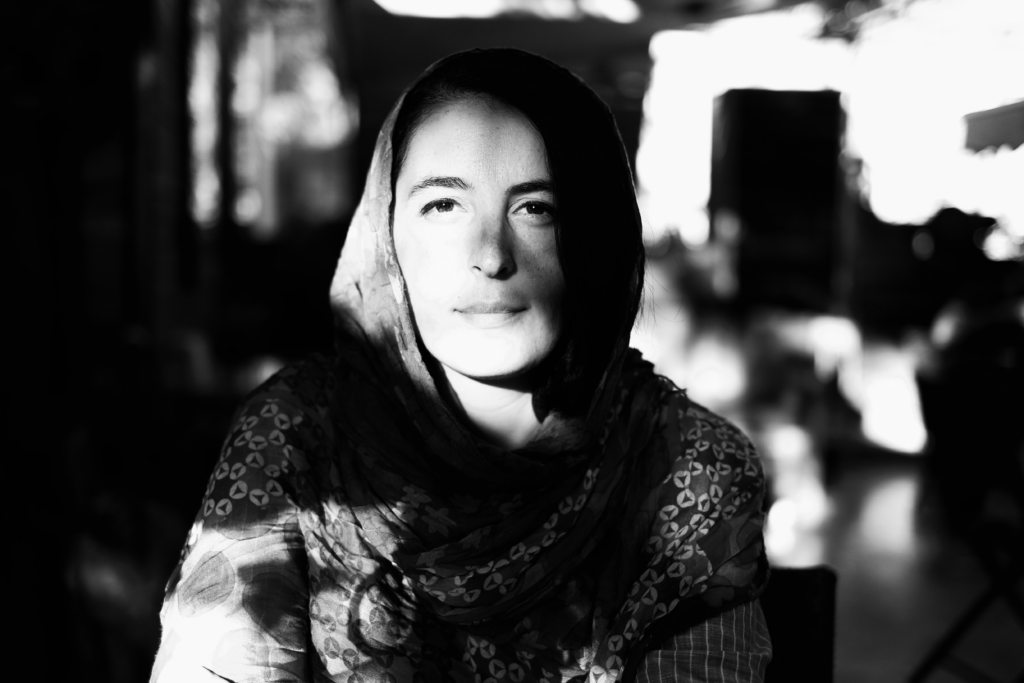
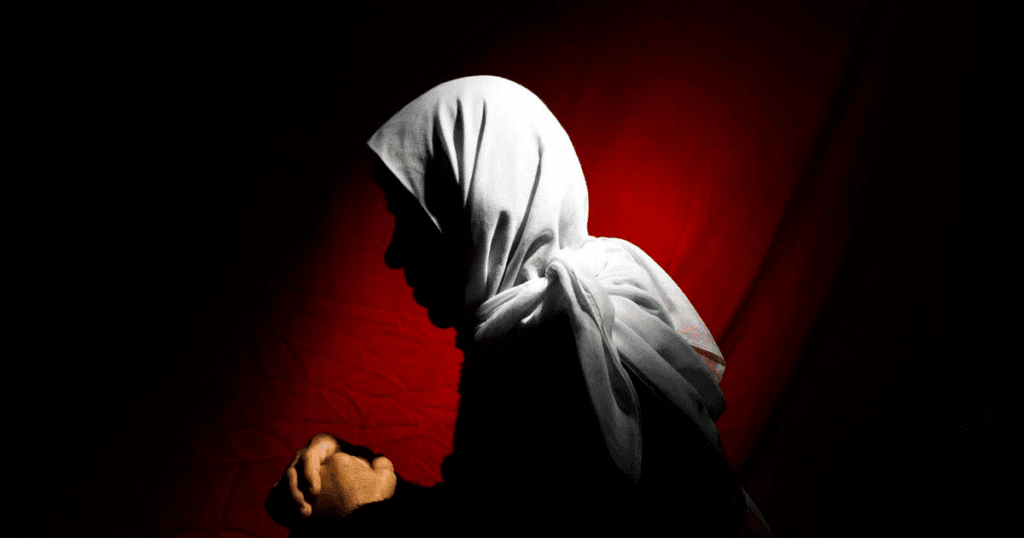
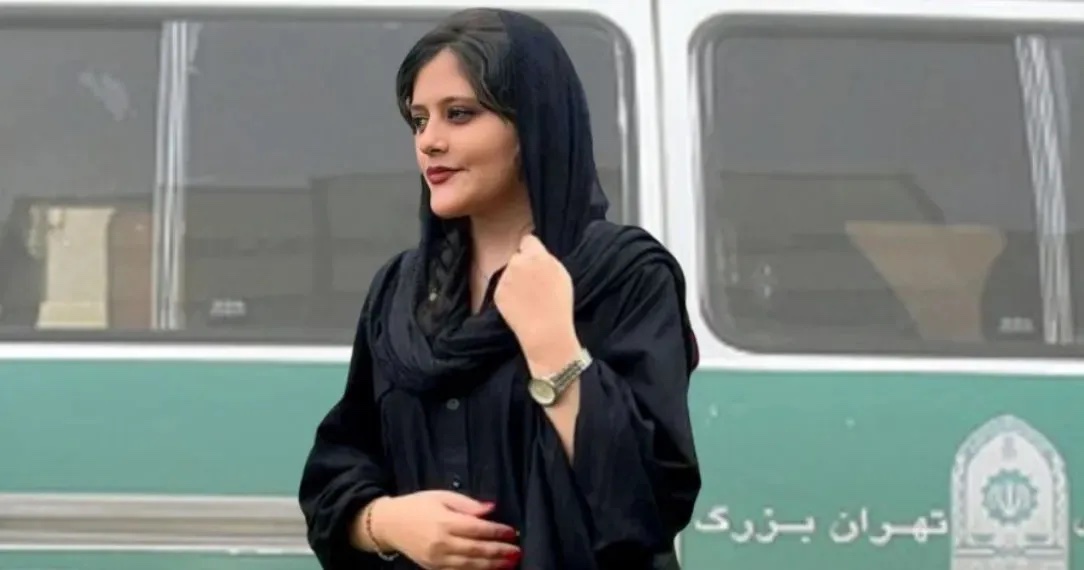
In my research, I approach racialization as the process through which people are assigned meaning not only based on skin color, but on religion, language, dress, accent, or perceived culture. It is how Muslim women, for example, become racialized through a hijab (headscarf) or a name, treated as foreign or suspect regardless of citizenship. Xenophobia works alongside this process, framing certain communities as perpetual outsiders who do not fully belong. But identities are not simply imposed; they are negotiated.
This is where transnational solidarity matters. It refers to alliances built across borders, faiths, and histories, like Muslim and Jewish women standing together against hate, without erasing their differences. Such solidarity resists the narrative that communities must compete for recognition. In that sense, I use the terms feminist agency and epistemic agency to describe how women actively shape their own identities and knowledge. Feminist agency is the everyday practice of resisting imposed roles, whether by reclaiming visibility, forming community, or challenging stereotypes. Epistemic agency goes further: it insists that marginalized women are not just subjects of research or policy debates, but producers of knowledge, experts of their own lived realities. Together, these concepts help us understand that identity is not fixed or given; it is continuously [re]constructed, [de]constructed, in response to power, place, and history.
Xenophobia, particularly Islamophobia and antisemitism, operate simultaneously and mutually intensify one another. Antisemitism and Islamophobia often are treated as separate forms of religious prejudice. Yet they are more accurately understood as racialized systems of exclusion that evolve across time and political contexts. Both transform religious belonging into civilizational threat, legitimizing social suspicion, institutional discrimination, and, at times, state violence.
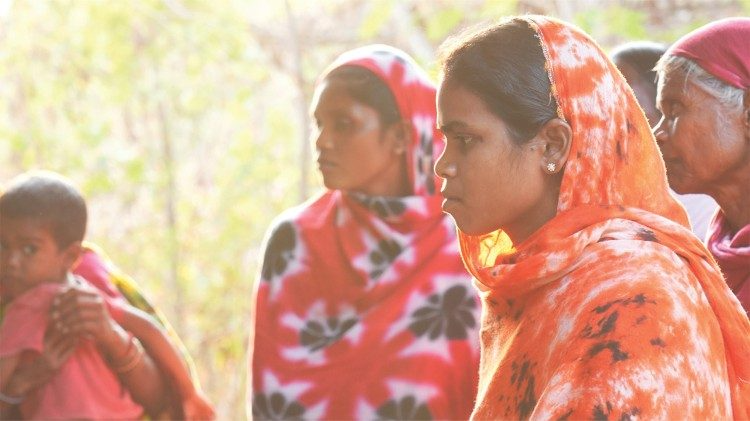
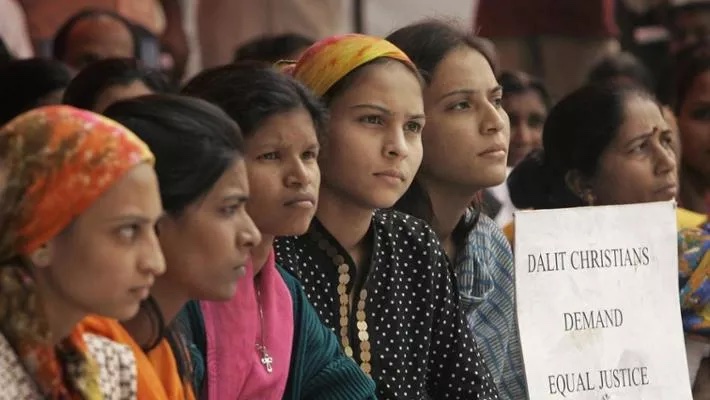
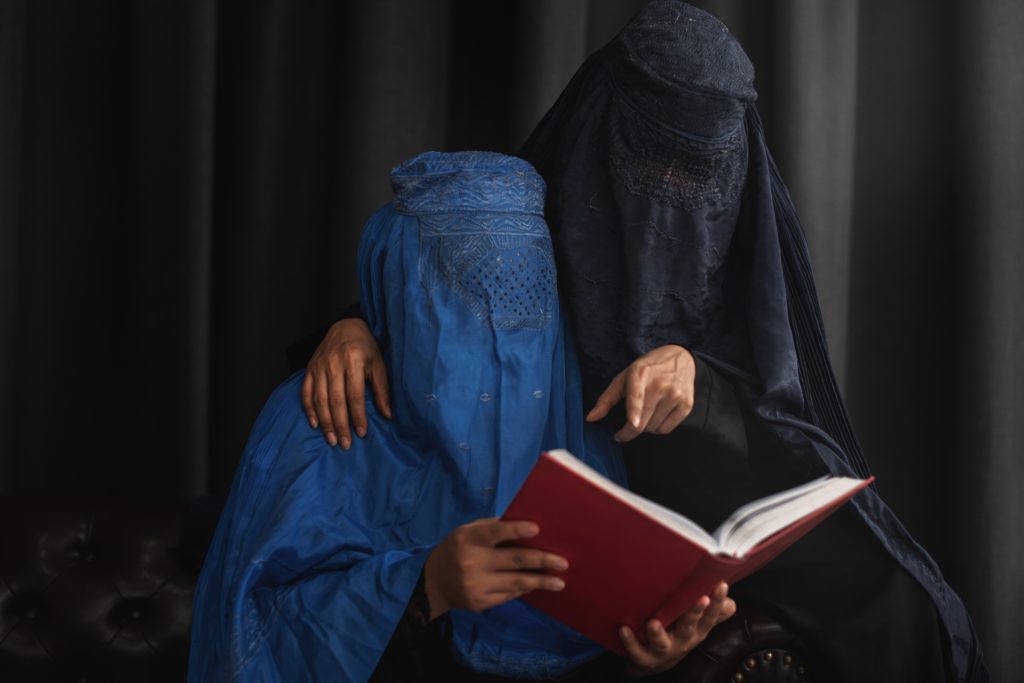
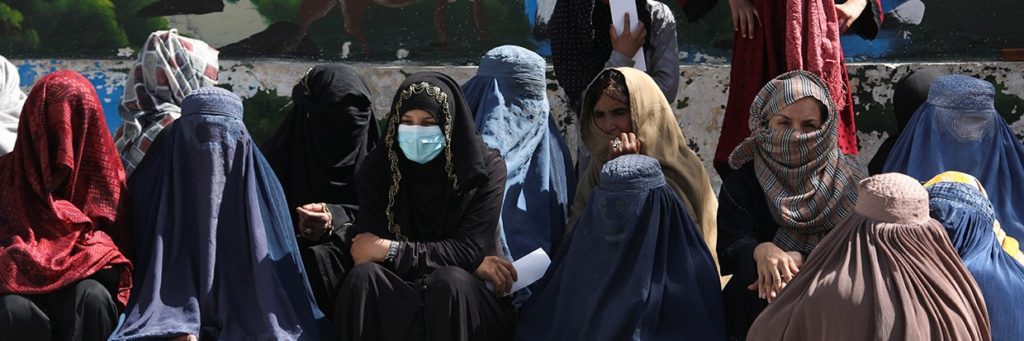
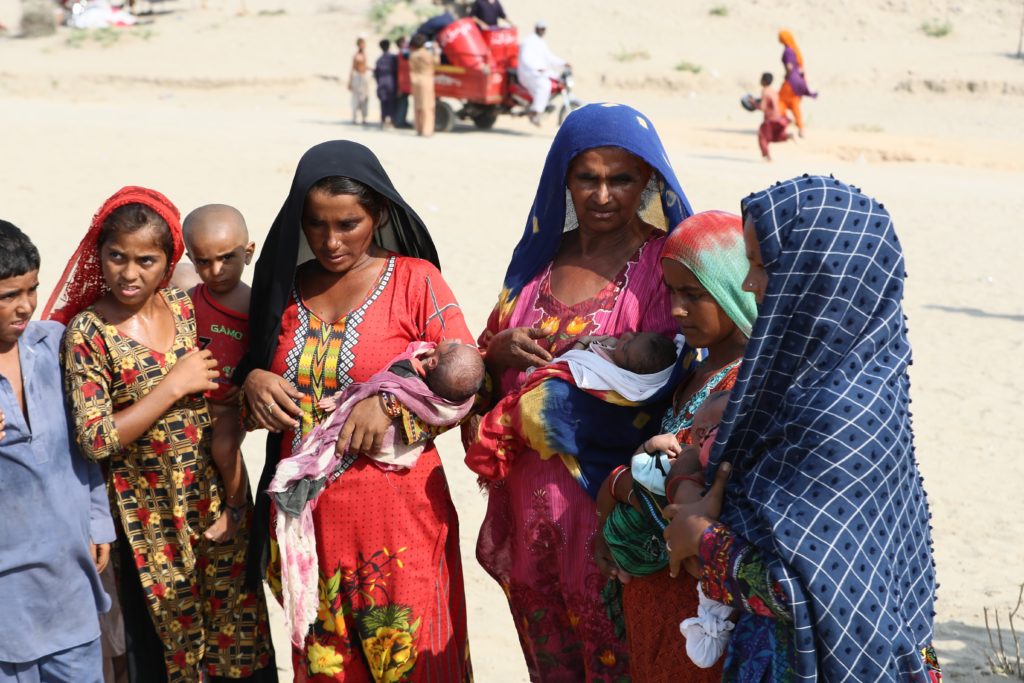
Too often, Muslim and Jewish women are reduced to headlines and symbols. Muslim women are cast as oppressed, submissive, or threatening; Jewish women are framed primarily through trauma, security, or geopolitical conflict.
These stereotypes flatten real lives into political talking points. They turn women’s bodies, whether marked by hijab, a Star of David, an accent, reproduction, or a last name, into shorthand for fear, suspicion, or ideological debate. This is how racialization works: it simplifies complex identities into rigid categories that serve larger political narratives. It ignores history, erases diversity within communities, and treats women as representatives of entire civilizations rather than as individuals with layered stories.
Yet within these formations, agency persists. [Re]identification/[de]identification disrupts imposed narratives and reclaims identity as dynamic, plural, and self-defined. Understanding this dialectic, between contextual racialization and reidentification as agency, deepens critical race and postcolonial analyses of religious racism.
In my research, Muslim and Jewish women are not passive recipients of imposed labels. Across communities, many respond with strategic agency, reclaiming their identities on their own terms and building unexpected solidarities. When Muslim and Jewish women stand together in vigils, teach-ins, community dialogues, strategic storytelling, or shared acts of mourning, they disrupt the story that they must exist in opposition. They refuse the pressure to compete over whose pain matters more. Instead, they name how Islamophobia and antisemitism operate differently yet feed off similar politics of fear. By telling their own stories, forming alliances across differences, and insisting on complexity, they create living counter-narratives. In a world that benefits from dividing them, solidarity between Muslim and Jewish women becomes a powerful act of resistance, proof that identity is not something imposed from above, but something collectively shaped, defended, and reimagined from within.
I speak from experience, not only from “armchair” research. I am a longtime member of the Sisterhood of Salaam and Shalom (SOSS). As you might guess from the name, SOSS was “created to build trust, respect, and relationships between Muslim and Jewish women of all ages. Together, we commit to standing up for one another, educating one another about our faith and cultural practices, engaging in social justice action, and working to end acts of hate against all human beings”.
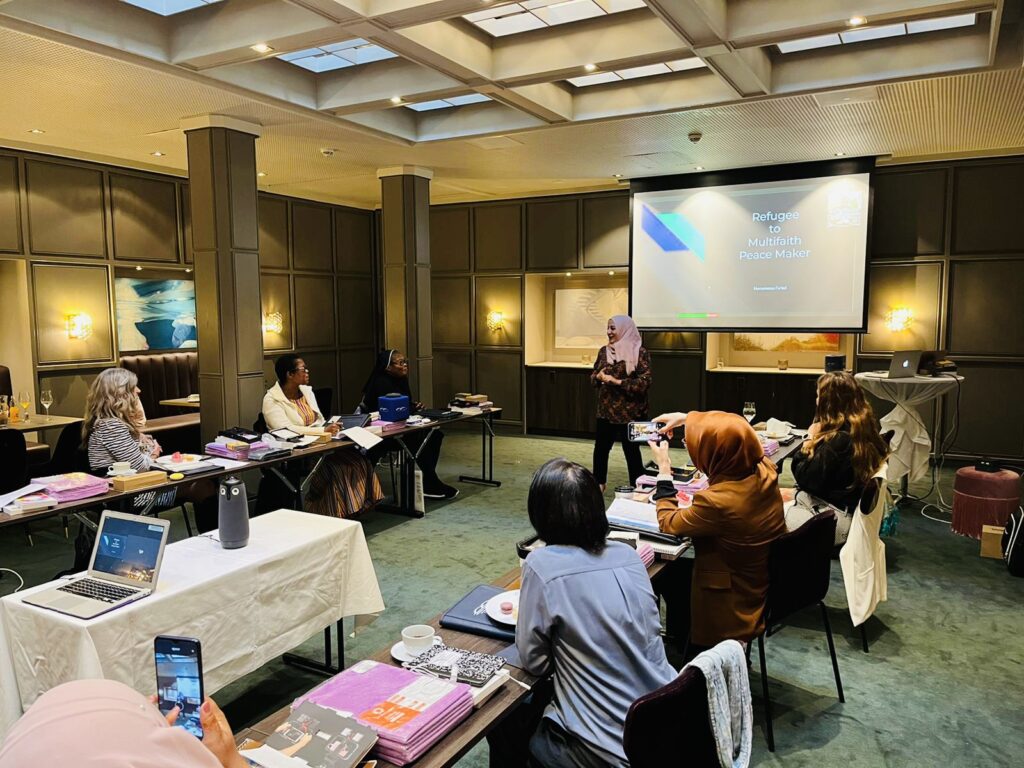
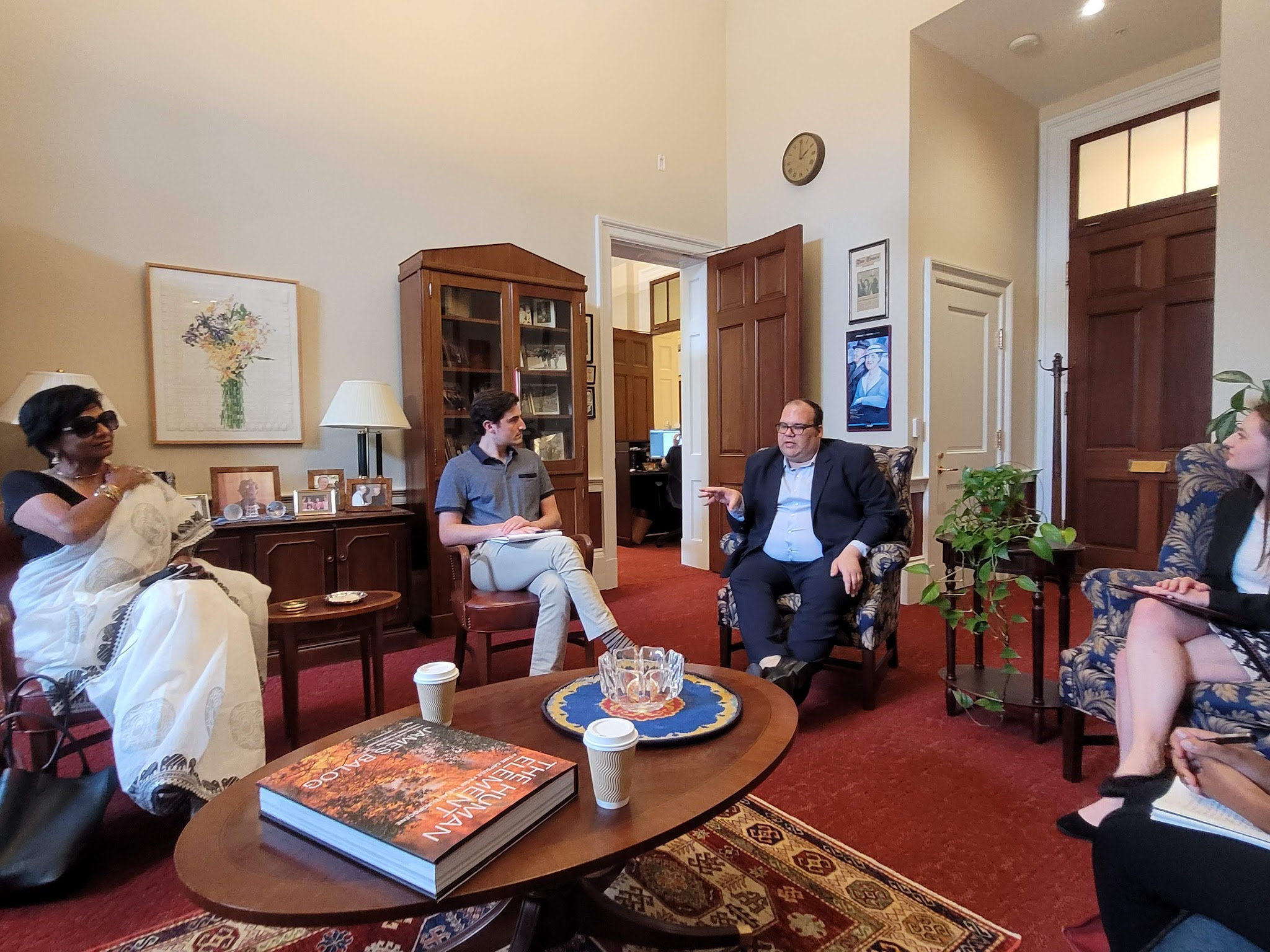
As a member of the Stony Brook chapter on Long Island, New York, I meet regularly with twenty remarkable women of Jewish and Muslim heritage. We discuss our sacred texts, faith traditions, daily lives, and current events. We celebrate holy days together, share iftars and Passover dinners, and talk about the complexities of being mothers, daughters, scholars, activists, and women in such a fractured world.
Feminist Counter-Archives as Epistemic Resistance
Against this backdrop, Muslim and Jewish women’s interfaith initiatives emerge as counter-archival practices. By counter-archives, I do not mean merely collections of documents, but embodied, relational, and narrative practices that record alternative accounts of belonging, solidarity, and resistance.[1]
The recent spike in antisemitism and Islamophobia reveals not only the persistence of racialized violence, but also the limits of how governments produce and use knowledge about inequality. By “governmental knowledge production,” I refer to the ways states collect data, define categories, shape official narratives, and determine what counts as discrimination. Governments often lack comprehensive anti-discrimination data and rely instead on reactive, security-focused frameworks that treat incidents as isolated threats rather than symptoms of structural racism. This narrow approach creates epistemic gaps—gaps in documentation, recognition, and narrative authority—leaving the deeper patterns of inequality underexamined and unaddressed. Muslim and Jewish women’s interfaith initiatives emerge within this vacuum as counter-archives: forms of documentation, memory-making, testimony, and embodied political presence that challenge dominant frameworks of racialization.
If antisemitism and Islamophobia are contextual and adaptive, anti-racist praxis must be equally dynamic. Practical interventions—holiday awareness, institutional collaboration, safe spaces, critical media literacy, are not merely accommodations. They are counter-racializing practices. They disrupt the assumption that religious minorities are perpetual outsiders and challenge the normalization of political dominance.[2]
Ultimately, anti-racist practice requires more than tolerance; it demands structural awareness, epistemic humility, and sustained commitment to dismantling the mechanisms that transform difference into threat.
Muslim–Jewish interfaith feminist collaborations are more than symbolic gestures of coexistence. They function as counter-archives that disrupt dominant racialized and securitized knowledge regimes. In contexts where Muslim and Jewish identities are positioned within antagonistic geopolitical narratives, these interfaith feminist practices create alternative epistemic spaces that are also emotional, psychological and spiritual. These spaces resist contextual racialization by re-centering lived experience, relational accountability, and shared vulnerability.[3] Counter-archives are not passive repositories of marginalized memory. They are active, embodied, and relational practices of knowledge production. They emerge through joint statements, community vigils, collaborative educational workshops, digital storytelling platforms, shared commemorations of violence, and everyday solidarities. Unlike state or media archives that frame Muslim and Jewish communities primarily through crisis, conflict, or victimhood, these feminist counter-archives foreground multiplicity, nuance, and coexistence.
From Solidarity to Structural Imagination
Interfaith feminist counter-archives do not merely respond to harm; they imagine alternative futures. By recording practices of coexistence and collaborative resistance, they generate what can be called an archive of possibility. This archive challenges the inevitability of antagonism embedded in contextual racialization.
Importantly, these practices remain attentive to asymmetries of power. Decolonial feminist praxis does not flatten difference; it acknowledges uneven histories of antisemitism, Islamophobia, colonialism, and state violence. Solidarity emerges not through erasure, but through critical reflexivity and mutual accountability.
Dr. Hafza Girdap is the Assistant Professor of Gender, Identity, Racialization, Immigration / Hofstra University Spokesperson & Program Director / Advocates of Silenced Turkey
[1] Cesari, J. (2021). The Muslim Stranger: The Combined Effect of Xenophobia and Islamophobia. Social Research: An International Quarterly 88(4), 895-922.
[2] Sami, W.Y., Lambert, A.H. (2022). Antisemitism and Islamophobia: Old and Dynamic Racisms. In: Johnson, K.F., Sparkman-Key, N.M., Meca, A., Tarver, S.Z. (eds) Developing Anti-Racist Practices in the Helping Professions: Inclusive Theory, Pedagogy, and Application. Springer.
[3] Haqpana, S., & Tsouroufli, M. (2023). ‘Powerless, poor and needy?’: Reproducing colonial discourses of gender and Muslim women through educational interventions by I-NGOs in Afghanistan. Women’s Studies International Forum, 98, 102714.